


How to Create a Productive Work Environment
How to Create a Productive Work Environment: A productive work environment is the foundation of a successful business. It boosts efficiency, morale, and overall job satisfaction. When employees feel comfortable, motivated, and supported in their workspace, their work output is naturally enhanced. As a business owner, manager, or team leader, understanding the key elements that contribute to a productive work environment can help foster an atmosphere where employees thrive.
This article will explore practical steps and strategies you can implement to create a productive work environment that drives success for your business.
1. Focus on Ergonomics and Comfort

The physical environment of the workplace directly impacts productivity. If employees are uncomfortable, whether due to poor seating, inadequate lighting, or a lack of space, it can cause fatigue, discomfort, and even injury, ultimately reducing their efficiency.
Ergonomic Furniture and Layout
Investing in ergonomic office furniture is one of the simplest ways to create a more comfortable work environment. Adjustable chairs, standing desks, and properly positioned monitors reduce the risk of musculoskeletal problems and encourage better posture. Comfortable seating with lumbar support helps employees stay focused and energized throughout the day.
Clear and Functional Layout
An office layout should be intuitive and functional. For example, provide ample space for each employee to move around comfortably without clutter. Keep pathways clear and avoid overcrowding workstations. Ensure that employees have easy access to necessary tools and resources. A well-organized and spacious office enables employees to stay focused and feel more productive.
2. Maximize Natural Light
Natural light is a significant factor in creating a productive and healthy workspace. Studies have shown that exposure to natural light boosts mood, increases energy levels, and even improves concentration.
Use Windows Wisely
Position desks near windows if possible. Avoid placing workstations in spaces where employees are deprived of natural light. If you have limited windows, consider using mirrors to reflect light throughout the room, or adding skylights to allow more natural light to fill the space.
Light Fixtures and Ambience
In addition to natural light, invest in high-quality artificial lighting. Soft, warm light bulbs are more conducive to creating a relaxing, focused atmosphere than harsh, bright lighting. Task lighting, such as desk lamps, can help prevent eye strain and keep employees comfortable.
3. Design for Collaboration and Communication
An effective work environment encourages collaboration and clear communication. When employees have the tools and space to communicate easily, productivity is enhanced.
Open Spaces and Breakout Areas
Incorporate open spaces and breakout areas where employees can collaborate and discuss ideas. This promotes teamwork and fosters creativity. Open floor plans can encourage casual interactions that lead to innovative problem-solving, while quiet areas allow for focused, uninterrupted work.
Meeting Rooms and Technology
Ensure you have designated meeting spaces equipped with the latest communication tools, such as video conferencing equipment, whiteboards, and projectors. This makes it easier for employees to collaborate on projects, hold brainstorming sessions, and have productive meetings. Technology should be integrated seamlessly into the office to streamline communication and enhance teamwork.
4. Incorporate Greenery and Nature
Incorporating plants and nature into your workspace can significantly improve productivity and well-being. A study by the University of Queensland found that workers in offices with plants were 15% more productive than those in environments without greenery.
Benefits of Biophilic Design
Plants not only improve air quality but also have a calming effect on employees. They reduce stress and increase focus. Incorporating biophilic design elements, such as indoor plants, living green walls, or even outdoor garden spaces, can transform a sterile office into a vibrant, healthy environment.
Easy-to-Maintain Options
Choose low-maintenance plants that don’t require frequent attention. Snake plants, pothos, and succulents are all easy to care for and can thrive in office environments. Consider placing them on desks, windowsills, or in shared spaces to bring life to the office.
5. Offer Flexibility in Work Hours and Space
In today’s modern work culture, flexibility is crucial to maintaining a productive work environment. Allowing employees to control their schedules and where they work can reduce stress and improve work-life balance, which ultimately enhances productivity.
Flexible Work Hours
Consider implementing flexible work hours, especially for businesses that operate remotely or on hybrid models. Offering employees the ability to choose their hours can reduce stress and allow them to work when they’re most productive. This is particularly important for startups or companies with creative teams, as it allows employees to work during their peak creative hours.
Remote Work Options
Many businesses are moving towards remote or hybrid work models. Providing employees with the option to work from home, when appropriate, can boost morale and productivity. Tools like Slack, Zoom, and Asana can ensure seamless communication and collaboration, even when employees are working from different locations.
6. Promote a Healthy Work-Life Balance
A productive work environment is not solely about physical space; it’s also about creating an environment that values employees’ mental and emotional well-being. When employees feel that their well-being is supported, they’re more likely to be engaged and focused at work.
Encourage Breaks and Time Off
Encourage employees to take regular breaks to recharge. Short breaks throughout the day have been shown to improve focus, creativity, and energy levels. Additionally, providing ample vacation days and paid time off helps prevent burnout and promotes long-term productivity.
Wellness Programs
Implement wellness programs or initiatives that focus on both physical and mental health. Consider offering gym memberships, yoga classes, or meditation rooms in the office. Encouraging healthy habits such as stretching, hydration, and mindful breathing can increase productivity by reducing stress and promoting overall well-being.
7. Foster a Positive Company Culture
A positive, supportive company culture can make all the difference in creating a productive work environment. When employees feel valued, they’re more motivated and engaged in their work.
Recognition and Reward Programs
Implement employee recognition programs that celebrate accomplishments, both big and small. Whether it’s a simple shout-out during meetings or a formal awards ceremony, showing appreciation for employees’ hard work fosters motivation and positivity. Consider offering incentives like bonuses, extra time off, or professional development opportunities as a way to reward employees for their contributions.
Encourage Team Building
Fostering a positive work environment involves building strong relationships among team members. Organize team-building activities, such as workshops, retreats, or social gatherings, that encourage collaboration and help employees form deeper connections with one another. Strong team dynamics lead to better communication and more effective collaboration.
8. Invest in Employee Development
Investing in your employees’ growth and development not only benefits them but also benefits your business. When employees feel they are learning and growing, they are more likely to remain engaged and contribute meaningfully to the organization’s success.
Continuous Learning Opportunities
Provide opportunities for professional development through workshops, training programs, or industry conferences. Offering employees the chance to learn new skills not only boosts their confidence but also enhances their ability to contribute to the company’s goals.
Mentorship Programs
Pairing employees with mentors or offering coaching opportunities can help foster personal growth and provide guidance in their careers. Encouraging a culture of learning and mentorship can create a more motivated and productive workforce.
9. Keep the Office Organized
A cluttered, disorganized office can lead to distraction, confusion, and decreased productivity. Maintaining an organized workspace is key to ensuring that employees can find what they need quickly and focus on their tasks.
Implement Storage Solutions
Provide ample storage space for files, documents, and office supplies to keep desks clutter-free. Shelving, filing cabinets, and even digital storage solutions can help maintain a tidy office. Clear, designated spaces for everything ensures that employees spend less time searching for materials and more time focusing on work.
Digital Organization Tools
In addition to physical organization, encourage employees to use digital organization tools like project management software, shared calendars, and document-sharing platforms. These tools can help employees stay on top of tasks and deadlines, reducing the risk of mistakes or missed opportunities.
Conclusion
Creating a productive work environment requires a thoughtful approach that prioritizes comfort, flexibility, collaboration, and employee well-being. By focusing on ergonomics, lighting, organizational systems, and fostering a positive company culture, you can build a workspace that not only enhances productivity but also supports your employees’ growth and happiness.
Remember, a productive work environment is not one-size-fits-all. It’s essential to continually assess your office space, gather feedback from employees, and make adjustments based on your team’s evolving needs. With the right balance of thoughtful design, technology integration, and a focus on well-being, you can create a work environment where productivity thrives, and employees feel engaged, valued, and inspired to do their best work.
Read More:-


Office Work Station.
Ever thought your desk setup might be hurting your focus and health? Many of us spend hours at our desks without noticing.
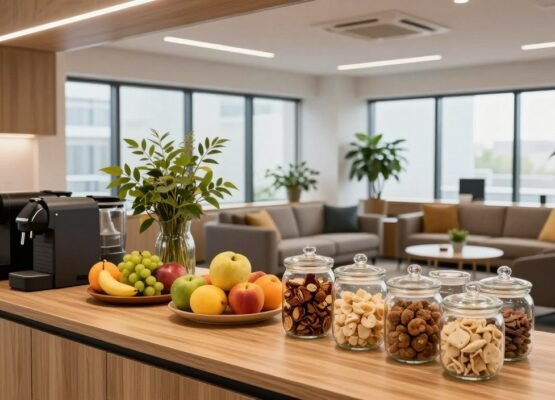
Office Pantry Design:.
What if the fastest way to improve our workday isn’t another app or policy—but a smarter place to make tea, grab water,.