

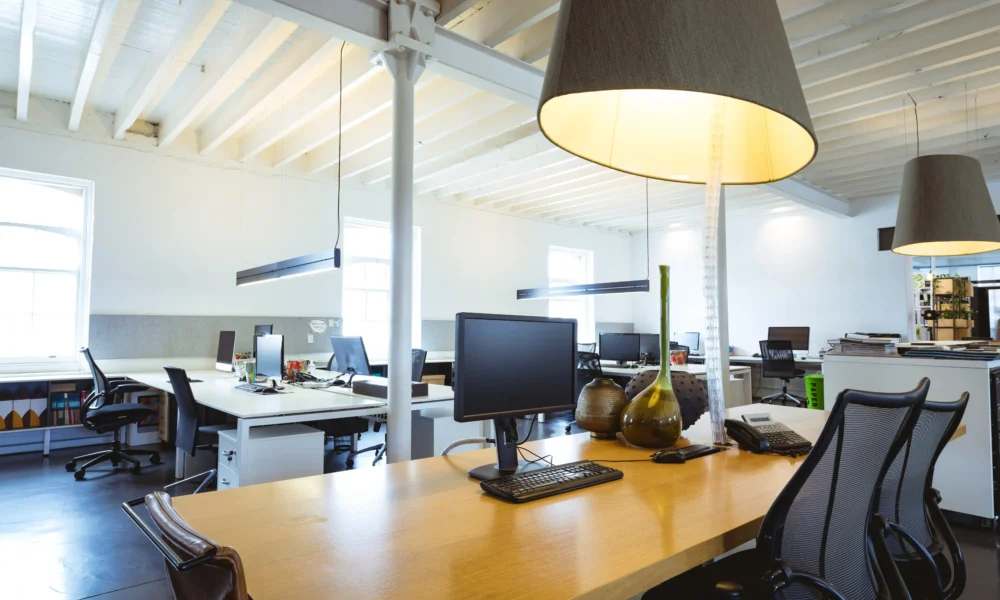
Office Interior Design for Law Firms: Creating a Professional and Functional Space
Office Interior Design for Law Firms: The interior design of a law firm’s office plays a pivotal role in shaping the firm’s image, fostering a professional atmosphere, and enhancing the overall client experience. When clients walk into a law office, they expect to see a space that communicates authority, trust, and reliability. Similarly, employees need a work environment that promotes productivity, efficiency, and collaboration. This article explores how law firms can create a balanced and effective office interior that serves both clients and staff while reinforcing the firm’s values and brand.
1. The Importance of First Impressions in Law Firm Offices
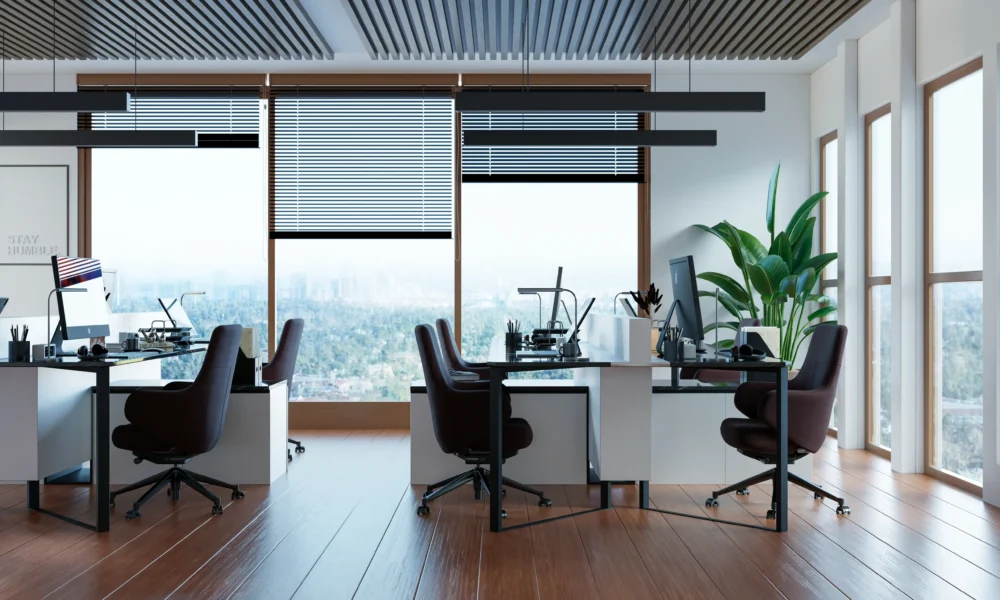
A law firm’s office interior is more than just a place where work happens; it’s an essential tool for creating a positive first impression with clients. When clients step into a law office, they are looking for professionalism, trustworthiness, and reliability. The space should immediately communicate that the firm has the expertise to handle their legal matters.
Key Design Considerations:
- Reception Area: The reception is the first point of contact with clients. It should be inviting, but also exude professionalism. A sleek reception desk, comfortable seating, and tasteful décor such as framed diplomas, certifications, or a subtle logo can set the tone.
- Signage: Clear, elegant signage for the reception area and individual rooms helps clients feel confident in the firm’s organization and efficiency. A high-quality, modern sign with the firm’s name and logo creates a polished, professional look.
2. Designing for Privacy and Confidentiality
Confidentiality is a cornerstone of legal work. Law firm offices must be designed with privacy in mind to ensure that sensitive conversations, documents, and meetings remain secure. A well-thought-out office design helps maintain confidentiality without sacrificing comfort or professionalism.
Key Design Features for Privacy:
- Private Offices for Attorneys: While open-plan offices can enhance communication, law firms typically require private spaces for attorneys to meet with clients or focus on sensitive legal work. These offices should be soundproofed to prevent eavesdropping, and equipped with high-quality furniture that supports both client meetings and independent work.
- Meeting Rooms: Separate meeting rooms or conference spaces allow for secure, private discussions. Use heavy doors, high walls, and soundproofing materials such as acoustic panels to keep noise from carrying.
- File Storage and Security: Secure storage options are essential for maintaining confidentiality. Built-in filing cabinets, fireproof safes, and even digital storage solutions for sensitive case files help prevent unauthorized access.
3. Emphasizing Professionalism with Materials and Colors
A law firm’s office should exude professionalism and trust. The materials and colors you choose can significantly influence the atmosphere of the office, helping to reinforce the firm’s reputation as a competent and reliable legal service provider.
Recommended Materials for Law Firms:
- Wood: Wood is a classic material that adds warmth and a sense of permanence to an office. Walnut, mahogany, or oak finishes are sophisticated choices that also provide a sense of luxury and stability.
- Leather: Leather furniture, such as chairs or sofas, conveys sophistication and comfort. Leather is often associated with authority and can provide a polished, refined aesthetic.
- Metal Accents: Subtle metal accents, such as brushed stainless steel or polished chrome, add a modern touch to traditional design elements without overwhelming the space.
Color Palette:
- Neutral Tones: Use neutral colors like deep grays, navy blues, browns, and soft whites to create a professional, clean look. These colors are timeless, avoid distractions, and help maintain focus in the workplace.
- Accents: Incorporate your law firm’s brand colors as accents through art, furniture, or small décor elements. A pop of deep red, gold, or dark green can add richness and character to the space while staying grounded in professionalism.
- Subtle Lighting: Proper lighting plays a key role in setting the tone. Opt for adjustable, warm light that creates a welcoming atmosphere without being harsh. Natural lighting through large windows or strategically placed lamps can make the office feel more inviting.
4. Creating Functional and Collaborative Spaces
While privacy and professionalism are crucial, it’s also essential to incorporate spaces that promote collaboration among attorneys, support staff, and clients. A balanced approach to layout can encourage teamwork while maintaining confidentiality.
Key Features for Collaboration:
- Open Meeting Areas: Open spaces where small teams can gather for brainstorming sessions or quick check-ins encourage communication and the exchange of ideas. Use comfortable furniture, such as modular seating or round tables, that invites discussion.
- Break Rooms: A designated area for employees to take breaks or have informal meetings is vital for maintaining a positive workplace culture. Break rooms can also serve as spaces for clients to relax, providing a more comfortable environment than formal waiting areas.
- Flexible Spaces: Adaptable furniture, such as movable desks and chairs, can allow employees to reconfigure workspaces depending on needs. This flexibility is valuable when the office is hosting a large case, collaborative project, or client meeting.
5. Incorporating Technology into the Design
Modern law firms depend on technology to manage cases, communicate with clients, and streamline daily operations. Office designs must incorporate technology seamlessly to improve workflow and create an efficient, future-proof workspace.
Tech Integration Tips:
- Cable Management: With many devices in use, cable management is essential. Invest in desks and tables with built-in cable routing and hideaways to keep wires organized and out of sight.
- Video Conferencing Equipment: In today’s digital age, many law firms conduct remote meetings with clients or other attorneys. Design meeting rooms with built-in video conferencing setups, including high-definition cameras, microphones, and speakers, for seamless virtual collaboration.
- Smart Office Technology: Integrate smart technology that helps control lighting, temperature, and security. Automated systems can be managed from smartphones or tablets, offering ease of use and efficiency.
- Digital Storage Solutions: A law firm’s case management system can be streamlined with digital filing systems and cloud-based document storage. This reduces paper waste and makes information retrieval faster and more secure.
6. Creating a Comfortable Waiting Area
The waiting area is the first space that clients and visitors experience when entering your law firm. It’s important to make them feel comfortable and confident in your services while maintaining a professional atmosphere.
Key Design Features for the Waiting Area:
- Comfortable Seating: Invest in high-quality seating that offers both comfort and durability. Choose elegant chairs or sofas that match the firm’s style but ensure they are inviting and cozy for clients who may need to wait for long periods.
- Informative but Subtle Décor: Display subtle branding elements such as firm logos, awards, or certifications. These elements reassure clients that they are in good hands without feeling overbearing.
- Reading Materials: Provide magazines or relevant literature that clients can read while waiting. This can include industry magazines, legal resources, or even local news, helping clients feel more relaxed and informed.
- Ambiance: Use soft lighting, calming colors, and art that reflects your firm’s identity. Incorporating plants or artwork can help soften the space and make it feel more welcoming.
7. Designing for Employee Productivity and Well-Being
The design of your office should also focus on the well-being of your employees. A comfortable, organized, and aesthetically pleasing environment can boost productivity and reduce stress. Providing employees with spaces for relaxation and privacy, in addition to their workstations, can help improve overall satisfaction.
Key Features for Employee Productivity:
- Quiet Zones: In addition to individual offices, consider creating quiet spaces where employees can work without interruptions. These areas should be free of distractions, allowing for focused work on case files, legal research, or client communications.
- Ergonomic Workstations: As with client spaces, ergonomic furniture is essential for employee comfort. Adjustable chairs and desks, along with adequate lighting, will improve posture and reduce physical strain.
- Relaxation Spaces: Break rooms or dedicated areas for relaxation can help employees recharge. These spaces should have comfortable seating and calming décor to encourage employees to take mental breaks during busy days.
Conclusion
Office interior design for law firms is about balancing professionalism with functionality while ensuring that both clients and employees feel comfortable and supported. By integrating privacy, sophisticated materials, and modern technology into your office design, you create a space that exudes authority and professionalism while fostering a collaborative, productive work environment. From private meeting rooms to comfortable waiting areas, every design choice you make should reinforce the values of your law firm and enhance the client experience.
With the right balance of elegance, comfort, and practicality, your law firm’s office will not only serve as a place to do business but also as a symbol of your commitment to excellence and client satisfaction.
Read More:-
Office Interior Design for Businesses
How to Create a Productive Work Environment
Designing Offices for Startups
Office Interior Design for Businesses
Social Links:-

Office Interior Design.
In today’s fast-paced world, the right office interior design can make or break a company’s productivity, culture, and brand identity. Whether you're.
Office Cabin Partition.
The right office cabin partition design can dramatically transform your workspace, creating the perfect balance between privacy and collaboration. Modern office partitions.