

How to Create a Flexible Workspace

How to Create a Flexible Workspace: The traditional 9-to-5 office model, characterized by assigned cubicles and rigid schedules, is rapidly becoming a relic of the past. Companies globally are realizing that where and when work happens is less important than the quality of the work produced. This shift has given rise to the flexible workspace—a dynamic environment designed to support employees regardless of their location or working style.
A flexible workspace is more than just a liberal work-from-home policy or an office with bean bag chairs. It is a strategic ecosystem that combines physical design, digital technology, and organizational culture to give employees autonomy. It recognizes that different tasks require different environments. Sometimes, deep focus requires the silence of a home office; other times, creative collaboration demands a whiteboard and a shared physical space.
By adopting this approach, businesses aren’t just keeping up with trends; they are actively building resilience. A flexible model allows companies to scale up or down easily, attract talent from a wider geographic pool, and weather disruptions that might halt a traditional office. This guide will walk you through the essential steps to building a workspace that is as agile as your team needs to be.
The Real ROI of Going Flexible
Transitioning to a flexible model requires investment and planning, but the return on investment is often substantial. The benefits extend beyond simple convenience, impacting the financial bottom line and the human capital of an organization.
Improved Work-Life Balance and Retention
The fight for top talent is competitive. Flexibility is often cited as one of the top perks job seekers look for, sometimes ranking higher than salary. When employees have control over their schedules—allowing them to pick up kids from school or work during their most productive hours—burnout rates decrease. A happier workforce is a loyal workforce, leading to significantly higher retention rates.
Smart Cost Savings
Real estate is typically the second-largest expense for any business. In a traditional model, you pay for a desk for every employee, even if they are traveling, sick, or in meetings. Flexible workspaces often utilize “hot desking” or hybrid schedules, meaning you might only need desks for 60% or 70% of your staff at any given time. This allows companies to downsize their footprint or reinvest that capital into better technology or employee wellbeing.
Surging Productivity
The idea that “if I can’t see them, they aren’t working” has been largely disproven. Without the distractions of a busy open-plan office or the stress of a long commute, many employees report higher efficiency. Flexibility allows staff to work during their peak cognitive hours, rather than forcing productivity into a pre-set time block.
The Three Pillars: Tech, Design, and Policy
Creating a successful flexible workspace isn’t about buying laptops and hoping for the best. It requires a holistic approach that balances three key elements:
- Technology: The digital infrastructure that connects people.
- Design: The physical layout that supports different work modes.
- Policy: The rules and cultural norms that govern how work gets done.
If any one of these pillars is weak, the entire system can collapse. For instance, great technology with a rigid policy creates frustration, while a beautiful office without the right digital tools renders the physical space useless.
Essential Tools and Technologies
To decouple work from a specific location, your technology stack must be robust and cloud-first. The goal is to ensure the digital experience is identical whether an employee is at headquarters or a coffee shop.
- Cloud-Based Collaboration: Platforms like Microsoft 365 or Google Workspace are non-negotiable. They allow real-time co-authoring of documents, ensuring version control issues don’t slow down the team.
- Asynchronous Communication: Tools like Slack, Microsoft Teams, or Twist are vital. However, the key is using them correctly—shifting from “instant response” expectations to asynchronous workflows where people respond when they are available.
- Project Management: Without a physical manager looking over a shoulder, visibility into workflow is essential. Tools like Asana, Trello, or Jira provide a central source of truth for deadlines and responsibilities.
- The Right Hardware: Flexibility requires mobility. Employees need lightweight, powerful laptops. Additionally, consider providing stipends for noise-canceling headphones or quality webcams to ensure professional standards are maintained during virtual meetings.
Designing the Physical Environment
For the days when employees are in the office, the space needs to offer something their home office cannot. The modern flexible office is a destination for collaboration and culture, not just solitary email checking.
Activity-Based Working (ABW)
Move away from assigned seating. Instead, create zones tailored to specific activities:
- Quiet Zones: Soundproof pods or library-style areas for deep focus work.
- Collaboration Hubs: Open areas with whiteboards and comfortable seating for brainstorming.
- Social Spaces: Kitchens or lounges that encourage serendipitous interactions and bonding.
Ergonomics and Comfort
Since employees might not have a permanent desk, every workstation needs to be adjustable. Invest in high-quality chairs with lumbar support and sit-stand desks that can accommodate different heights. Good lighting is also critical; prioritize natural light where possible, and use adjustable monitor arms to reduce eye strain.
Building the Policy Framework
Technology and furniture are the hardware; policy is the software that runs the office. Without clear guidelines, flexibility can quickly turn into chaos or anxiety.
- Define “Hybrid”: Be specific. Does the team need to be in the office on specific days (e.g., Tuesdays and Thursdays)? Or is it fully remote with optional office days? Clarity prevents confusion.
- Core Hours: To bridge time zones and sleep schedules, implement “core hours”—a block of time (e.g., 11:00 AM to 3:00 PM) where everyone is expected to be available for meetings. Outside of that, employees manage their own time.
- Communication Charter: Create a document that outlines how the team communicates. For example: “Use Slack for quick questions, email for non-urgent requests, and Zoom only for complex discussions.” This reduces digital noise and meeting fatigue.
Overcoming Common Hurdles
Transitioning to this model comes with challenges. Being proactive about them is the best defense.
The Isolation Factor: Remote work can get lonely. Combat this by scheduling regular virtual social events or prioritizing in-person quarterly gatherings. Ensure managers have regular 1-on-1 check-ins that focus on personal well-being, not just project status.
The Security Risk: A decentralized workforce expands the attack surface for cyber threats. Implement strict VPN requirements, two-factor authentication (2FA), and regular security training. Ensure personal devices used for work meet specific security standards.
Proximity Bias: There is a risk that leaders may unconsciously favor the employees they see in the office every day. To combat this, adopt a “remote-first” meeting policy. If one person joins via video, everyone should join via video—even if they are in the office—to level the playing field.
Embracing the Future of Work
Creating a flexible workspace is not a one-time project; it is an ongoing process of adaptation. As your team grows and technology evolves, your workspace strategy should shift with it. By focusing on the intersection of supportive technology, thoughtful design, and clear policy, you create an environment where employees feel trusted and empowered. In the end, a flexible workspace isn’t just about where you work—it’s about removing the friction that stops people from doing their best work.
Ready to transform your workspace into your strongest asset?
Call us today to schedule a free consultation
📞 Call: +91-7838900414
📱 WhatsApp: +91-7838900414
📧 Email: shailendra.bharadwaj@decoratr.in
🌐 Website: www.decoratr.in
Read More:-
Office Interior Design for Businesses
Designing Offices for Startups
How to Create a Productive Work Environment
Office Interior Design for Law Firms
Finding the Top Interior Designing Company in Gurgaon
Best Office Interior Design Ideas for Tech Companies

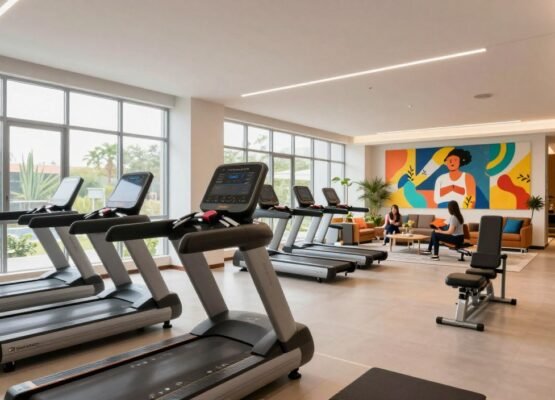
Gym Interior Design:.
"The details are not the details. They make the design." - Charles Eames When you walk into a gym, the atmosphere is.
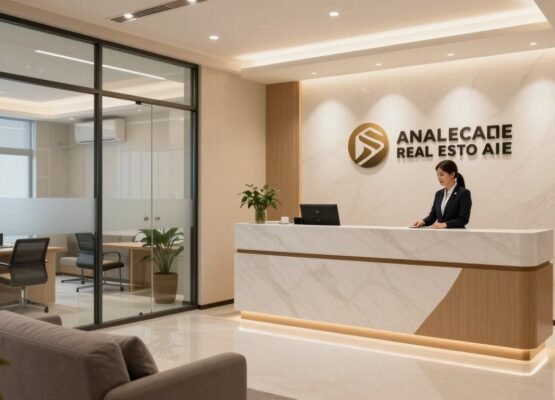
Office Design Ideas.
Corporate offices are often the first point of contact for clients, partners, and visitors. They reflect your company's values, culture, and professionalism..