

Office Conference Room Design: Creating Spaces That Inspire Collaboration

Why Office Conference Room Design Matters
The design of your conference room directly impacts the quality and effectiveness of meetings. According to research, poorly designed meeting spaces can waste up to 15% of meeting time due to technical difficulties, uncomfortable seating, or inadequate acoustics. On the other hand, thoughtfully designed conference rooms can enhance collaboration, improve decision-making, and create a positive impression on clients and partners.
In the post-pandemic workplace, conference rooms must now accommodate both in-person and remote participants equally. This means rethinking traditional designs to create spaces that foster connection regardless of where team members are located. The right conference room design balances aesthetics with functionality, creating an environment where ideas can flow freely and work gets done efficiently.
“The conference room is where company culture becomes visible. It’s where collaboration happens, decisions are made, and innovation takes shape.”
Conference Room Layout and Seating Arrangements
The layout of your conference room should align with its primary purpose and the types of meetings it will host. Different configurations serve different functions, from formal presentations to collaborative brainstorming sessions.

Popular Conference Room Layouts
Boardroom Style
A classic arrangement featuring a large rectangular or oval table with chairs around all sides. Ideal for formal meetings, board discussions, and situations where all participants need to see each other.
Best for: Executive meetings, client presentations, formal discussions
U-Shape Style
Tables arranged in a U formation with chairs on the outside. Creates an open area for presentations while allowing participants to see each other and the presenter.
Best for: Training sessions, interactive presentations, discussions with visual aids
Theater Style
Rows of chairs facing a central presentation area. Maximizes seating capacity for larger groups where interaction between attendees is less important.
Best for: Large presentations, company announcements, guest speakers
Flexible Seating Considerations
Modern conference room design often incorporates flexibility to accommodate different meeting types. Consider these approaches:
- Use modular furniture that can be easily reconfigured
- Incorporate movable partitions to divide larger spaces when needed
- Select ergonomic chairs that support comfort during longer meetings
- Ensure adequate spacing between seats (especially important post-pandemic)
- Create clear sightlines to presentation areas and displays
Need help planning your conference room layout?
Our design experts can help you maximize your space for productivity and collaboration.
Technology Integration for Modern Conference Rooms
Technology is the backbone of today’s conference room design, enabling seamless collaboration between in-person and remote participants. Investing in the right technology solutions can dramatically improve meeting efficiency and effectiveness.

Essential Conference Room Technology
Video Conferencing Systems
High-quality video conferencing is non-negotiable in modern conference room design. Look for systems that offer:
- HD cameras with wide-angle views and auto-framing capabilities
- Quality microphones that capture clear audio throughout the room
- Speakers that deliver clear sound without echo
- Easy integration with popular platforms like Zoom, Microsoft Teams, and Google Meet
Display Solutions
Visual presentation capabilities are crucial for effective meetings:
- Large LED displays or video walls for maximum visibility
- Interactive whiteboards for collaborative brainstorming
- Wireless screen sharing capabilities for easy content sharing
- Multiple displays for larger rooms to ensure visibility for all participants
Room Control Systems
Simplify technology management with integrated control systems that allow users to:
- Start meetings with a single touch
- Control lighting, blinds, and temperature
- Adjust audio levels and camera settings
- Switch between different input sources seamlessly
Pro Tip: Invest in user-friendly technology that requires minimal training. The best conference room technology is the kind that people actually use because it’s intuitive and reliable.
Acoustics and Sound Management
Proper acoustics are critical to conference room functionality but are often overlooked in the design process. Poor sound quality can derail meetings and create frustration for both in-person and remote participants.

Acoustic Design Considerations
- Sound Absorption: Use acoustic panels, carpeting, and soft furnishings to reduce echo and reverberation
- Sound Isolation: Ensure adequate insulation between the conference room and surrounding spaces
- Background Noise: Minimize HVAC noise and other mechanical sounds that can interfere with communication
- Microphone Placement: Strategic positioning of microphones for optimal voice capture
- Speaker Positioning: Proper placement of speakers for even sound distribution
For hybrid meetings, acoustic design becomes even more important as remote participants rely entirely on audio quality to follow discussions. Consider ceiling-mounted microphone arrays that can capture voices from anywhere in the room without creating visual clutter on the conference table.
“In a well-designed conference room, you shouldn’t have to think about the acoustics—they just work. When remote participants can hear every word clearly, collaboration becomes effortless.”
Lighting Design for Conference Rooms
Effective lighting is essential for both functionality and atmosphere in conference room design. Poor lighting can cause eye strain, reduce engagement, and negatively impact video quality for remote participants.

Lighting Best Practices
Natural Light
Natural light improves mood and productivity, but needs to be managed:
- Position displays to minimize glare from windows
- Install adjustable blinds or shades to control light levels
- Consider window placement when designing new conference rooms
Artificial Lighting
Create a layered lighting approach:
- Ambient lighting for overall illumination
- Task lighting for note-taking and reading
- Accent lighting to highlight design features
- Dimmable options for different meeting types
Lighting for Video Conferencing
When designing for video meetings, consider these additional factors:
- Position lighting to illuminate faces evenly without harsh shadows
- Avoid backlighting that can silhouette participants
- Use color-balanced lighting (3500-4000K) for natural skin tones on camera
- Install lighting controls that can be adjusted for optimal video quality
Conference Room Furniture Selection
The furniture you choose for your conference room impacts both comfort and functionality. Quality furniture creates a professional impression while supporting productive meetings.

Conference Tables
The conference table is the centerpiece of your meeting room design. Consider these factors when selecting the right table:
- Size and Shape: Match to your room dimensions and typical meeting size
- Power Integration: Built-in power outlets and USB ports for device charging
- Cable Management: Solutions to keep wires organized and out of sight
- Material Quality: Durable surfaces that resist scratches and stains
- Design Aesthetic: Style that complements your overall office design
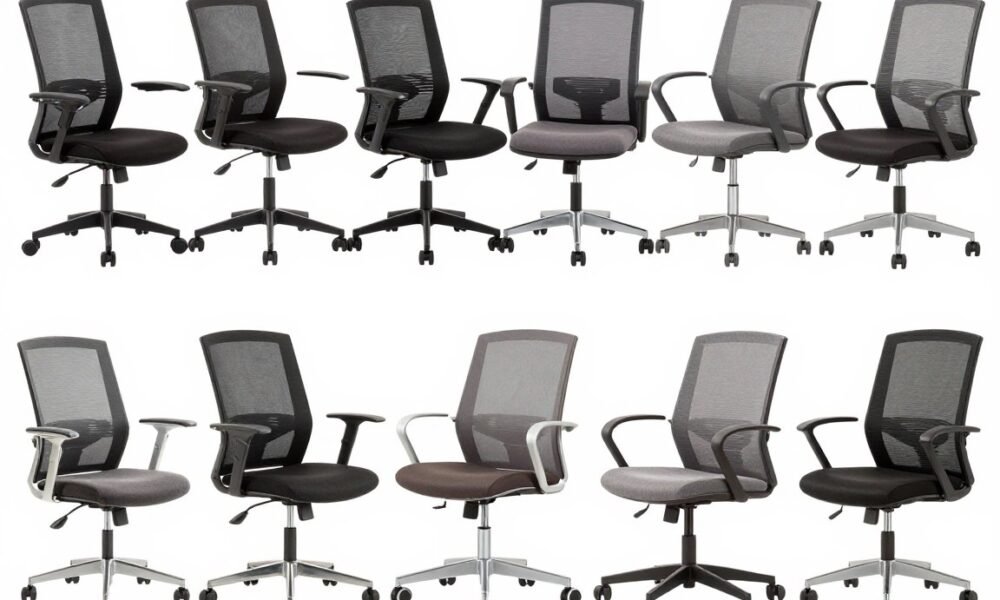
Seating Options
Comfortable seating is essential for productive meetings, especially longer sessions:
- Ergonomics: Chairs with proper lumbar support and adjustability
- Mobility: Consider wheeled options for flexible arrangements
- Durability: Commercial-grade materials that can withstand daily use
- Comfort: Adequate padding for longer meetings
- Style: Design that balances aesthetics with functionality
Ready to upgrade your conference room furniture?
Our design consultants can help you select the perfect furniture for your specific needs and budget.
Aesthetic Elements in Conference Room Design
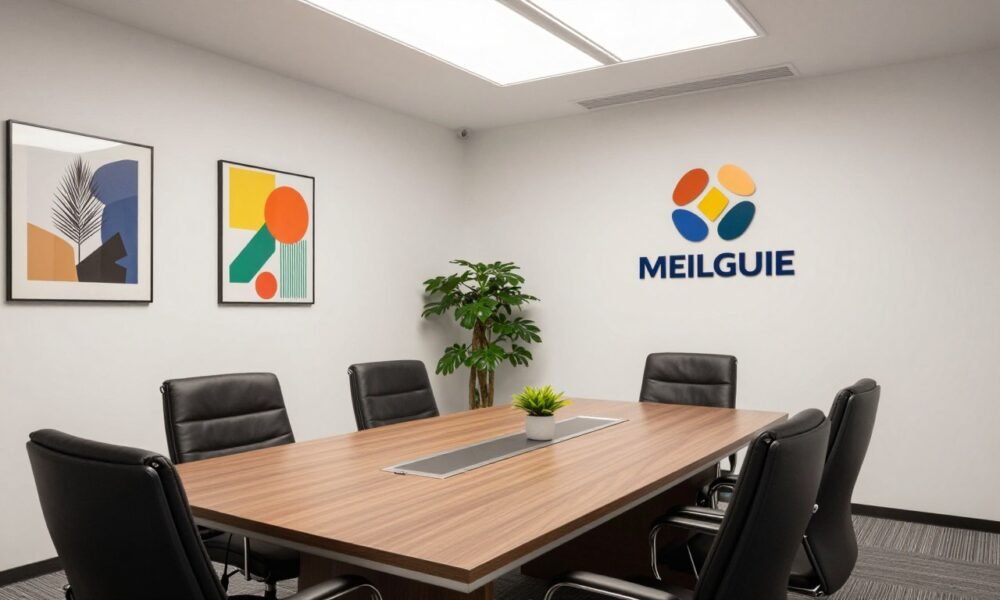
The visual design of your conference room communicates your company’s values and culture. Beyond functionality, aesthetic elements create an environment that inspires and impresses.
Color Psychology
Colors influence mood and behavior in subtle but important ways:
Blues
Promote calm, trust, and focus—ideal for decision-making meetings and client presentations.
Greens
Encourage creativity and reduce stress—perfect for brainstorming sessions and collaborative work.
Neutrals
Create a timeless, professional backdrop that won’t distract from the content of meetings.
Branding Elements
Incorporate your company identity thoughtfully:
- Subtle logo placement on walls or glass partitions
- Company colors as accent elements rather than overwhelming themes
- Mission statements or values displayed tastefully
- Custom art that reflects company culture and industry
Biophilic Design
Connecting to nature improves wellbeing and productivity:
- Live plants to improve air quality and add visual interest
- Natural materials like wood and stone
- Views of outdoor spaces when possible
- Nature-inspired patterns and textures

Designing for Hybrid Meetings
Today’s conference rooms must accommodate both in-person and remote participants equally. Thoughtful design can help bridge the gap between physical and virtual presence.
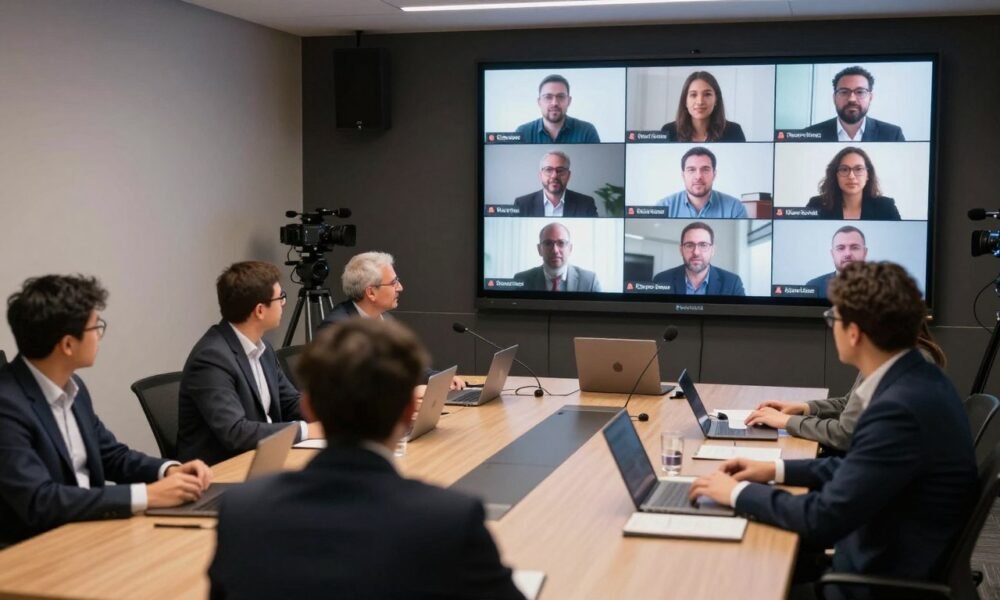
Key Considerations for Hybrid-Friendly Conference Rooms
- Camera Positioning: Ensure cameras can capture all in-room participants clearly
- Display Placement: Position screens so in-room participants can maintain eye contact with remote colleagues
- Audio Quality: Implement ceiling microphone arrays and quality speakers for natural conversation
- Content Sharing: Make it easy for both in-room and remote participants to share content
- Lighting Design: Optimize lighting for both in-person comfort and video quality
- Visual Cues: Consider how room design appears to remote participants
“The most successful hybrid meeting rooms don’t just accommodate remote participants—they actively include them in the experience.”
Technology for Inclusion
These technologies can help create more equitable hybrid meetings:
Smart Cameras
Advanced camera systems that:
- Automatically track and frame active speakers
- Provide multiple viewing angles
- Adjust to changing room conditions
- Offer high-definition video quality
Collaborative Software
Digital tools that enable:
- Real-time document collaboration
- Digital whiteboarding for all participants
- Meeting transcription and recording
- Chat features for questions and comments
Design Tip: Create a “digital-first” mindset when designing hybrid meeting spaces. Consider how every aspect of the in-room experience translates to remote participants.
Conference Room Design for Small Spaces
Not every organization has the luxury of large conference areas. Smaller businesses and startups often need to maximize limited space while still creating effective meeting environments.
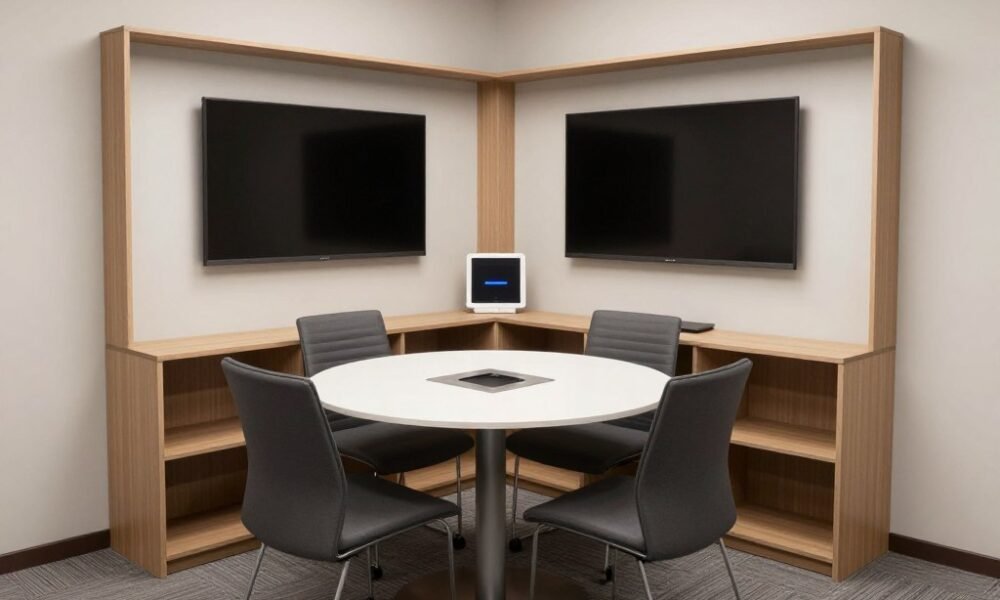
Space-Saving Strategies
- Multi-functional Furniture: Tables that can be reconfigured or folded when not in use
- Wall-Mounted Displays: Free up floor space by mounting technology on walls
- Built-in Storage: Integrated cabinets for equipment and supplies
- Glass Partitions: Create visual separation without blocking light
- Compact Technology: All-in-one video conferencing solutions designed for smaller spaces
Design Tips for Small Conference Rooms
Visual Expansion
Create the illusion of more space:
- Use lighter colors to make the room feel larger
- Install mirrors to create depth
- Maximize natural light when possible
- Keep décor minimal and purposeful
Functional Layout
Optimize the available space:
- Choose round tables to maximize seating efficiency
- Use wall space for whiteboards and displays
- Consider bench seating along walls
- Create clear pathways for movement
“Small conference rooms can be just as effective as large ones when designed thoughtfully. Often, the intimacy of a smaller space can actually enhance collaboration.”
Creating Your Ideal Conference Room
Effective office conference room design balances aesthetics, functionality, and technology to create spaces that truly enhance collaboration. Whether you’re designing a new conference room from scratch or updating an existing space, focus on creating an environment that supports the specific needs of your team and the types of meetings you conduct most frequently.
Remember that the best conference room designs are those that adapt to changing needs. Build in flexibility where possible, and be prepared to evolve your spaces as technology and work patterns continue to change. By thoughtfully considering each element discussed in this guide, you can create conference rooms that not only look impressive but actually improve how your team works together.

Ready to Transform Your Conference Room?
Our expert design team can help you create the perfect conference room for your specific needs and budget. From initial concept to final implementation, we’ll guide you through every step of the process.
Schedule Your Free Consultation
Or call us directly:

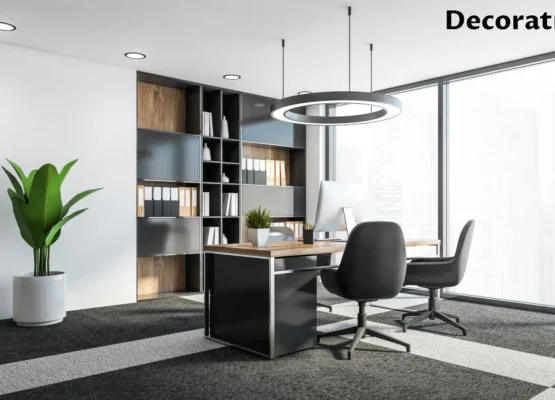
Luxury CEO Office.
Luxury CEO office design is no longer just about a big desk and an impressive view. It is a strategic environment that.
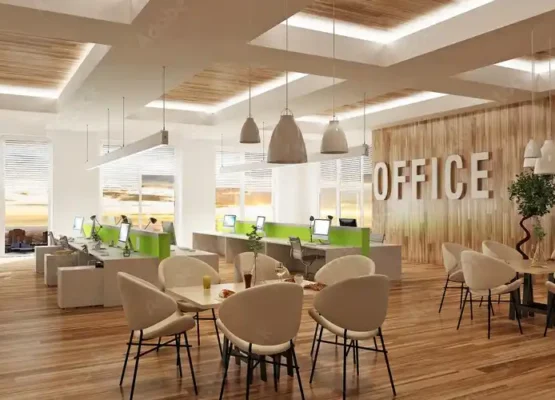
Designing Offices for.
Designing Offices for Startups: When launching a startup, your office design is more than just an aesthetic decision — it's a reflection.