
Stunning Restaurant Interior Design Ideas
“Design is not just what it looks like and feels like. Design is how it works.” — Steve Jobs
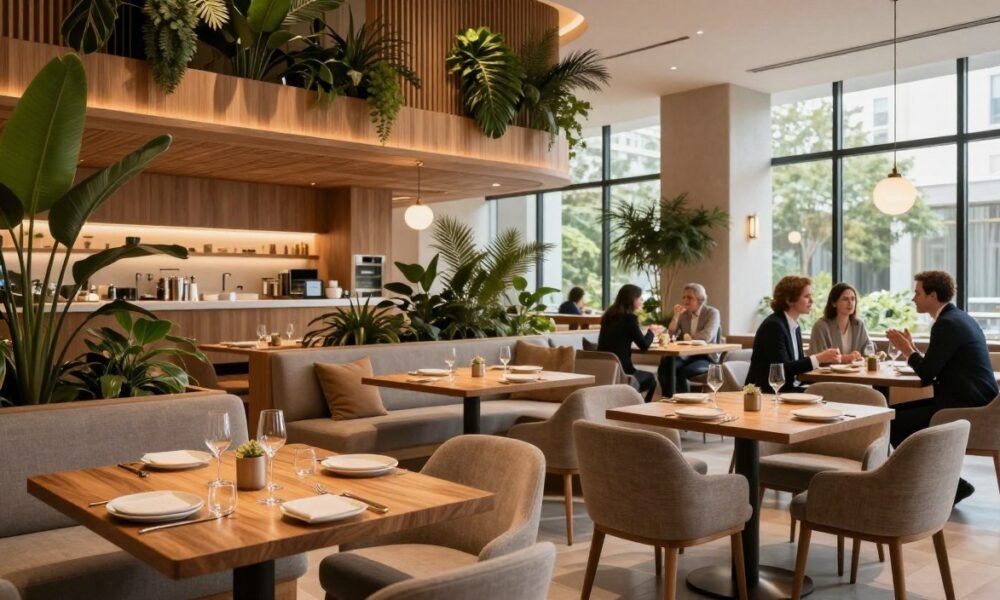
In India’s fast-paced dining scene, “stunning” means more than just looking good. It must feel welcoming, even on busy Saturdays. Great design should support comfort and flow, and be made of materials that last through the day.
The best designs also reflect your brand. This way, guests remember you long after they leave.
In this guide, we’ll cover everything from planning basics to modern designs. We’ll talk about luxury touches and the latest trends. We’ll also discuss layout, architecture, and essential features for India’s diverse dining scene.
We focus on what matters most: the guest experience, smooth operations, and making money. We aim for quick service without feeling rushed, more repeat visits, lower upkeep costs, and a unique look in a crowded area.
Key Takeaways
- “Stunning” restaurant interior design must balance style with service-day performance.
- We’ll use guest experience, operations, and ROI as the main decision filter.
- Smart flow and seating mix can lift table turns without hurting comfort.
- Durable, cleanable finishes protect your budget long after opening week.
- Restaurant interior design inspiration works best when it supports a clear brand story.
- The advice applies across Indian formats, from cafés and QSR to fine dining hybrids.
Why Great Restaurant Interiors Matter in India’s Dining Scene
In India’s busiest food hubs, guests make quick choices. Great restaurant interior design builds trust before they taste anything. It shows care, which guests see as a sign of hygiene and value.
People decide fast whether to enter, wait, or leave. A clean, comfortable space encourages word-of-mouth and social sharing without asking.
How design shapes first impressions, footfall, and repeat visits
First impressions start at the entrance. A clear sign and an uncluttered entry can boost walk-ins. The host stand should be easy to find, with a short, calm path.
Lighting sets the mood. Warm light feels premium, while bright light is quick and casual. We use these cues to hint at the cuisine and price before guests see the menu.
Repeat visits depend on comfort and ease. In restaurant design, we focus on seat comfort, noise control, and temperature. Quick service and table resets make guests feel valued, not rushed.
Balancing aesthetics with operations for Indian restaurant formats
Indian dining is often for groups, weekends, and celebrations. We design for flexible seating, family tables, and clear paths for strollers and elders. During lunch, fast ordering and quick table turns are key.
We plan for delivery pickup to avoid conflicts with dine-in guests. Smart design separates entry, billing, and pickup points. Durable surfaces and easy-clean edges protect the look during busy times.
| Indian dining pattern | Design move in restaurant interior design | Operational gain through restaurant architecture and design |
|---|---|---|
| Family groups and mixed ages | Banquettes plus movable two-tops for quick re-sets | Higher seating flexibility without blocking aisles |
| Weekend peaks and celebrations | Light zoning with semi-private corners and photo-friendly backdrops | Smoother wait management and better table utilization |
| Lunch rush near offices | Clear menu visibility, fast-pay point, and bright, even lighting | Faster ordering, shorter dwell time, steadier throughput |
| Delivery pickup and takeout | Dedicated pickup shelf near the entrance, away from prime seats | Less crowding, fewer service interruptions, cleaner entry flow |
| High-heat seasons and monsoons | Slip-resistant flooring, easy-dry entry mat zone, and balanced airflow | Safer movement, better comfort, fewer maintenance issues |
Creating a memorable brand story through space
We see the room as a brand language. Modern Indian menus match clean lines, warm woods, and bold accents. Cafés might use softer colors and bright lighting.
Consistency builds recall. In design, we repeat motifs across touchpoints like menus, colors, and lighting. This makes the experience feel cohesive. When the space matches the food, guests feel like they’re in their place.
restaurant interior design: Core Principles We Always Start With
Every restaurant interior design starts with key elements. We match the guest experience with daily operations for a smooth flow. This makes the space work well, even when it’s busy.
Getting these basics right helps us make decisions faster. We focus on layout, lighting, and finishes. This ensures the dining room matches the brand, from start to finish.
Concept clarity: aligning cuisine, audience, and ambiance
We figure out who the restaurant serves first. Different groups, like families or couples, want different things. The price and service style also shape the room’s feel.
We decide how long guests should stay. Quick-serve places need fast cues, while special meals should feel slower. This keeps the space true to the cuisine, whether it’s traditional or modern.
- Target guest: family groups, solo diners, teams, or couples
- Service model: counter, full service, delivery-heavy, or hybrid
- Dining pace: quick turns or longer stays
- Brand cues: colors, textures, and cultural references that feel credible
Space planning basics: seating mix, circulation, and table turns
We plan the entry first, including the host stand and queue control. We make sure there’s a clear path for servers and bussing. This avoids collisions and keeps guests and staff comfortable.
Seating mix is carefully planned. We use two-tops, banquettes, and bar counters for flexibility. We also have special “hero” tables for premium bookings.
| Planning focus | What we design for | What it improves |
|---|---|---|
| Entry + host zone | Clear greeting point, simple queue line, space for waiting | First impression, fewer bottlenecks |
| Circulation routes | Direct server paths, separate pickup flow, safe aisle widths | Speed of service, fewer interruptions |
| Seating mix | Linkable two-tops, banquettes, counter seats, hero tables | Capacity, revenue per square foot |
| Table sizing | Room for thali spreads, shared plates, and water service | Guest ease, cleaner tabletop workflow |
We aim for efficient spacing without rushing guests. For dishes like thali, we size tables for real loads. Good design supports turnover through comfort, not pressure.
Lighting layers: task, ambient, and accent for the right mood
We use different lighting types for various needs. Task lighting helps guests read menus and see food. Ambient light sets the room’s warmth, affecting how long guests stay.
Accent lighting highlights textures and art. It guides guests to key areas. In restaurant design, layered lighting reduces glare and makes photos flattering.
Materials that perform: durability, cleaning, and longevity
Materials must handle India’s climate and heavy use. We choose stain and scratch resistance, and anti-slip flooring. Upholstery should clean easily without looking worn.
We use commercial-grade parts for easy replacement. Finishes that age well reduce the need for frequent refinishing. This meets real-world maintenance needs.
Modern Restaurant Design Ideas That Feel Fresh and Functional
When we design modern dining spaces in India, we aim for simplicity and comfort. The best designs are calm yet engaging. We observe how people move and what catches their eye.
We focus on durability and easy cleaning for busy nights. Then, we add personality with texture and bold touches.
Minimal palettes with high-impact textures
Using few colors can be rich with the right materials. We choose microcement floors and terrazzo counters. Fluted wood panels and ribbed glass add depth without clutter.
Modern spaces don’t have to feel cold. Warm LEDs and tactile upholstery soften clean lines. This mix suits Indian tastes and climates.
Open kitchens, chef’s counters, and interactive dining
Open kitchens work best with fresh, theatrical cooking. We plan for heat and odor control at chef’s counters. Glass partitions help, as long as they’re easy to clean.
Interactive moments boost value and keep guests engaged. We design plating stations and live bars for fast service. This supports revenue and keeps guests safe.
Statement ceilings, sculptural lighting, and bold focal points
A strong focal point should be where photos naturally happen. We use sculptural pendants and bold walls to create impact. It looks intentional, not staged.
Ceilings are often overlooked. We use slatted wood and acoustic panels to hide services and control echo. The right lighting makes modern spaces inviting from the start.
Flexible furniture for peak hours and private events
Indian peak patterns require quick changes. We choose lightweight tables and stackable chairs. Screens create privacy in minutes, making events easier to manage.
Flexibility needs careful planning. We focus on robust joinery and concealed storage. Comfort, acoustics, and service speed are key for ongoing inspiration.
| Design move | What guests notice | What we plan for behind the scenes |
|---|---|---|
| Microcement + fluted wood layering | Clean look with warmth and depth | Scratch resistance, sealants, and easy daily cleaning |
| Chef’s counter facing the pass | Energy, craft, and a “front-row” meal | Ventilation, glare control, safe distances, and queue management |
| Sculptural pendants over key tables | Photo-ready focal point and better mood | Mounting strength, maintenance access, and balanced light levels |
| Movable tables + sliding screens | Privacy when needed, space when it’s busy | Fast reconfiguration, storage pockets, and stable hardware |
Luxury Restaurant Interior Design Touches That Elevate the Experience
In India, luxury means comfort and privacy. It’s about warm lighting and soft sounds. In luxury design, calmness is key, not flashiness.
Premium finishes: stone, wood veneers, metal accents, and artisan tiles
We focus on areas guests touch, like entryways and bars. Stone counters feel good in the hand and last long. Wood veneers look better when the grain is the same everywhere.
Metal accents are important for a refined look. They also hide fingerprints. Artisan tiles add a touch of elegance, but don’t overwhelm the space.
| Where we spend for impact | Why it signals luxury | Where we stay durable and understated | Why it performs better |
|---|---|---|---|
| Entrance threshold and host desk | Sets the first impression and frames the brand story | Staff corridors and service doors | Reduces visible wear and keeps operations efficient |
| Bar counter (stone or solid surface) | Close-up material quality guests can touch | High-traffic flooring in main aisles | Slip resistance and easy cleaning during rush |
| Feature wall behind key seating | Creates a photo-friendly focal point without excess décor | Back-of-house transition zones | Handles carts, heat, and frequent maintenance |
| Restroom vanity and mirror surround | Elevates the “last impression” and boosts perceived care | Storage niches and utility areas | Protects budget for guest-facing moments |
High-end comfort: banquettes, acoustics, and intimate zoning
Comfort is seen as quality when guests sit down. We choose deep banquettes and supportive seats. Tables should be the same height everywhere for comfort.
Zoning creates cozy areas. We use screens and plants to make spaces feel personal. This works even when the room is full.
Good acoustics are a sign of luxury. We use soft surfaces and panels to reduce echoes. This ensures everyone can hear the music.
Signature moments: feature walls, art curation, and bespoke details
Luxury design needs standout features. We often create a feature wall with a unique pattern or light. It should be memorable but not too loud.
Curated art adds value when it’s chosen carefully. A few pieces can guide the eye and make the room feel curated. Good lighting and clean lines enhance these moments.
Luxury without clutter: restraint, proportion, and negative space
Real luxury lets the room breathe. We keep tables clear and align furniture for balance. Negative space makes materials look more valuable.
Restraint keeps the brand consistent. A steady palette and sharp details make updates easy. This keeps the design fresh without feeling forced.
Restaurant Interior Design Trends We’re Seeing Right Now
In India’s bustling dining scene, restaurant designs are getting sleek and efficient. Gone are the days of just setting up a space. Now, we focus on practical elements like better lighting, smart zoning, and durable finishes. We aim to create a welcoming atmosphere for guests and a functional environment for staff.
Biophilic design is becoming simpler and more practical. We use hardy plants and earthy colors to add warmth. Natural light is key, but we also control glare with sheers and blinds.
Craft and locality are trending, but with a touch of restraint. We blend local textures with modern lines. This approach adds a premium feel without overwhelming the space.
Seating is evolving to meet different needs. We have lounge areas for chats, counter seats for solo meals, communal tables for groups, and booths for privacy. This mix offers flexibility but requires careful planning.
Now, restaurants focus on creating photo-worthy moments. Guests want flattering light and tidy backgrounds. We aim for simple, camera-friendly designs that don’t disrupt operations.
Sustainability is becoming a key trend. We choose durable materials and energy-efficient systems to save costs and improve air quality. These choices benefit both the environment and the dining experience, encouraging repeat visits.
| Trend theme | What works best | Watch-outs | Best-use cases in India |
|---|---|---|---|
| Biophilic cues | Hardy plants, textured greens, daylight with soft control | Water leaks, pests, heat near glass, high upkeep | Cafés, brunch spots, family dining with daytime footfall |
| Craft and locality | Artisanal textures as accents, locally made lighting or screens | Over-theming, uneven supply, hard-to-clean surfaces | Premium casual, chef-led concepts, hotel restaurants |
| Mixed seating landscapes | Zoning by visit type, flexible table sizes, clear aisle widths | Noise spill, uneven table turns, service bottlenecks | High-street outlets, malls, business districts with mixed groups |
| Camera-considered moments | Flattering lighting, clean backdrops, one strong brand cue | Fads that date fast, crowding in photo spots | Dessert bars, cocktails, new launches that rely on social discovery |
| Sustainability-minded specs | LED efficiency, low-VOC paints, repairable furniture, durable floors | Higher upfront cost, lead times, wrong material for kitchen-adjacent zones | All formats, specially high-traffic chains and long-lease sites |
We approach restaurant design with a layered approach. We focus on the basics like layout, lighting, and efficiency. Our goal is to create a space that looks great and functions well, even after the initial excitement wears off.
Restaurant Architecture and Design for Layout, Flow, and Identity
We see restaurant architecture and design as the starting point, not the end. The choice of column grids, ceiling height, façade openness, and service cores shapes the dining room. When these choices are right, designing the interior becomes easy.
Flow starts at the street. We plan the path from entry to seat to avoid congestion. Clear views help staff stay focused and guests feel welcome.
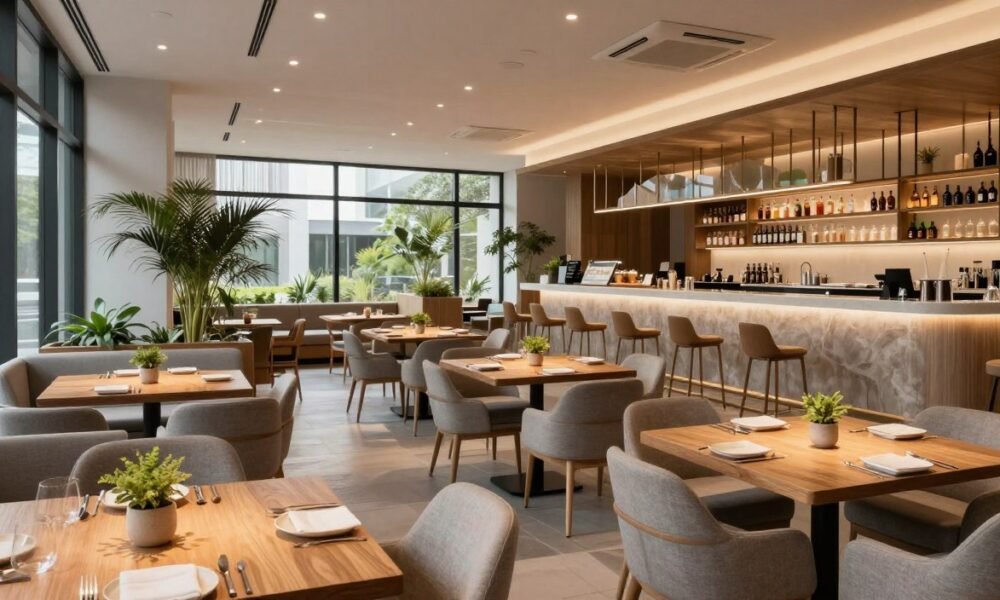
Bar placement is more than just looks. In many Indian settings, it’s a high-margin spot and a smart waiting area, perfect for weekends. Good design gives the bar room to breathe without making it a passageway.
Identity should be built into the design. We plan signage, window strategy, and entrance moments to carry the brand. Inside, strong design repeats these cues through materials, lighting, and details.
Zoning ensures one space works all day. We create areas for lunch, dates, family, and celebrations. Semi-private spots also protect bookings when group sizes change.
| Design move | Guest experience impact | Operational payoff |
|---|---|---|
| Vestibule or shaded porch at entry | Smoother arrival, less heat and dust, calmer first impression | Better queue control and fewer door drafts affecting comfort |
| Open vs screened façade windows | Street energy or privacy, depending on the concept | Improves visibility for walk-ins or reduces glare and distraction |
| Bar near waiting zone (not in circulation) | Shorter-feeling waits and a clear social hub | Higher add-on sales and fewer traffic conflicts at peak hours |
| Restrooms placed discreetly, finished to dining-room standards | Stronger cleanliness perception and more trust in the kitchen | Less wayfinding confusion and fewer interruptions to table service |
| Outdoor seating with shade, lighting, and acoustic control | Comfortable evenings and a stronger “buzz” from the street | Extra covers, better brand presence, and flexible peak capacity |
Restrooms need the same design care as the dining area. We make them easy to find but not obvious, and avoid cheap finishes. When design is consistent in these spaces, the whole place feels cleaner.
Outdoor seating is more than just extra tables. We plan for rain protection, glare-free lights, and sound control. Thoughtful design lets the outside extend capacity while staying true to the inside.
Commercial Interior Design for Restaurants: Practical Must-Haves
When we design the interior of restaurants in India, we focus on what guests don’t see. A well-organized back-of-house ensures a calm dining room, efficient service, and a strong brand image.
Our services aim for fewer steps, bottlenecks, and surprises during busy times. This practical approach helps protect the design you’ve worked hard on.
Back-of-house planning: kitchen adjacency, storage, and service routes
Adjacency is key. We place the kitchen, pass, dishwash, service stations, and storage for quick ticket movement and less staff interaction.
We also separate guest paths from staff routes when possible. This keeps the dining room calm, even when the kitchen is busy.
Storage must be realistic, not idealistic. We have zones for dry, cold, housekeeping, and packaging to prevent clutter and maintain a clean look.
Safety and compliance: fire exits, accessibility, and local regulations
In restaurant design, safety is crucial for every layout choice. We ensure clear exits, readable signs, and accessible paths for all.
We plan ahead to meet fire safety and local regulations. This reduces redesigns and boosts confidence in the construction team.
Acoustics and ventilation: comfort that guests actually notice
Comfort often starts with sound. We use surfaces and furnishings to absorb noise, crucial in modern spaces.
Ventilation is also key. For open kitchens, we manage airflow to prevent heat and odors from reaching guests.
Good airflow also protects finishes and keeps the space fresh. This is a core part of our services, not an afterthought.
Maintenance planning: finishes, fixtures, and cleaning-friendly details
We choose finishes that withstand daily cleaning. Scrubbable paints, cleanable grout, and stain-resistant upholstery keep the room looking new.
For busy places, washable slipcovers are a smart choice. We prefer fixtures with easy-to-find replacement parts in India to minimize downtime.
| Must-have | What we specify | Operational impact | Guest-facing benefit |
|---|---|---|---|
| Kitchen-to-pass adjacency | Direct line from hot line to pass with a dedicated pickup zone | Shorter staff routes and quicker handoff during rush | Faster food arrival and fewer service interruptions |
| Dishwash and clearing path | Separate return route with a discreet staging point | Less cross-traffic with food runs and fewer collisions | Quieter dining room with less visual clutter |
| Storage zoning | Dry, cold, housekeeping, and delivery packaging storage | Cleaner back-of-house and fewer emergency stock piles | Tidy guest areas that stay on brand |
| Fire and accessibility planning | Clear egress paths, legible exit signage, step-free access where required | Fewer compliance risks and smoother approvals | Comfortable movement for all guests |
| Ventilation and thermal control | Balanced exhaust and makeup air with odor containment | Reduced heat load near cooking and steadier indoor comfort | Guests linger longer without feeling warm or smoky |
| Acoustic control | Sound-absorbing panels, upholstery, and soft finishes in key zones | Lower noise fatigue for staff during long shifts | Easier conversation and a more relaxed mood |
| Maintenance-ready finishes | Scrubbable paint, stain resistance, cleanable grout, serviceable hardware | Lower repair time and simpler daily upkeep | A polished look that holds up over time |
Choosing the Best Restaurant Interior Designers and Interior Design Companies
When we pick the top restaurant interior designers, we focus on their fit, not just their hype. In India, different types of restaurants have unique needs. The best teams can explain why a design works, not just how it looks.
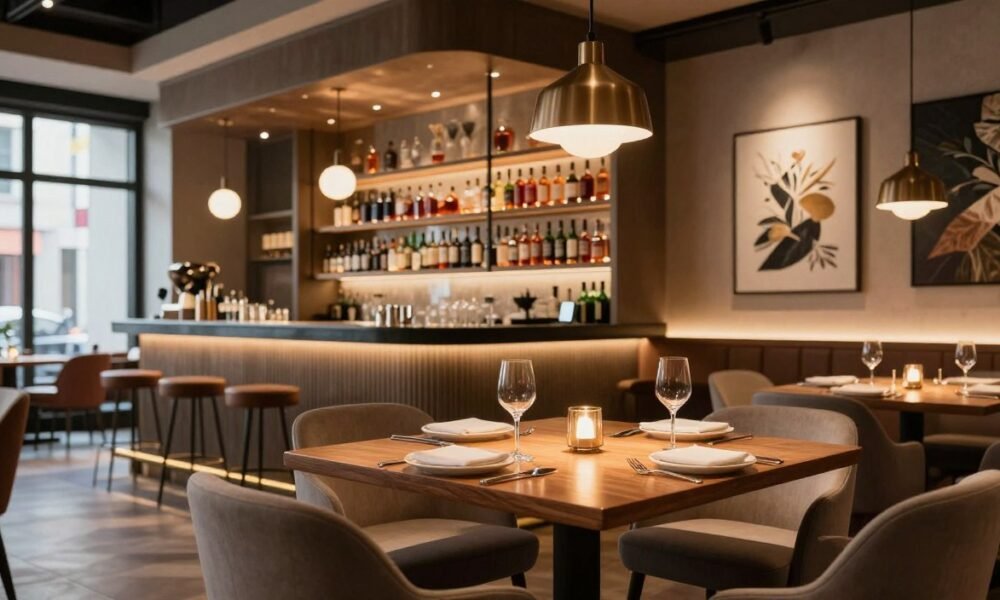
We compare interior design companies based on their past work, not just promises. It’s easy to create beautiful designs, but executing them is harder. We look for projects where the final space matches the original plan, including lighting, materials, and comfort.
What to look for in a portfolio: typology, scale, and consistency
We look for depth in hospitality in their portfolios. This includes dining rooms, bars, waiting areas, and restrooms that feel well-thought-out. Restaurants need to handle wear and tear faster than homes do.
Typology is key. Quick-service restaurants need clear paths and easy cleaning. Fine dining requires privacy, good acoustics, and a pace that lets guests enjoy their meal. We ask designers to explain how guests will experience the space in the first 10 seconds.
How we evaluate restaurant interior design services: process and deliverables
Good restaurant interior design services start with a clear plan from the beginning. We expect a detailed site survey, a clear concept story, and a layout that respects the kitchen and guest flow.
- Detailed layouts for seating, bar, host, and circulation
- Lighting plan with layered intent (ambient, task, accent)
- Material specs that suit Indian maintenance and cleaning cycles
- BOQ support to keep costs trackable during procurement
- Coordination drawings a contractor can build without guesswork
We also check if vendors are realistic. If a design relies on hard-to-find items, timelines can slip. Teams that can source items in India, with stable lead times, reduce stress.
Budgeting and timelines: what realistic project planning looks like
When comparing companies, we look for budget guidance that protects the concept. We prioritize high-impact areas first, then focus on durable finishes for the back-of-house.
| Project phase | What we lock | What often causes delays in India |
|---|---|---|
| Design development | Layout, brand cues, seating count, key materials | Late menu changes, unclear kitchen brief, missed site constraints |
| Approvals | Signage zones, fire exits, accessibility routes | Revisions after landlord or mall feedback, document gaps |
| Procurement | Lighting, loose furniture, custom joinery orders | Long lead items, shade mismatches, inconsistent vendor QA |
| Site execution | Service routes, MEP coordination, detailing mock-ups | Contractor bandwidth, rework from poor coordination drawings |
| Snagging and handover | Punch list, cleaning plan, spares, maintenance notes | Rushed opening dates, incomplete testing, missed accessories |
Value engineering should cut costs without losing the design’s essence. We’d rather simplify a detail than compromise on comfort. Guests notice the difference every day.
Collaborating with contractors, vendors, and kitchen consultants
Even the best designers can’t work alone. We define roles early among designers, architects, MEP teams, kitchen consultants, and contractors. Clear roles help make decisions faster and reduce site conflicts.
Good design services include active coordination, not just drawings. When vendors, fabricators, and installers are aligned before ordering, we avoid last-minute changes. This way, design intent stays true to real-world deadlines.
Conclusion
In India’s busy dining scene, restaurant design must tell a clear story, offer real comfort, and ensure smooth service. Decor alone can’t boost foot traffic or keep customers coming back. What does work is a space that looks good, is easy to use, and helps staff work efficiently during busy times.
We keep things simple: we start with a clear concept and basic layout, then add more layers. We introduce modern design ideas only if they match the menu, audience, and service pace. For higher ticket sales, luxury design can make a difference, but it must be calm and thoughtful.
Trends are important, but execution is key. We use durable materials, clean finishes, smart lighting, and good acoustics to keep the space looking great month after month. If the space is too tight or noisy, even the best design can fail.
To make a quick decision, we first decide what we want: more walk-ins or a premium experience. Then, we check the layout and lighting, upgrade finishes and key points, and choose reliable partners for design and construction.
FAQ
What does “stunning” restaurant interior design mean in real-world operations?
Which modern restaurant design ideas work best for Indian dining formats?
How do restaurant interior design trends affect footfall and repeat visits in India?
What are the core principles we should prioritize before choosing finishes or décor?
How do we plan the ideal seating mix for table turns and revenue?
What lighting approach creates the right mood without hurting food presentation?
Which materials perform best for commercial interior design for restaurants in India?
What defines luxury restaurant interior design beyond expensive materials?
How does restaurant architecture and design influence interior success?
What layout decisions matter most for flow, queue management, and delivery pickup?
How do we handle acoustics and ventilation so guests feel comfortable?
How do we choose the best restaurant interior designers or restaurant interior design companies?
What should restaurant interior design services include as deliverables?
What is a realistic budget and timeline for a new restaurant or a refresh?
Where can we find restaurant interior design inspiration that fits our brand and ROI goals?

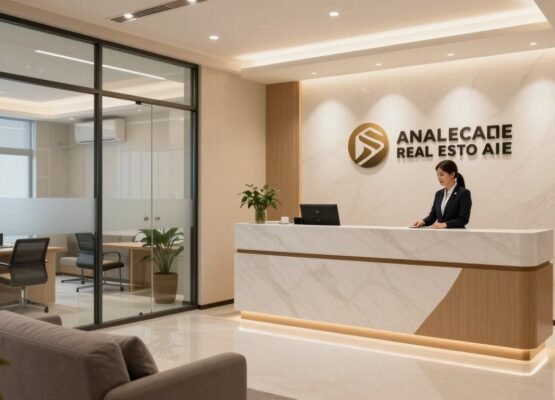
Real Estate Office.
In real estate, first impressions aren't just important—they're everything. Your office space silently communicates your brand's values, success level, and attention to.
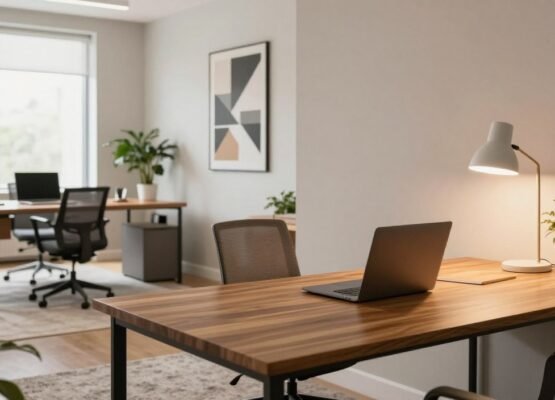
Stylish Interior Design.
Ever thought why some workplaces boost team energy while others suck the life out? It's all about smart interior design for office.