
Designing Offices for Creative Industries: A Guide to Inspiring Innovation
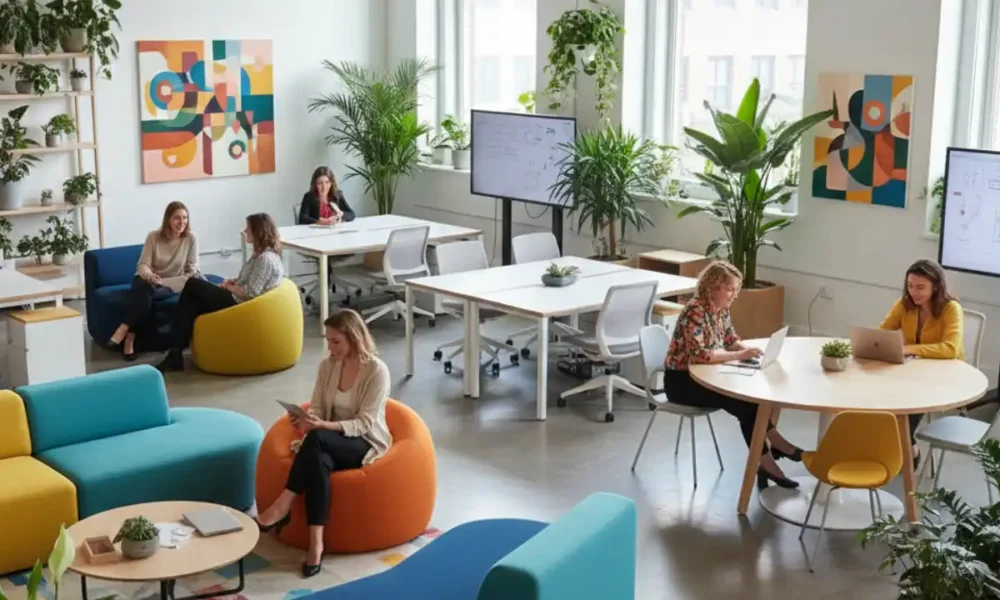
If you walked into a bank in the 1990s, you likely saw rows of beige cubicles, fluorescent lights, and serious faces. Now, walk into a modern advertising agency or a tech startup. You’ll likely see colorful breakout zones, open-plan desks, and perhaps even a ping-pong table. Why the difference? Because environment dictates output.
For creative industries—whether that’s graphic design, architecture, software development, or marketing—the office isn’t just a place to sit; it’s a tool to spark imagination. A poorly designed space can stifle innovation, while a thoughtful one can act as a catalyst for the next big idea.
In this guide, we will explore how to design workspaces that don’t just house employees but actively encourage them to create their best work. From understanding the psychological needs of creative professionals to practical design tips you can implement today, we’ll cover everything you need to build a studio that inspires.
Understanding the Needs of Creative Professionals
To design for creatives, you first need to understand how they work. Creativity is rarely a linear process. It involves periods of intense focus, followed by collaborative brainstorming, and often requires moments of rest and reflection. A standard “one-size-fits-all” office layout simply cannot support this dynamic workflow.
Creative professionals often experience “flow states”—periods of deep concentration where they lose track of time. Interruptions during these states can be detrimental to productivity. Conversely, they also need high-energy environments to bounce ideas off colleagues. The tension between the need for privacy and the need for collaboration is the central challenge in creative office design.
Furthermore, creative work is sensory. The texture of the furniture, the quality of the lighting, and the flow of the room all contribute to the mental state of the worker. A sterile environment often leads to sterile work, whereas a space rich in texture and stimulating visuals can help unlock new neural pathways.
Key Design Elements That Spark Innovation
When planning a creative office, several non-negotiable elements should form the foundation of your design. These aren’t just aesthetic choices; they are functional requirements for a high-performing creative team.
Flexible and Agile Spaces
The days of assigning one desk to one employee for eternity are fading. Creative offices thrive on flexibility. “Hot desking” or activity-based working allows employees to choose where they work based on the task at hand.
- Quiet Zones: Soundproof pods or library-style corners are essential for deep work like coding or writing.
- Collision Zones: These are central areas, often near the kitchen or coffee machine, designed to encourage accidental meetings and casual chats.
- Project Rooms: Spaces with movable furniture and whiteboards allow teams to reconfigure the room for a specific project sprint.
Lighting the Way
Lighting is arguably the most critical element in interior design. Natural light has been proven to improve mood and energy levels, which are vital for creative stamina. However, glare on computer screens is a major productivity killer.
The best approach is a layered lighting scheme. Maximize natural daylight by placing workstations near windows. Supplement this with ambient lighting to create warmth and task lighting for detailed work. Avoid harsh overhead fluorescents, which can cause eye strain and fatigue.
The Power of Biophilic Design
Biophilic design—the practice of connecting people and nature within built environments—is a trend that is here to stay. Integrating plants, natural wood textures, and water features can reduce stress and increase cognitive function.
It’s not just about placing a potted plant in the corner. It’s about using natural materials like timber and stone, maximizing views of the outdoors, and improving air quality. A connection to nature signals to the brain that it is in a safe, healthy environment, freeing up mental energy for creative tasks.
Collaborative Areas vs. Focus Zones
One of the biggest mistakes in modern office design is the “open plan” trap. While open plans foster collaboration, they can be a nightmare for focus. A successful creative office needs a balance.
Collaborative areas should be energetic, perhaps featuring bold colors and comfortable lounge seating. In contrast, focus zones should use calmer, neutral palettes and acoustic treatments to dampen noise. By zoning the office effectively, you give your team the autonomy to manage their own energy and workflow.
Case Studies: Spaces That Work
Looking at real-world examples helps visualize these concepts in action. While we can’t tour them physically, we can learn from their principles.
The “Warehouse” Aesthetic
Many creative agencies repurpose industrial warehouses. High ceilings and exposed brick create a sense of spaciousness and grit that appeals to designers. These spaces often use large communal tables to foster a sense of “we are in this together,” mimicking the feel of an art school studio.
The “Home Away from Home”
Some tech companies are designing offices that feel more like living rooms. By using residential furniture, soft rugs, and warm lighting, they lower the barrier between “work” and “life.” This relaxation helps reduce the anxiety often associated with high-pressure creative deadlines, allowing ideas to flow more freely.
The Tech Campus
Large tech firms often utilize “neighborhoods” within their massive floor plans. Each team has its own dedicated area with unique decor, giving them a sense of identity and ownership. This approach breaks down a large corporate entity into smaller, more agile creative communities.
Practical Tips for Your Office Redesign
You don’t need a Silicon Valley budget to create a better workspace. Here are actionable tips for businesses of any size:
1. Prioritize Acoustics
Noise is the number one complaint in open offices. Invest in acoustic panels, heavy curtains, or even carpet to absorb sound. This small change can drastically improve focus.
2. Embrace Color Psychology
Color influences mood. Blue and green are known to improve efficiency and focus, making them great for desk areas. Yellow and orange trigger energy and creativity, making them perfect for meeting rooms and breakout spaces.
3. Invest in Ergonomics
Creativity is hard work physically. Designers and writers often sit for hours. Investing in high-quality, ergonomic chairs and adjustable standing desks is an investment in your team’s long-term health and productivity.
4. Create “Blank Canvases”
Give your team walls they can write on. whether it’s whiteboard paint, cork boards, or glass partitions. Creatives need to visualize their ideas. Making the environment interactive turns the office itself into a sketchbook.
5. Declutter Regularly
While creative chaos is a real thing, a cluttered environment can lead to a cluttered mind. Ensure there is ample storage for equipment and prototypes so that desk surfaces can remain clear for active work.
Building a Space for the Future
Designing an office for a creative industry is about more than just buying trendy furniture. It is about empathy—understanding the unique rhythms and needs of the people who will inhabit the space.
By incorporating flexible layouts, prioritizing natural light, and balancing collaboration with privacy, you can build an environment that not only looks good but performs. A well-designed office shows your team that you value their work and their well-being, which is the ultimate foundation for a thriving creative culture.
If you are looking to transform your workspace into a hub of innovation, we can help. At Decoratr, we specialize in creating functional, inspiring interiors that reflect your unique vision.
Read More:-
Office Interior Design for Businesses
Designing Offices for Startups
How to Create a Productive Work Environment
Office Interior Design for Law Firms

Elevate Your Walls:.
What if the “small” feel of your home isn’t about square feet at all? It's about what your walls are (and aren’t).
Unlock the Power.
What if your office is the reason strong candidates say “no,” even when the role is right? In India, a workplace must.