
How Construction Is Going To Change Your Business Strategies.
The construction and interior design industry is evolving faster than ever, and it’s no longer just about building structures — it’s about building smarter, sustainable, and experience-driven spaces. Businesses today, whether small offices, schools, or large institutions, are realizing that the way they construct and design their spaces directly impacts how they operate, grow, and succeed.

At Decoratr, we’ve seen firsthand how a thoughtfully planned construction strategy can completely transform a business — from improving efficiency and employee satisfaction to attracting clients and strengthening brand identity. In this article, we explore how the new era of construction is reshaping business strategies and why it’s essential to adapt if you want to stay ahead.
Smart Construction Leads to Smarter Businesses
Modern construction is no longer just about laying bricks and mortar — it’s about intelligence, precision, and innovation. With the rise of digital planning tools, modular structures, and data-driven design, businesses can now make informed decisions that reduce waste, optimize space, and lower operational costs.
For instance, at Decoratr, we use advanced space planning and 3D visualization to help our clients — whether schools, offices, or homeowners — see the final design before construction even begins. This proactive approach minimizes errors, speeds up approvals, and ensures that every inch of the project aligns with the client’s business goals.
By integrating smart construction strategies, companies can plan better, build faster, and manage resources more effectively — saving both time and money while delivering higher quality results.
Design as a Strategic Business Tool
In today’s competitive market, design isn’t just about aesthetics — it’s a powerful business strategy. The right design can influence how people feel, behave, and perform within a space. A well-designed office can boost employee morale and productivity. A thoughtfully planned school interior can enhance student engagement. A modern retail store can attract more customers and increase sales.
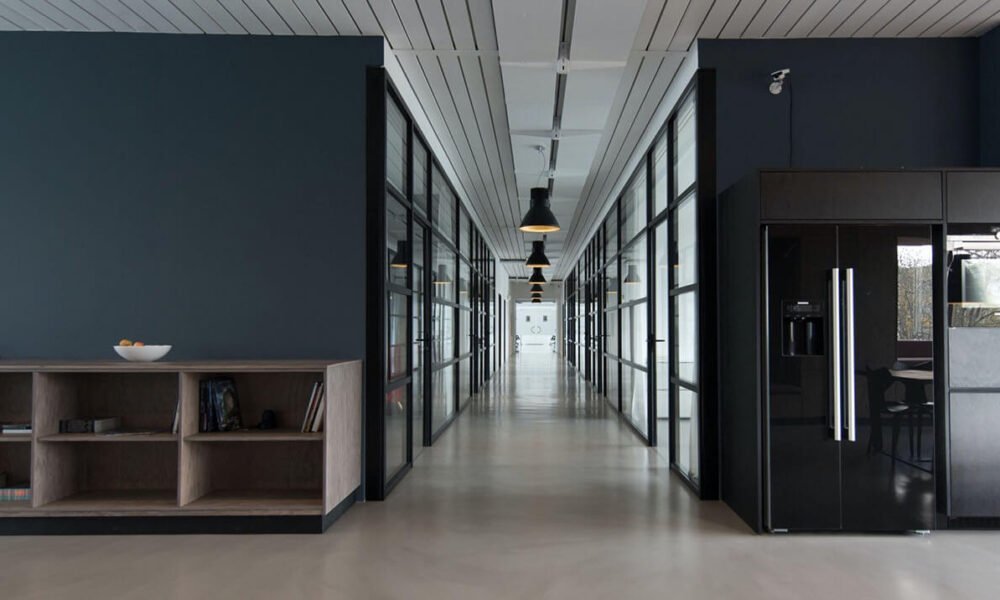
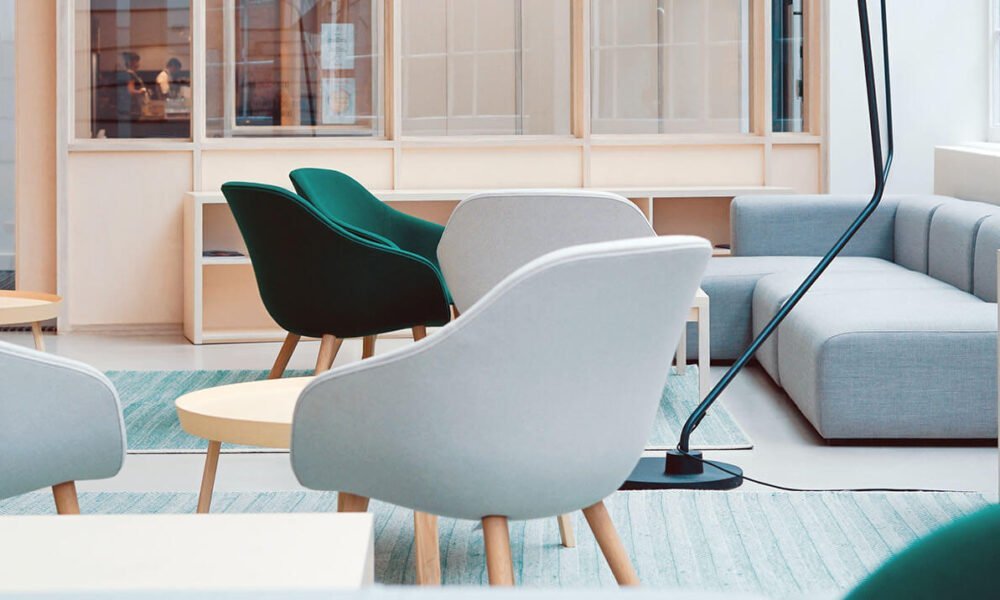
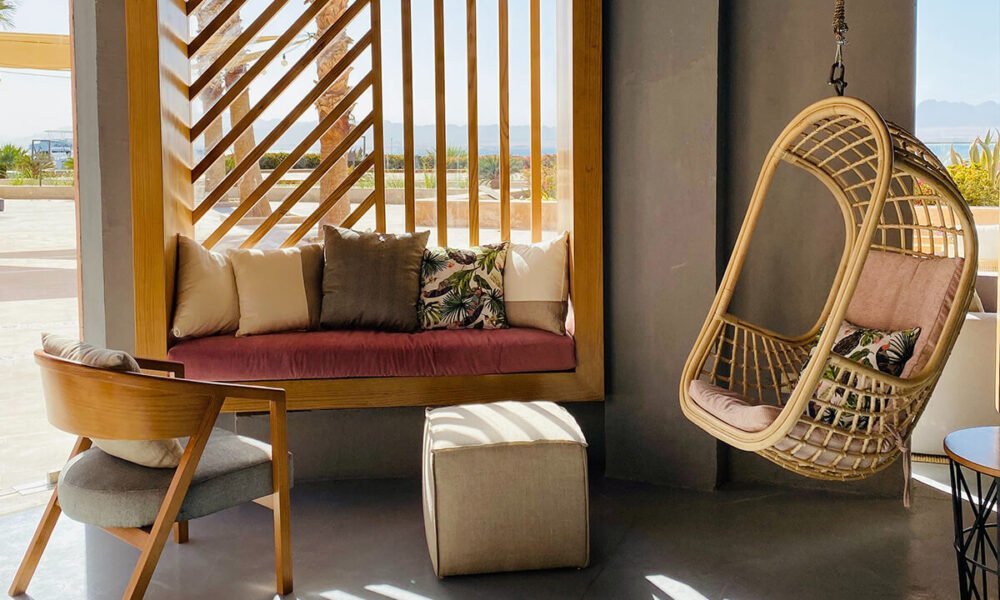
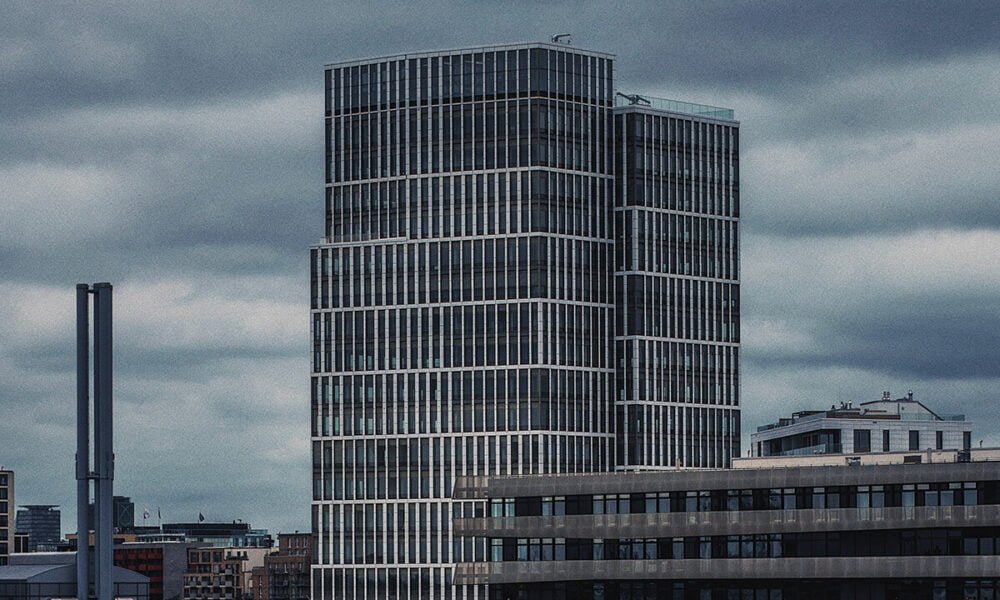
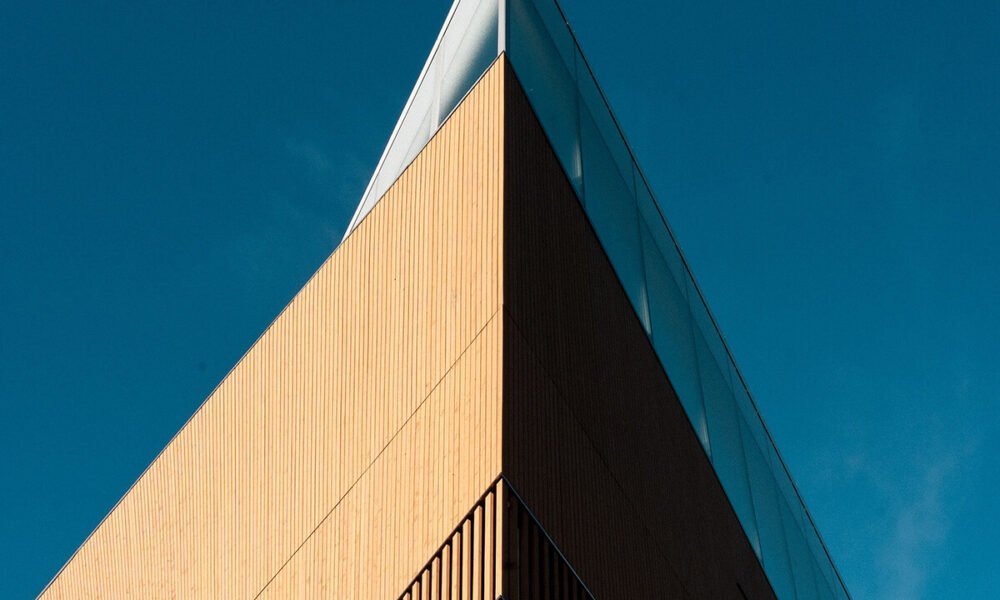
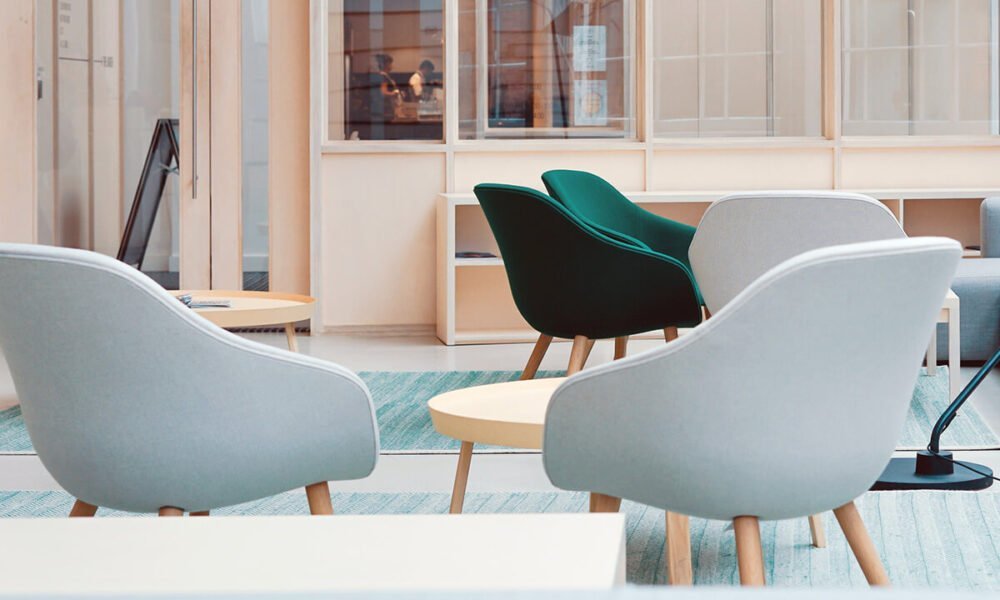
Decoratr’s design philosophy focuses on creating spaces that serve a purpose — blending creativity, comfort, and functionality. We believe that every space should reflect the identity of the business it represents. When your environment aligns with your brand’s vision, it naturally strengthens your reputation and drives better results.
Sustainability as a Long-Term Strategy
The construction industry is undergoing a green revolution — and it’s changing business strategies in profound ways. Companies are now expected to adopt eco-friendly materials, energy-efficient systems, and sustainable building practices not just for compliance, but as a mark of responsibility and innovation.
At Decoratr, we integrate sustainability into every project — using durable materials, optimizing natural light, and designing energy-efficient layouts. For schools and institutions, this not only reduces long-term maintenance costs but also sets an example of environmental responsibility for future generations.
Businesses that prioritize sustainability don’t just save resources — they gain trust, attract eco-conscious clients, and build a brand that stands for more than profit.
Construction as an Experience, Not a Process
In the past, construction was viewed as a tedious process — time-consuming, unpredictable, and stressful. But today, with technology, transparency, and professional project management, it’s evolving into an experience.
At Decoratr, we’ve transformed how clients interact with their projects. Through real-time updates, design walkthroughs, and progress reports, clients stay connected and confident throughout the journey. This collaborative approach builds stronger relationships and smoother workflows, ensuring projects are delivered on time and within budget.
By viewing construction as a customer experience rather than just a project, businesses can enhance trust, loyalty, and long-term partnerships.
Technology Is Redefining the Future of Construction
Technology is now at the heart of construction innovation. From AI-driven design tools and 3D printing to smart materials and IoT-enabled buildings, the future is exciting and limitless.
For example, smart lighting systems that adapt to occupancy, energy-efficient HVAC systems, and digital building monitoring are no longer luxuries — they’re strategic investments. At Decoratr, we embrace modern tools and techniques that make spaces not just beautiful but intelligent and responsive.
Incorporating technology into your construction and design strategy enhances productivity, reduces maintenance, and provides long-term cost savings — giving your business a future-ready edge.
The Rise of Flexible and Adaptive Spaces
One of the biggest shifts in construction and design is the growing need for flexibility. Workplaces are changing rapidly, schools need multi-purpose environments, and homes are doubling as offices or learning spaces.
Modern construction must adapt to these evolving demands. Modular designs, movable partitions, and flexible layouts are becoming essential features of future-ready buildings.
At Decoratr, we specialize in creating adaptable environments that can evolve with your needs — whether it’s transforming a classroom into a workshop or turning an open office into collaborative zones. This flexibility empowers businesses to grow without major structural changes, saving both time and cost.
The Importance of Maintenance and Long-Term Planning
A successful construction project doesn’t end with completion — it continues with maintenance and care. Businesses that integrate maintenance planning into their construction strategy ensure their spaces remain efficient, safe, and appealing for years.
Decoratr offers Annual Maintenance Contracts (AMC) and ongoing support to keep interiors, plumbing, and infrastructure in top condition. This proactive approach minimizes downtime, prevents costly repairs, and extends the lifespan of the property — a crucial element in modern business strategy.
Collaboration Between Design and Business Teams
The future of construction involves deeper collaboration between designers, architects, engineers, and business owners. It’s no longer about simply executing a plan — it’s about co-creating a vision that aligns with operational goals.
At Decoratr, we involve clients in every stage — from planning and material selection to final finishes — ensuring that the design not only looks good but functions perfectly for their business objectives. This synergy between creativity and strategy leads to smarter, more impactful results.
The Role of Branding in Construction
Your physical space is one of your most powerful brand ambassadors. Whether it’s the color palette of a classroom, the layout of an office, or the façade of a commercial building — each element communicates your brand’s personality and values.
At Decoratr, we treat construction as a branding opportunity. Every project is tailored to reflect the client’s story, mission, and vision — making the space not just functional but emotionally connected to its users. A well-designed space tells your story without words — and that’s what modern businesses need.
Conclusion: Building the Future, One Design at a Time
Construction today is no longer just about creating structures — it’s about creating strategies. It’s about building environments that think, adapt, and inspire. Whether you’re a school looking to create better learning spaces, a company aiming for productive offices, or a homeowner dreaming of elegant interiors — the key lies in strategic construction.
At Decoratr, we combine innovation, craftsmanship, and experience to design and deliver projects that redefine how people live and work. The future of business belongs to those who see construction not as an expense but as an investment in transformation.
By embracing modern construction practices, sustainable design, and customer-centric experiences, your business can achieve not just growth — but greatness.

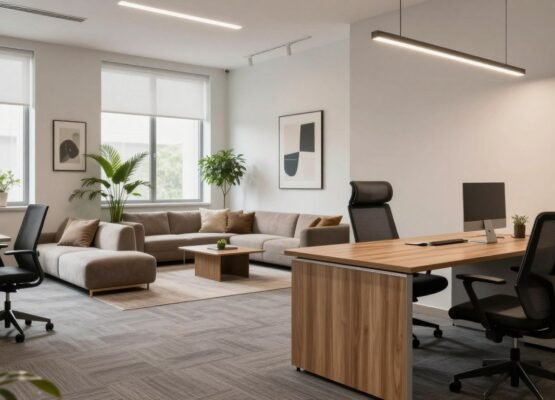
Office Cabin Design.
I still remember the first time I stepped into a workspace that felt built for focus — it changed how I work.
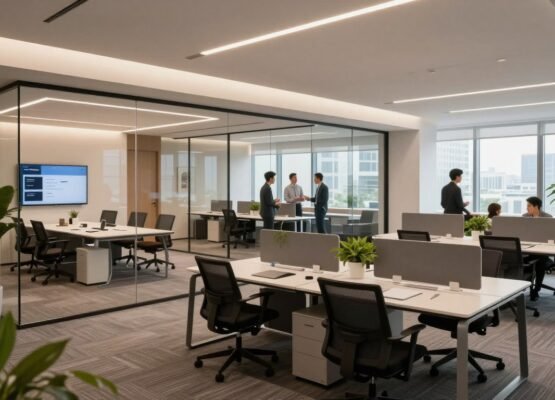
Corporate Interior Design:.
What if your office wasn’t just a place to work? What if it was the reason projects moved faster, meetings were smoother,.