
How to Design a Modern Office Waiting Area

The Importance of First Impressions
Studies show that people form judgments within seconds of entering a new environment. Your waiting area design directly influences how visitors perceive your business’s competence, success, and values. A poorly designed space can create anxiety and impatience, while a well-crafted environment can instill confidence and trust.
Beyond aesthetics, your waiting area serves multiple practical functions. It’s where visitors prepare for meetings, complete paperwork, or decompress between appointments. The right design balances visual appeal with functionality, creating a space that works as good as it looks.
For businesses with limited square footage, smart waiting area design becomes even more crucial. Every element must serve a purpose while maintaining a sense of spaciousness and professionalism.
Key Design Principles for Modern Waiting Areas
Comfort as Priority
Comfort should never be sacrificed for style. Choose seating with proper ergonomic support, especially if visitors might wait for extended periods. Consider the average wait time when selecting furniture—longer waits require more comfortable seating options.
Provide a variety of seating types to accommodate different needs and preferences. Include options for individuals, pairs, and small groups to create a more inclusive environment.


Functionality and Flow
Arrange furniture to create clear pathways that guide visitors naturally through the space. The reception desk should be immediately visible upon entry, with intuitive navigation to seating areas and amenities.
Consider the practical needs of visitors—places to hang coats, surfaces for beverages, accessible power outlets for charging devices, and adequate lighting for reading or working while waiting.
Brand Alignment
Your waiting area should be a physical extension of your brand identity. Incorporate your company colors, materials, and design language in subtle ways throughout the space. For creative businesses, this might mean bold, innovative design elements; for legal or financial firms, it might translate to more refined, traditional aesthetics.
Every element—from furniture style to artwork—should reinforce your brand positioning and values. This creates a cohesive experience that begins the moment visitors enter your space.
Essential Components of a Modern Waiting Area
Seating Selection
The foundation of any waiting area is its seating. Choose pieces that balance aesthetic appeal with practical comfort:
- Opt for commercial-grade furniture designed for high-traffic environments
- Select stain-resistant, easy-to-clean fabrics for longevity
- Consider modular options that can be reconfigured as needed
- Include seating with varying heights and styles to accommodate different preferences
- Ensure adequate space between seating groups for privacy and comfort

Reception Desk Design
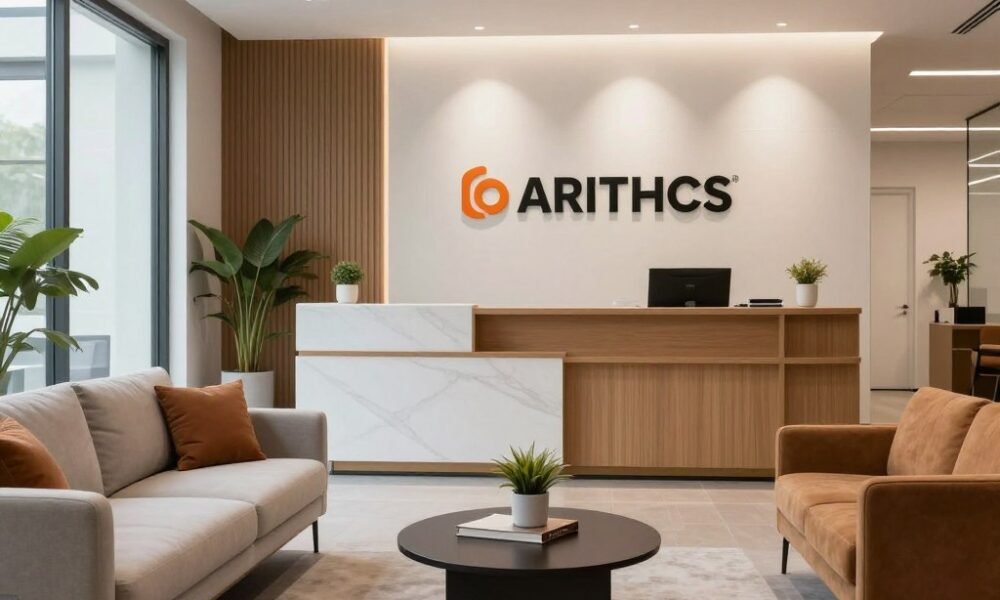
Your reception desk serves as both a functional workspace and a design statement. Consider these factors:
- Position the desk where it’s immediately visible upon entry
- Choose a design that reflects your brand personality—sleek and minimal or substantial and impressive
- Ensure the desk provides adequate workspace for staff while maintaining a welcoming appearance
- Include both standing-height and accessible-height sections when possible
- Incorporate subtle branding elements like your logo or company colors
Lighting Strategy
Effective lighting transforms the atmosphere of your waiting area while serving practical functions:
- Maximize natural light whenever possible—it improves mood and reduces energy costs
- Layer lighting with ambient, task, and accent sources
- Use lighting to highlight architectural features or brand elements
- Consider adjustable lighting systems to adapt to different times of day
- Select fixtures that complement your overall design aesthetic

Color and Material Selection
Your color palette and material choices significantly impact the psychological experience of your waiting area:
- Select a base of neutral colors supplemented with strategic accent colors
- Consider color psychology—blues for calm and trust, greens for growth and wellness
- Choose materials that balance durability with aesthetic appeal
- Mix textures to create visual interest and warmth
- Ensure all materials meet commercial safety standards
Flooring Considerations
Flooring must withstand heavy traffic while contributing to your design vision:
- Select commercial-grade materials designed for high-traffic areas
- Consider noise reduction properties, especially in open-concept spaces
- Choose easy-to-clean options that won’t show wear quickly
- Use area rugs to define spaces and add warmth
- Ensure transitions between different flooring types are smooth and safe
Integrating Technology and Amenities

Essential Tech Elements
Modern waiting areas should incorporate technology that enhances the visitor experience:
- Provide easily accessible power outlets and USB charging ports
- Offer complimentary high-speed Wi-Fi with visible access information
- Consider digital check-in systems to streamline the arrival process
- Use digital displays for company information, news, or entertainment
- Implement subtle background music systems when appropriate
Refreshment Stations
Offering refreshments demonstrates hospitality and helps make wait times more pleasant:
- Create a self-service station with water, coffee, or tea options
- Consider environmentally friendly alternatives to single-use plastics
- Keep the area immaculately clean and well-stocked
- Position refreshments where spills won’t damage furniture or equipment
- Include clear signage inviting visitors to help themselves
Reading Materials and Entertainment
Thoughtfully selected materials help visitors pass time productively:
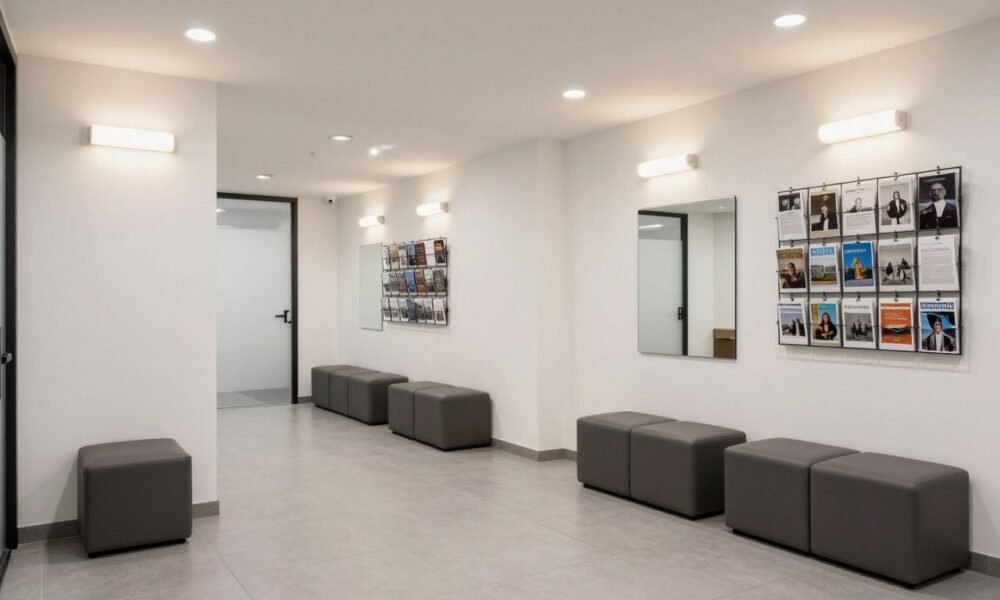
- Offer a curated selection of current magazines and industry publications
- Consider digital alternatives like tablets with preloaded content
- Include materials that highlight your company’s expertise or projects
- Rotate materials regularly to keep content fresh
- Ensure all materials reflect your brand standards and values
Spatial Planning and Layout Strategies
Traffic Flow Optimization
Effective spatial planning creates intuitive navigation through your waiting area:
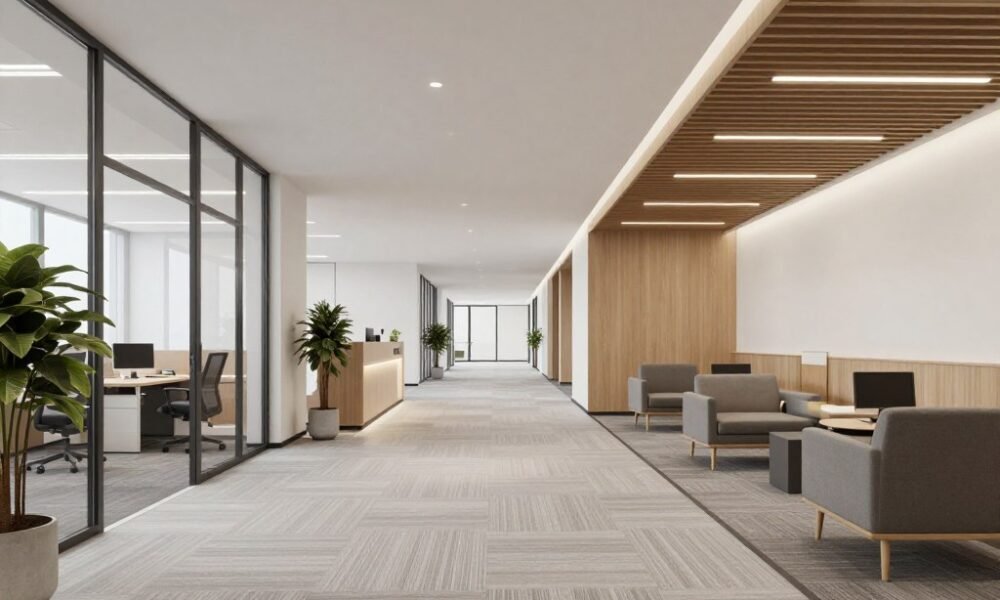
- Create clear pathways between the entrance, reception desk, and seating areas
- Allow at least 36 inches for main walkways
- Position furniture to create natural flow through the space
- Consider accessibility requirements in all layout decisions
- Use flooring patterns or area rugs to subtly define different zones
Zoning for Different Functions
Dividing your waiting area into functional zones enhances its utility:
- Create distinct areas for reception, waiting, and any additional functions
- Consider semi-private areas for filling out forms or making calls
- Designate quiet zones and more social areas when space allows
- Use furniture arrangement, lighting, and design elements to define zones
- Ensure each zone transitions smoothly into adjacent areas
Space-Saving Solutions
For smaller offices, maximize functionality without creating crowded conditions:
- Choose multi-functional furniture pieces (storage ottomans, nesting tables)
- Utilize vertical space with wall-mounted elements
- Select appropriately scaled furniture—oversized pieces overwhelm small spaces
- Use mirrors and lighting to create the illusion of more space
- Maintain some open space to prevent a cluttered appearance
Incorporating Branding Elements
Subtle Brand Integration
Effective branding in waiting areas should feel organic rather than overwhelming:
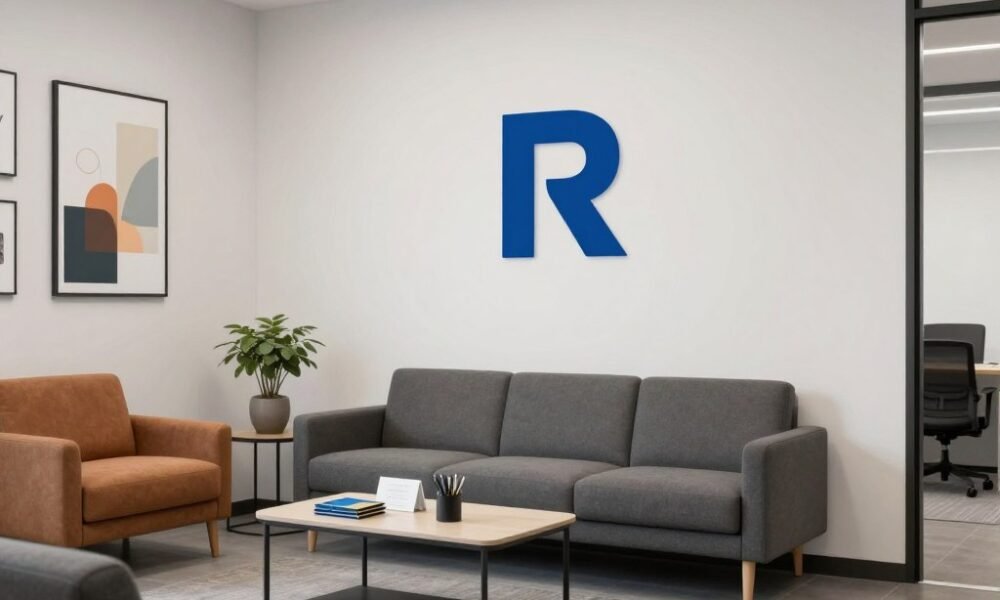
- Incorporate your logo in one focal area rather than throughout the space
- Use your brand color palette in accent pieces rather than dominant elements
- Select artwork and decorative elements that reflect your brand values
- Consider custom elements that tell your company’s story
- Ensure all branded elements maintain professional quality
Visual Storytelling
Use your waiting area to communicate your company narrative:
- Display project highlights or case studies in an elegant, non-promotional way
- Consider a tasteful timeline or heritage wall for established companies
- Use digital displays for dynamic content about your work or mission
- Incorporate elements that reflect your industry or specialization
- Ensure all visual elements maintain a cohesive aesthetic
Environmental Graphics
Strategic use of graphics can enhance both aesthetics and branding:
- Consider custom wall treatments featuring subtle brand patterns
- Use dimensional signage for company name or inspirational messaging
- Implement wayfinding graphics that complement your brand identity
- Balance graphic elements with clean space to avoid visual overload
- Ensure all graphics maintain professional production quality

Incorporating Biophilic Elements
Biophilic design—connecting interior spaces with nature—has been proven to reduce stress, improve cognitive function, and enhance overall wellbeing. In waiting areas, these elements create a more calming, restorative environment:
Living Plants
Incorporate greenery strategically throughout your waiting area:
- Select low-maintenance varieties suitable for indoor environments
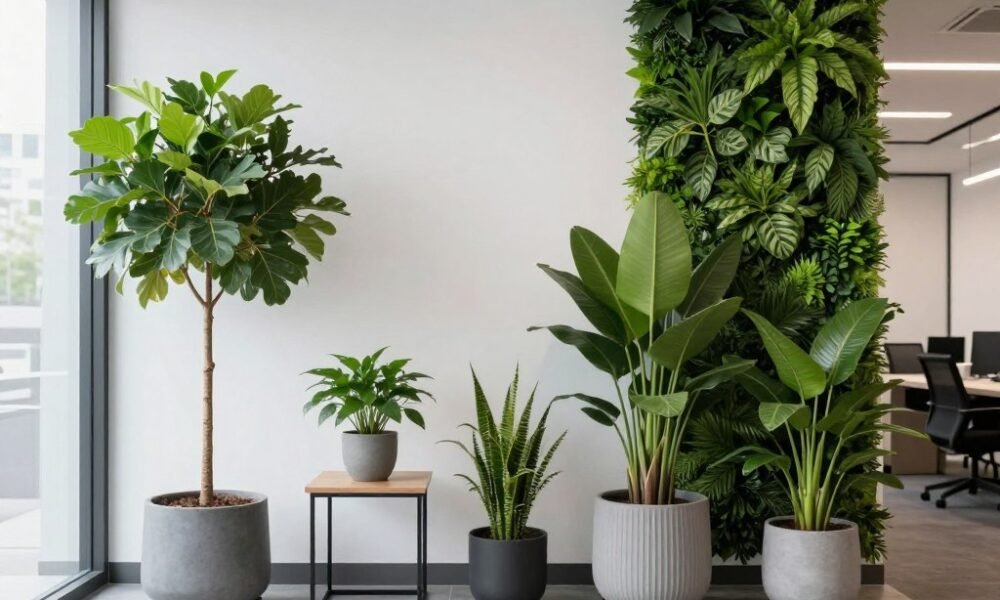
- Use plants of varying heights and textures for visual interest
- Consider larger statement plants for empty corners or as dividers
- Ensure all planters complement your overall design aesthetic
- Implement a regular maintenance schedule to keep plants healthy
Natural Materials
Incorporate elements that bring the outdoors inside:
- Use wood, stone, or other natural materials in furniture and architectural elements
- Select textiles with organic patterns or textures
- Consider water features for their visual and acoustic benefits
- Maximize natural light through windows or skylights
- Choose artwork depicting natural scenes or elements
Sensory Considerations
Address all senses to create a holistically pleasant environment:
- Consider subtle, natural scents to create a fresh atmosphere
- Use sound-absorbing materials to manage acoustics
- Incorporate pleasant ambient sounds when appropriate
- Ensure temperature and air quality are consistently comfortable
- Select textures that invite touch and create warmth
Creating Your Ideal Modern Office Waiting Area
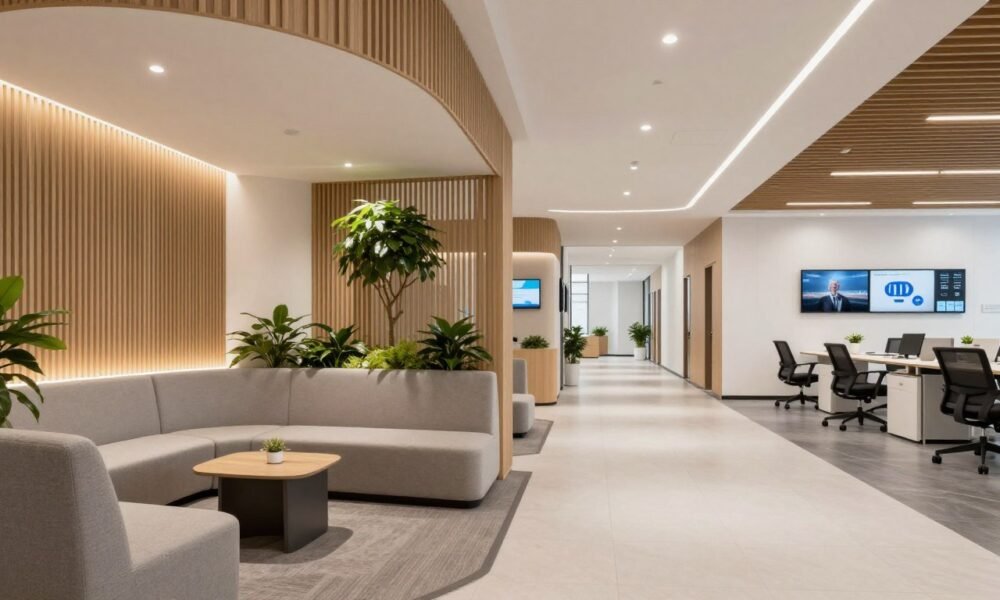
A thoughtfully designed waiting area is an investment in your company’s image and client experience. By applying the principles outlined in this guide, you can create a space that not only impresses visitors but also functions efficiently for both guests and staff.
Remember that your waiting area should evolve with your business. Periodically reassess its effectiveness and be willing to make updates as your company grows and changes. Even small improvements can significantly enhance the visitor experience.
The most successful waiting areas balance aesthetic appeal with practical functionality, creating spaces that are both beautiful and useful. By paying attention to details—from lighting and materials to technology and comfort—you can design a waiting area that truly represents your brand and welcomes visitors in style.
Need Expert Help With Your Waiting Area Design?
Our team of experienced interior designers specializes in creating modern office waiting areas that make powerful first impressions. Contact us today for a consultation to transform your reception space.

Office Interior Design.
Office Interior Design for Law Firms: The interior design of a law firm’s office plays a pivotal role in shaping the firm's.

Office Interior Designers.
Looking to boost team output and make a stronger brand impression — without guesswork? Our commercial workspace teams deliver measurable productivity gains,.