
How to Choose the Best Office Wall Paint Colors for a Productive Workspace
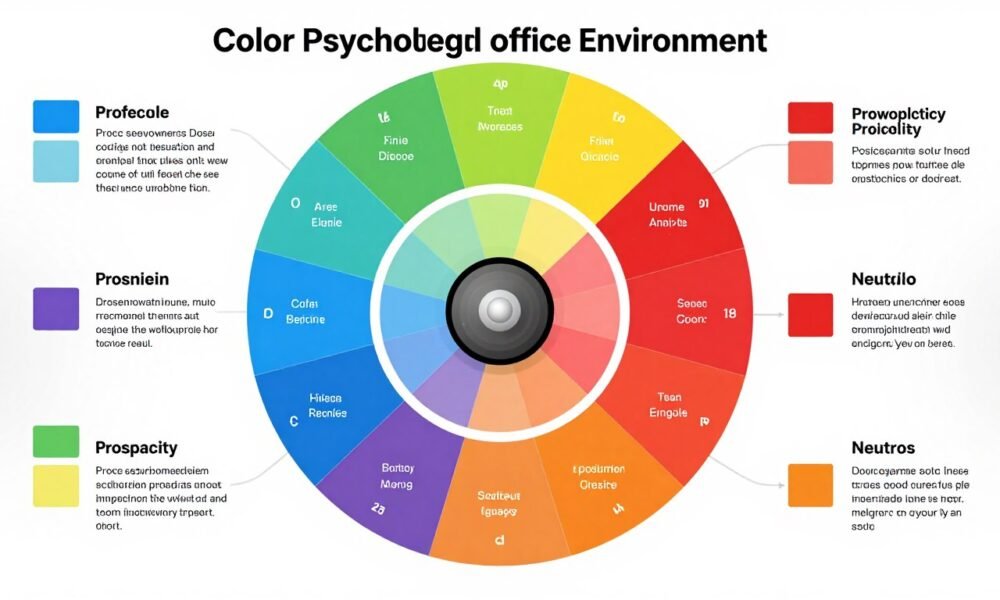
The Psychology of Color in Office Environments
Before diving into specific color recommendations, it’s important to understand how different hues affect our mental state and work performance. Color psychology plays a crucial role in creating an optimal office atmosphere.
Different colors evoke distinct emotional and psychological responses in office settings
How Colors Affect Workplace Mood and Productivity
- Blue: Promotes focus, efficiency, and logical thinking. Blue office wall paint colors are ideal for high-concentration areas.
- Green: Creates balance and harmony. Green shades reduce eye strain and foster a sense of well-being.
- Yellow: Stimulates creativity, optimism, and energy. Perfect for brainstorming spaces and creative departments.
- Red: Increases energy and creates urgency. Use sparingly as accents to avoid overwhelming the space.
- Purple: Evokes luxury and creativity. Deeper shades add sophistication while lighter tones inspire innovation.
- Orange: Combines energy and enthusiasm. Ideal for collaborative spaces that need a vibrant atmosphere.
- Neutrals: Provide versatility and timelessness. Grays, beiges, and whites create professional backdrops that don’t distract.
- Earth tones: Ground the space and create warmth. Browns and terracottas add stability and comfort.
Top Office Wall Paint Colors for Different Workspace Types
Different areas within an office serve unique purposes and therefore benefit from specific color palettes. Here are our recommendations for various workspace environments:
Colors for Focus and Concentration

Blue and gray office wall paint colors create a calm, focused environment
For areas where deep concentration is essential, such as private offices or focused work zones, consider these office wall paint colors:
Classic Blues
Navy blue, steel blue, and powder blue all promote clear thinking and mental focus. These colors reduce distractions and create a sense of calm efficiency.
Sophisticated Grays
Light to medium gray tones provide a neutral backdrop that minimizes visual noise. Pair with white trim for a clean, professional look that aids concentration.
Muted Greens
Sage, olive, and forest green reduce eye strain during long work sessions and create a connection to nature that improves mental clarity.
Colors for Creativity and Collaboration
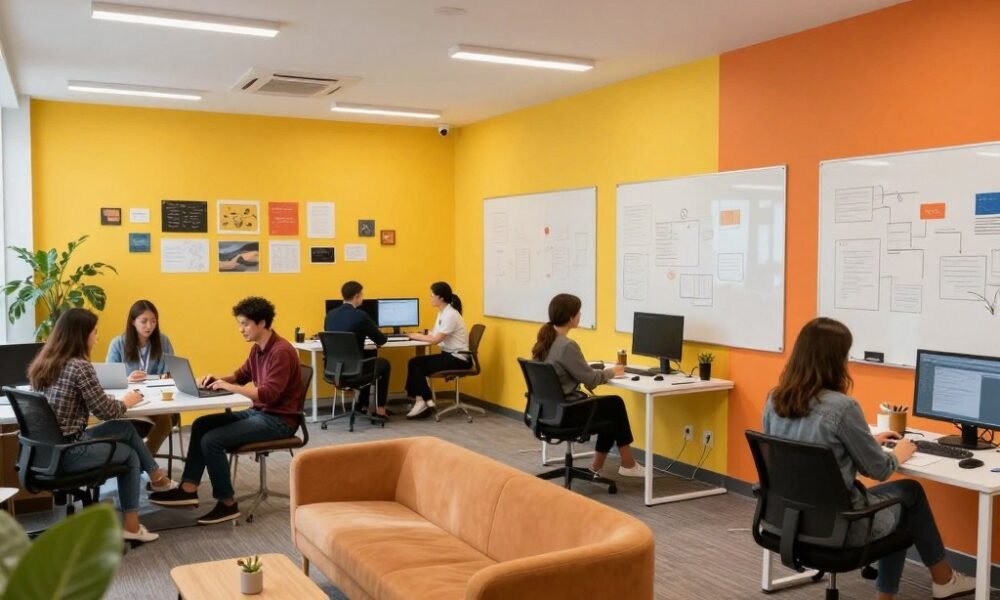
Energizing colors like yellow and orange stimulate creative thinking in collaborative spaces
For brainstorming rooms, creative departments, and collaborative areas, these energizing office wall paint colors can stimulate innovation:
Vibrant Yellows
Sunshine yellow, buttercream, and golden hues activate the mind and promote optimistic thinking, perfect for spaces where new ideas are generated.
Balanced Oranges
Coral, terracotta, and peach tones combine the energy of red with the cheerfulness of yellow, creating an atmosphere of enthusiasm and creativity.
Inspiring Purples
Lavender, lilac, and mauve stimulate both sides of the brain, making them excellent choices for design teams and marketing departments.
Professional and Versatile Neutrals
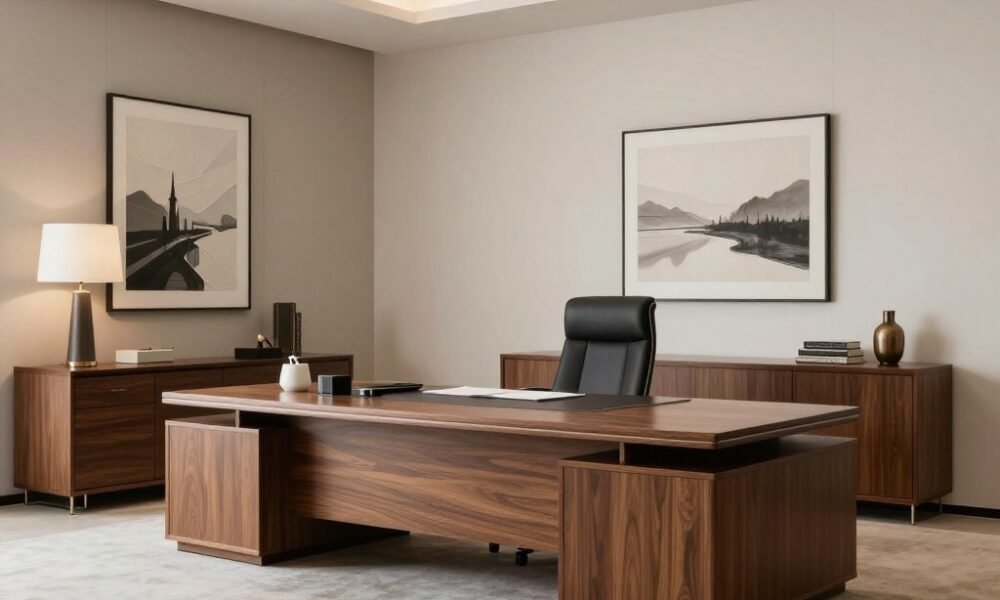
Neutral office wall paint colors create a timeless, professional atmosphere
For reception areas, conference rooms, and client-facing spaces, these neutral office wall paint colors provide a sophisticated foundation:
Crisp Whites
Pure white, off-white, and ivory create bright, clean spaces that feel open and professional. These versatile backgrounds work with any accent color or furniture style.
Warm Beiges
Taupe, sand, and cream offer warmth without being distracting. These colors create inviting environments that put clients and team members at ease.
Cool Grays
Light gray, silver sage, and platinum provide modern sophistication and pair beautifully with both warm and cool accent colors.
Expert Tips for Selecting the Perfect Office Wall Paint Colors
Beyond understanding color psychology, several practical considerations can help you make the best choice for your specific office environment:
Consider Natural Light and Office Orientation
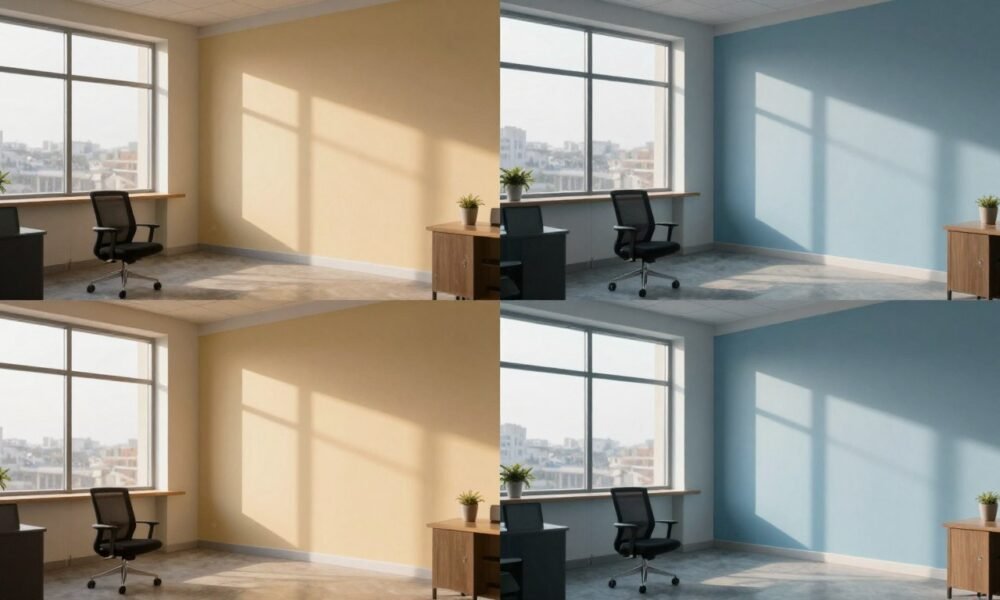
The same paint color can appear dramatically different depending on natural light conditions
North-Facing Offices
These spaces receive cooler, bluish light. Warm up these rooms with:
- Warm beiges and creams
- Soft yellows and golds
- Terra cottas and warm neutrals
South-Facing Offices
These spaces enjoy warm, consistent light throughout the day. Balance with:
- Cool blues and greens
- Soft grays with blue undertones
- Crisp whites that won’t yellow
East-Facing Offices
These receive bright morning light but cooler afternoon light. Consider:
- Versatile medium-toned neutrals
- Soft greens that work in changing light
- Warm grays that balance throughout the day
West-Facing Offices
These spaces get intense afternoon sun. Balance with:
- Cool blues and lavenders
- Soft greens that won’t look too yellow
- Light neutrals that won’t intensify the warmth
Align with Brand Identity and Office Furniture
Your office wall paint colors should complement your company’s branding and existing furniture. Consider these approaches:
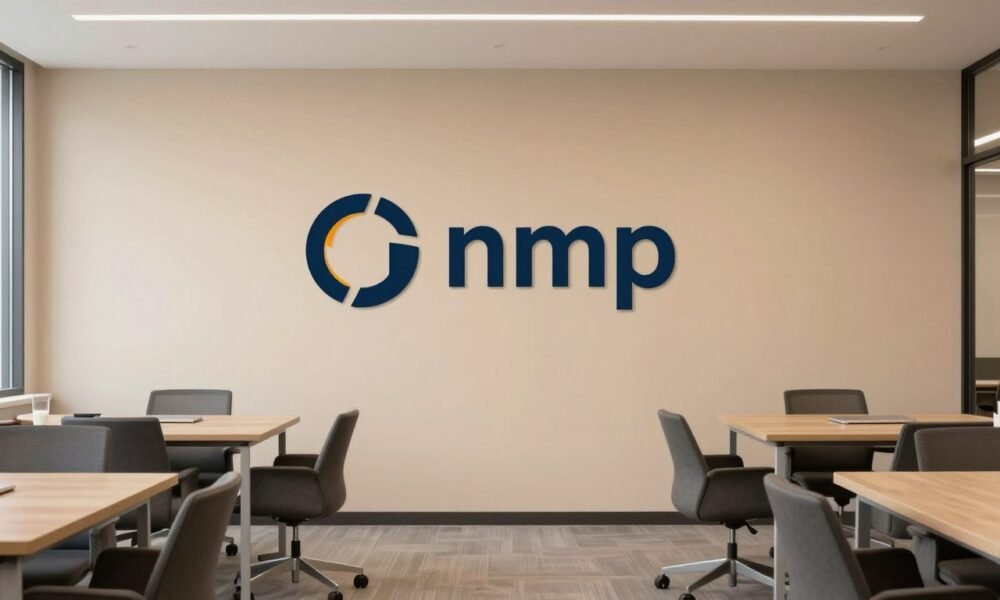
Harmonizing wall colors with your brand identity creates a cohesive workspace
- Brand-Aligned Colors: Incorporate subtle versions of your brand colors as accents or feature walls to reinforce company identity.
- Furniture Complementation: Choose wall colors that enhance your existing furniture. Dark wood furniture pairs well with lighter walls, while light furniture can be balanced with deeper wall tones.
- Cohesive Color Story: Create a consistent color narrative throughout your office by using variations of the same color family in different areas.
Strategic Use of Accent Walls
Accent walls can add visual interest and define different functional areas without overwhelming the space:
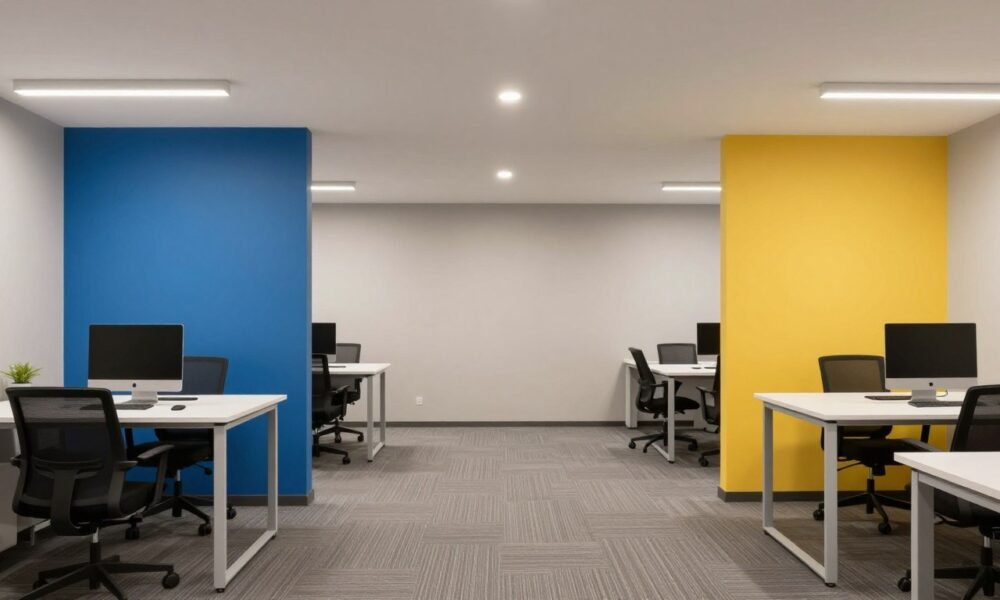
Accent walls can define different functional zones within an open office layout
- Focus Wall: Place an accent wall behind the main focal point in a room, such as behind a reception desk or conference table.
- Zone Definition: Use different accent colors to visually separate areas in an open office plan.
- Balance Bold Colors: If using vibrant hues, limit them to one wall and balance with neutral tones on remaining walls.
Paint Finish Considerations for Office Spaces
The finish of your paint can impact both aesthetics and functionality:
Matte/Flat
Hides wall imperfections and reduces glare, making it ideal for focus areas. However, it’s less durable and harder to clean.
Eggshell/Satin
Offers a subtle sheen with good durability and cleanability. Perfect for most office walls, especially in high-traffic areas.
Semi-Gloss/Gloss
Highly durable and easy to clean, making it suitable for trim, doors, and areas that need frequent cleaning. The reflective quality can enhance light in darker spaces.
Trending Office Wall Paint Colors for 2026
Stay current with these contemporary office color trends that balance professionalism with modern aesthetics:
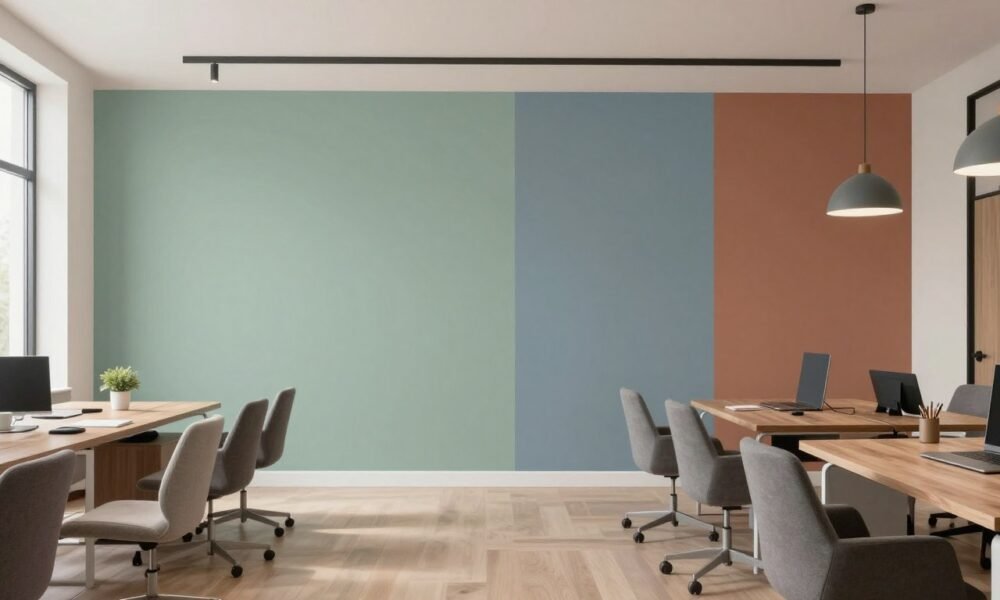
2026 office color trends emphasize nature-inspired hues and sophisticated neutrals
Biophilic Blues and Greens
Nature-inspired colors like sage green, eucalyptus, and ocean blue create calming environments that support well-being and reduce stress.
Warm Minimalism
Soft terracottas, clay tones, and warm neutrals add comfort to minimalist office designs, creating spaces that feel both clean and inviting.
Sophisticated Darks
Deep navy, charcoal, and forest green add drama and sophistication to executive offices and meeting rooms when used strategically.
Effective Office Wall Paint Color Combinations
Creating harmonious color schemes can enhance the overall aesthetic of your office. Here are some proven combinations:
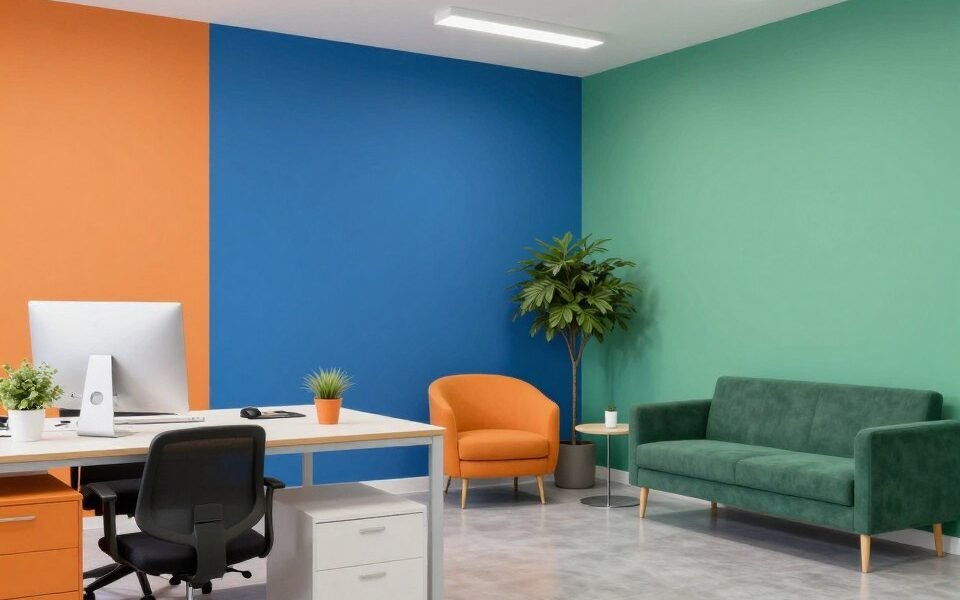
Thoughtful color combinations create visual harmony in office environments
Classic Combinations
- Navy blue with warm white and gold accents
- Charcoal gray with soft yellow highlights
- Forest green with cream and wood tones
Contemporary Pairings
- Sage green with terracotta and natural linen
- Slate blue with soft coral and light gray
- Warm taupe with dusty blue and brass accents
Bold Statements
- Charcoal walls with white trim and yellow furniture
- Deep teal with copper and cream accents
- Soft gray with purple and silver highlights
Application Tips for Office Wall Paint Projects
Ensure a successful office painting project with these practical implementation strategies:
Planning Your Office Painting Project
- Test Before Committing: Always test paint samples on your actual walls and observe them at different times of day before making a final decision.
- Consider Workflow Disruption: Plan painting during off-hours or weekends to minimize business interruption.
- Create a Cohesive Flow: Ensure colors transition logically between connected spaces for a harmonious overall look.
Professional vs. DIY Considerations
- Scale Assessment: For large offices, professional painters can complete the job more efficiently and with better results.
- Quality Matters: Invest in high-quality paint that will look better and last longer, reducing the need for frequent touch-ups.
- Proper Preparation: Whether DIY or professional, proper wall preparation (cleaning, patching, priming) is essential for a flawless finish.
Real-World Office Color Transformations
See how thoughtful color choices have transformed these office environments:
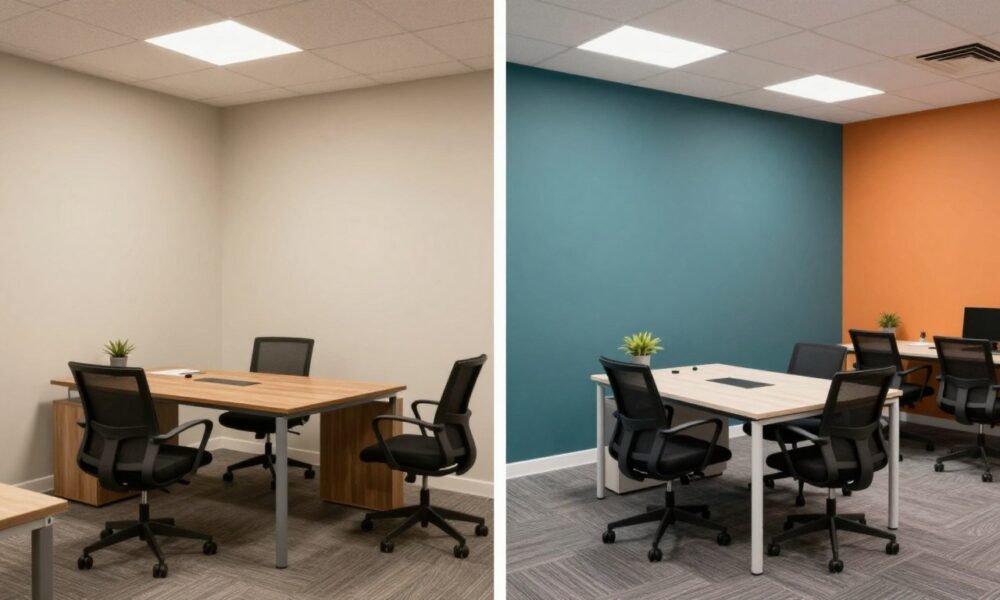
Before and after: How strategic color choices transformed this collaborative workspace
Creative Agency Makeover
A digital marketing firm transformed their open office by using a palette of soft white walls with strategic accent walls in their brand colors. The result was a 20% increase in reported employee satisfaction and a more cohesive brand experience for visiting clients.
Law Firm Refresh
A traditional law practice updated their dated beige walls with a sophisticated combination of deep navy in conference rooms, light gray in offices, and warm white in common areas. The modern yet professional color scheme helped attract younger talent while maintaining their established reputation.
Creating Your Perfect Office Color Palette
Selecting the right office wall paint colors is a balance of science, art, and practical considerations. The perfect palette should reflect your brand identity, support the type of work being done, and create an environment where people feel both comfortable and productive. Remember that colors can be easily updated as needs change, making paint one of the most cost-effective ways to transform your workspace.
Whether you’re designing a home office, refreshing a small business space, or planning colors for a corporate headquarters, thoughtful color selection can significantly impact the success of your work environment. Take time to consider the psychological effects, practical aspects, and aesthetic appeal of your choices to create a space that truly works for everyone who uses it.
Need Help Selecting the Perfect Office Wall Paint Colors?
Our design experts can help you create a customized color palette that enhances productivity and reflects your brand identity. Schedule a free consultation today!
Frequently Asked Questions About Office Wall Paint Colors
What are the best office wall paint colors for productivity?
Blues and greens are generally considered the best office wall paint colors for productivity. Blue promotes focus and efficiency, while green reduces eye strain and creates balance. For analytical work, cool blues work best, while creative tasks may benefit from energizing greens or strategic use of yellow accents.
How do I choose office wall paint colors that won’t quickly look dated?
For longevity, choose sophisticated neutrals for large wall areas and add trendier colors through accents that can be easily updated. Timeless options include soft whites, light to medium grays, and warm beiges. These create a versatile backdrop that can be refreshed with different accent colors as trends evolve.
What paint finish is best for office walls?
Eggshell or satin finishes are generally best for office walls. They offer a subtle sheen that’s more durable and easier to clean than flat/matte finishes, without the high reflectivity of semi-gloss or gloss. In high-traffic areas or spaces that need frequent cleaning, a satin finish provides the ideal balance of appearance and practicality.
How can I use office wall paint colors to make a small space feel larger?
Light colors generally make spaces feel larger. Choose soft whites, pale blues, or light greens for walls. To add depth without closing in the space, consider painting one wall in a slightly deeper shade of the same color. Maintaining consistency in color temperature (all warm or all cool tones) also helps create a sense of spaciousness.

How to Create.
How to Create a Flexible Workspace: The traditional 9-to-5 office model, characterized by assigned cubicles and rigid schedules, is rapidly becoming a.
Seven Secrets About Interior.
Interior design is more than furniture, colors, or decor — it’s the art of turning spaces into experiences. Most people think great.