
Office Work Station Design That Balance Comfort, Aesthetics, and Function
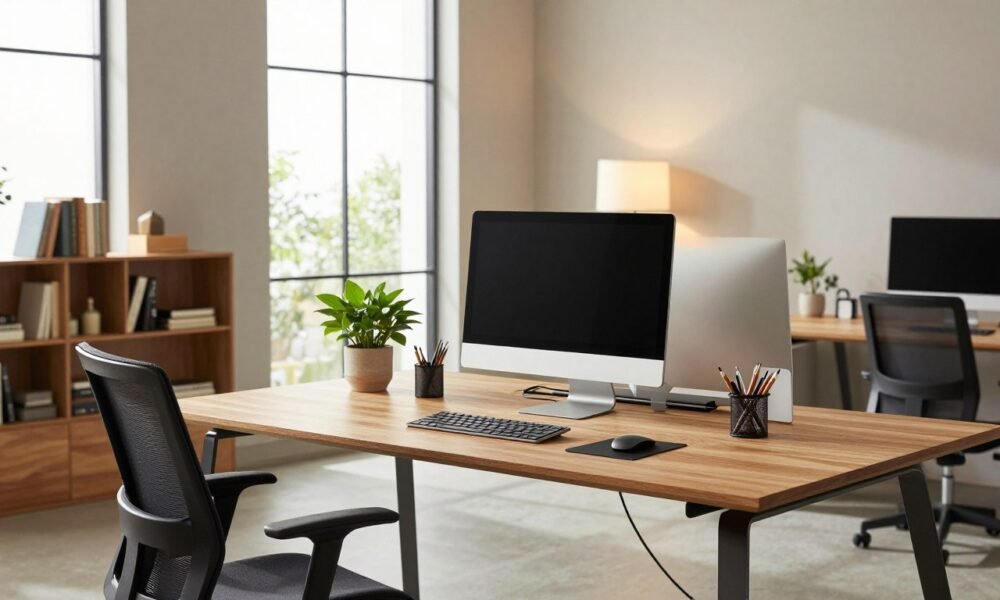
Ever thought your desk setup might be hurting your focus and health? Many of us spend hours at our desks without noticing how our surroundings affect us.
We’re here to help you create a space that boosts your productivity, comfort, and style. It’s not just about where you put your furniture. It’s about making a personal space that helps you do your best work.
Whether you’re in a Mumbai apartment or a Bengaluru office, the right setup is key. Our guide covers everything from ergonomic basics to personal touches that inspire.
We’ll show you how to turn any space into a productive workspace. From home offices to corporate settings, small changes can make a big impact. Let’s work together to make your workdays more successful and enjoyable.
Key Takeaways
- Your physical workspace directly impacts your productivity and physical health.
- Good design combines ergonomic principles with personal inspiration.
- Effective setups work for both home environments and corporate spaces.
- Small, thoughtful upgrades can transform your daily work experience.
- Creating a personalized command center supports sustained focus and comfort.
- The right environment turns your desk into a powerhouse for getting things done.
Why Your Workstation Design Matters More Than You Think
Many Indian professionals work long hours. Yet, few think about how their desk setup affects their results and health. We often see our workstation as just a backdrop. But, it plays a big role in our work life.
A good design isn’t just about looks. It boosts productivity, keeps us healthy, and shows our professional image.
The Connection Between Workspace and Productivity
Clutter on your desk can mess with your mind. A messy space makes your brain work harder. This takes away from deep focus.
On the other hand, an organized desk helps you work better. You can focus on your tasks without distractions. This is key for a productivity-boosting workspace.
“We shape our buildings; thereafter they shape us.” Winston Churchill’s words are true for our workspaces. The design of our space affects how we work and what we achieve.
Ever noticed how better when your desk is tidy? That’s because a clean space helps you start work faster. It’s how our environment affects us.
A well-designed station makes you more efficient. It helps you work better from the start.
Impact on Employee Health and Well-being
Bad design can hurt your body. A bad chair can strain your back all day. A monitor too low can hurt your neck.
These problems can lead to long-term health issues. They can make you sick more often.
A bad space can also hurt your mood. It can make you feel stressed and tired. This lowers your job happiness.
Investing in good ergonomics is good for your team’s health. It helps them stay healthy and work longer.
| Design Aspect | Well-Designed Workstation Impact | Poorly Designed Workstation Impact |
|---|---|---|
| Chair & Posture | Supports spine, reduces back pain, promotes circulation. | Causes slouching, leads to chronic back/neck pain. |
| Monitor Placement | Eye-level screen reduces neck strain and eye fatigue. | Neck bending causes headaches and long-term strain. |
| Desktop Organization | Clear space reduces mental clutter and stress. | Visual chaos increases anxiety and distraction. |
| Lighting | Ample, glare-free light prevents eye strain and boosts mood. | Dim or harsh lighting causes headaches and drowsiness. |
First Impressions and Professional Image
Your workstation speaks without words. It shows visitors your level of organization and professionalism. A messy desk can make you seem disorganized.
A clean, organized desk tells a different story. It shows you value your work and are committed to quality. It shows you’re in control and efficient.
Seeing your workstation as a tool is key. It affects your focus, health, and how others see you. The benefits are too big to ignore.
Foundations of Office Work Station Design
Designing an office workstation is more than just picking furniture. It’s about understanding human needs and fitting the design to the local context. Skipping to furniture shopping can lead to a space that looks good but doesn’t work well. We create lasting, functional spaces by first understanding the core design principles.
This foundation turns a simple desk area into a productivity powerhouse. Let’s explore the key principles for creating an efficient office layout that fits your team perfectly.
The Human-Centered Design Approach
Every great workspace starts with a simple idea: design for people, not just looks. Human-centered design flips this idea. It begins by observing how employees work, move, and interact.
We ask questions like: Where do they feel uncomfortable? How do teams naturally collaborate? What tools do they always use? The answers guide our design. This approach focuses on ergonomics, flow, and psychological comfort over decoration.
“Good design is actually a lot harder to notice than poor design, in part because good designs fit our needs so well that the design is invisible.”
When we prioritize the human experience, we create spaces where employees thrive.
Key Design Principles for Indian Workspaces
Global design principles need to be adapted for local needs. The Indian office environment has unique challenges and opportunities. A successful design respects space, climate, and cultural work styles.
Here are strategies tailored for Indian offices:
| Design Principle | Indian Workspace Challenge | Practical Solution |
|---|---|---|
| Space Optimization | Limited square footage in urban centers; need for multi-use areas. | Use vertical storage, modular furniture, and foldable desks. Create flexible zones for individual focus and team huddles. |
| Climate Responsiveness | High heat and humidity for much of the year; need for ventilation and cooling. | Choose breathable fabrics, add indoor plants for cooling, and prioritize layouts for cross-ventilation and natural light. |
| Culturally Fluid Collaboration | Work styles that blend formal meetings with informal chats. | Design a mix of formal meeting rooms and casual “breakout” corners. Avoid overly rigid, silent open plans. |
| Technology Integration | High reliance on devices; frequent power fluctuations. | Plan for abundant, well-placed power outlets and robust cable management. Consider built-in surge protection and centralized charging stations. |
Adapting Global Trends to Local Needs
The latest global office trends are exciting, but copying them blindly can fail. The magic happens when we adapt them to our local context.
Take biophilic design (bringing nature indoors). In a dense Indian city, a large indoor garden might not be feasible. Instead, use vertical green walls, desk plants, and natural materials to create a natural feel without wasting space.
Similarly, the agile workspace trend promotes hot-desking and free movement. In India, where personal territory is important, a direct copy may cause stress. The smart adaptation is to provide a mix: assigned base desks for security, plus shared “touch-down” spots for different tasks.
By filtering global ideas through local reality, we get a workspace that is both modern and authentically suited to our team’s way of working. This thoughtful adaptation is the final, crucial layer in building a truly effective and efficient office layout.
Ergonomic Furniture: Your Foundation for Comfort
Ergonomic furniture is not just a luxury; it’s essential for a healthy workspace. It helps prevent fatigue, strain, and keeps you focused. We’ll look at the key pieces: your chair and desk.
The Perfect Office Chair: What to Look For
Your chair is like a personal support system for the day. The right one fits you, not the other way around. Let’s explore what makes a chair truly ergonomic.
Adjustability Features That Matter
Static chairs can be a compromise for your body. A good ergonomic chair adjusts to fit you perfectly. This keeps your posture neutral.
Look for these non-negotiable features:
| Feature | Why It Matters | What to Check |
|---|---|---|
| Lumbar Support | Supports the natural curve of your lower spine, preventing slouching and back pain. | Adjustable height and depth is ideal for a personalized fit. |
| Seat Depth | Ensures proper blood flow to your legs. Your knees should not press against the seat edge. | Look for a slider that lets you change the seat pan length. |
| Armrests | Takes weight off your shoulders and neck, reducing upper body tension. | They should adjust in height, width, and ideally pivot to follow your arm’s movement. |
| Seat Height | Allows your feet to rest flat on the floor with thighs parallel to it. | A pneumatic lever is standard for easy, on-the-fly adjustments. |
| Backrest Tilt & Tension | Enables dynamic sitting, allowing you to recline slightly to shift pressure. | A locking mechanism and adjustable recline tension are highly beneficial. |
Material Choices for Indian Climate
In India’s varied climate, chair material is key for comfort and durability. The wrong material can be sticky or trap heat.
Mesh backs are great for breathability. They keep you cool. For the seat, a cushioned fabric with breathability is often the best choice.
Leather and faux leather may look premium but can cause sweating in hot environments. Make sure your workspace is well-ventilated.
https://www.youtube.com/watch?v=XIAwAUXS8ZE
Desk Ergonomics: Beyond Basic Height
Your desk is your command center. While a 29-inch height is a good start, true ergonomics considers your entire upper body and workflow.
Depth and Width Considerations
Desk depth is key for monitor placement. A shallow desk can strain your eyes and neck.
For one monitor, aim for a minimum depth of 24 inches (60 cm). For dual monitors or a laptop with an external screen, go for 30 inches (75 cm) or more. This ensures the screen is at least an arm’s length away.
Width affects your task variety. A width of 48 to 60 inches (120-150 cm) gives space for your computer, notepad, and phone. It helps keep your workspace organized.
Edge Design and Comfort
You might not think about the desk edge until your wrists rest against it for hours. A sharp edge can hurt your forearms, causing discomfort and nerve pressure.
Look for desks with a rounded or beveled front edge. Some desks even have a dedicated comfort edge or a soft, padded lip. This small detail greatly improves typing comfort and prevents arm marks.
Choosing the right ergonomic office furniture is crucial. It provides the foundation for physical support, upon which everything else—technology, lighting, decor—rests.
Modern Office Layout Strategies That Work
In today’s world, a well-thought-out modern office layout is key to success. It guides how people move, work together, and focus. A good layout supports your team’s work, not hinders it.
Open Plan vs. Private Office Considerations
The choice between open-plan offices and private rooms is crucial. Each has its own benefits for different work styles in Indian businesses.
Open-plan offices encourage teamwork and save space, which is important in crowded cities. But, they can be noisy, especially in places where talking is common.
Private offices are great for focused work or private calls. They offer privacy and status, important for leaders. Most companies now use a hybrid approach.
- Activity-Based Working: Set up areas for different tasks—open desks for teamwork, phone booths for calls, and quiet rooms for focus.
- The 70/30 Rule: Plan 70% of the space for teamwork and 30% for private work.
- Acoustic Planning: Use panels, carpets, and furniture to control noise in open areas.
The best layouts offer choices. They let people pick the right environment for their task.
Creating Efficient Work Zones
A smart modern office layout divides space into zones for different work types. Think of your office as a mix of specialized areas.
Focus Zones are for deep work. They need quiet, good lighting, and comfy chairs. Place them away from busy areas.
Collaboration Zones are for teamwork. They have flexible furniture, whiteboards, and tech for sharing. In India, these areas often have informal seating for easy chats.
Regeneration Zones are for breaks. A cozy lounge with plants and light is essential for mental breaks. Even a small balcony or coffee corner can refresh people.
Traffic Flow and Accessibility Planning
How people move through your office affects their day. Bad planning can cause delays and frustration.
We start by mapping out paths between key spots: entryways, workstations, meeting rooms, and common areas. Make sure main paths are wide enough for two people to pass easily.
Accessibility is key to good design. Ensure wheelchair access to all areas, including:
- Wide doorways (at least 36 inches)
- Ramped access where there are level changes
- Adjustable-height desks in shared areas
- Clear floor space around all furniture and equipment
In India, we also consider cultural space needs. Give enough personal space around workstations. This respects comfort while keeping everyone connected in an open modern office layout.
Desk Organization Systems That Actually Work
A messy desk is not just a mess; it’s a mental block that slows you down. The right desk organization ideas turn your desk into a tool for success. We’ll explore more than just cleaning to create lasting systems.
Think of your desk as a command center. Every item should have its own spot. This stops clutter and keeps you focused.
Desktop Management Solutions
Your immediate work area needs the most care. Everything you need should be close but not in the way. Use physical tools for a layered approach.
Tray Systems and Organizers
Modular trays are a game-changer. They replace one big pile with a system of trays. Label them: Action Today, Awaiting Response, To File. For daily items like pens and USB drives, use a desk organizer.
Document Handling Systems
Paper clutter is common in Indian offices. Use a two-part system: a vertical sorter for active projects and a filing drawer for finished work. Schedule a weekly “paper purge” to avoid clutter.
Here’s a quick comparison of popular desktop management solutions to help you choose:
| Solution Type | Best For | Key Benefit | Consideration for Indian Workspaces |
|---|---|---|---|
| Modular Tray Systems | Managing pending tasks & incoming paper | Creates a clear visual priority system | Ideal for handling physical receipts, vouchers, and daily mail. |
| Desktop Organizers with Dividers | Pens, small tools, charging cables | Eliminates drawer clutter; items are instantly accessible | Keeps shared stationery tidy in open-plan or shared desks. |
| Vertical Document Sorters | Active project files & frequently referenced docs | Saves space; improves visibility compared to stacked piles | Perfect for managing multiple client files or project folders. |
| Under-Desk Filing Drawers | Archiving completed work & reference materials | Frees up prime desktop real estate for current work | Essential for offices with mandatory document retention periods. |
Digital vs. Physical Organization Balance
Today’s workspace is a mix of digital and physical. Both need to be organized for efficiency. If one is messy, the other won’t help.
Start with digital organization. Create folders on your computer that match your physical trays. Use cloud storage for easy access and backup. A clean digital screen helps as much as a clean desk.
Know what stays physical and what goes digital. Quick-reference notes or inspirational items can stay on your desk. But scan and store digitally items like manuals and meeting notes. This balance is key to modern desk organization ideas.
Set a simple rule: spend five minutes each day organizing both spaces. File documents and close digital tabs. This habit keeps you focused every morning.
Productivity-Boosting Workspace Elements
A good office work station does more than look nice—it helps you focus and get more done. It’s where design meets function. We’ll look at key elements that turn a nice area into a place for deep work.
Minimizing Distractions Through Design
Our brains are drawn to movement and clutter. A productive workspace is designed to avoid these distractions.
Start with your screen. Place your monitor so a blank wall, not a busy hallway or window, is behind it. This simple change reduces visual distractions.
For peace from sounds, use design buffers. A tall plant, a stylish fabric partition, or a bookshelf can block office noise. As designer Frank Chimero said,
“People think focus means saying yes to the thing you’ve got to focus on. But that’s not what it means at all. It means saying no to the hundred other good ideas.”
Your workspace design helps you say “no” to distractions.
- Manage visual clutter: Use drawers and closed storage for items not used daily.
- Control your sightlines: Face away from high-traffic areas if possible.
- Buffer sound softly: Use textiles, plants, or acoustic panels.
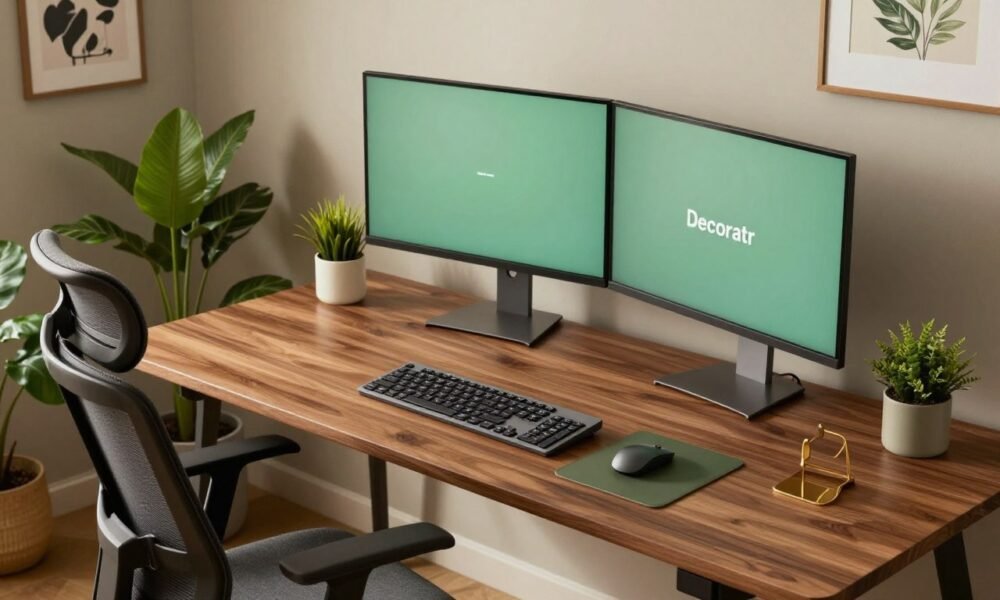
Creating Focus Zones
Even in open-plan offices, you can create areas for concentration. A focus zone signals to your mind it’s time for serious work.
You can make one using furniture. Place your desk in a corner or use an L-shaped setup. A consistent color scheme or a dedicated task light over your desk also helps.
The goal is to make this space different from where you might relax or chat casually. This separation helps keep your mind clear all day.
Tools Within Reach: The Efficiency Triangle
Wasting motion wastes time and energy. The “Efficiency Triangle” places your three most-used items within easy reach.
Imagine a triangle between your primary work tool (keyboard/mouse), your reference material (notebook, tablet), and your communication device (phone). These should be no more than an arm’s length apart.
This setup prevents constant stretching, swiveling, or getting up. It keeps you in a comfortable, focused position. This triangle is key to a stylish workstation setup that boosts real output, not just looks.
By adding these elements—reducing distractions, creating focus zones, and placing tools wisely—you make an environment that supports hard work. Your workspace becomes a true partner in your success.
Creative Design Elements for Inspiration
The best workspaces are not just useful; they also engage our senses and spark our imagination. They have thoughtful design choices. A great creative office design mixes usefulness with beauty, making a place where people enjoy working.
Adding artistic touches doesn’t need a big budget. It needs careful thought. By choosing the right colors, textures, and natural elements, we can make a space that lowers stress, boosts creativity, and shows off your company’s unique spirit.
Color Psychology in Office Design
Color is more than just decoration. It affects our mood, energy, and how we think. The right colors can change how your workspace feels.
For areas where you need to focus, use cool colors like blues and greens. These colors help you stay calm and focused. Studies show blue can even lower your heart rate, making it great for detailed work.
For areas where you want to encourage teamwork and chat, warm colors like oranges and yellows are best. They make people feel more energetic and ready to talk. Use these in areas meant for meetings or breaks.
In Indian offices, we can draw inspiration from our rich colors. Deep yellow, like saffron, brings energy and hope. Earthy terracotta tones feel cozy and welcoming. A splash of vibrant turquoise can add a fresh, creative vibe.
“Color is a power which directly influences the soul. Color is the keyboard, the eyes are the hammers, the soul is the piano with many strings.”
Remember, balance is key. Use bold colors as highlights against neutral backgrounds. A bold color on a feature wall can energize a room without being too much.
Texture and Material Mixing
Texture adds depth and interest to a space. A room with only one texture feels flat. But a room with different textures feels rich and lively.
The magic is in mixing. Pair the smoothness of glass or metal with the natural look of wood. Add softness with fabric or acoustic felt. This mix creates a space that feels thoughtfully put together.
Here’s a simple guide for mixing materials:
- Anchor with Wood: Use wood for desks or shelving. It adds warmth and a natural feel.
- Add Structure with Metal: Metal legs, frames, or light fixtures provide clean lines and durability.
- Softening with Fabric: Upholstered chairs, curtains, or wall panels absorb sound and add comfort.
- Finish with Natural Elements: A stone coaster, a woven basket, or a ceramic vase adds the final, personal touch.
This approach to creative office design makes your space feel curated, not generic. It creates visual interest that keeps the eye moving and the mind engaged.
Incorporating Natural Elements
Humans have a natural connection to nature. Bringing elements of the outdoors inside, known as biophilic design, has many benefits. It reduces stress, improves air quality, and boosts well-being and creativity.
The simplest way to start is with plants. From a low-maintenance snake plant on a desk to a vertical green wall in a common area, plants instantly soften a space. For Indian climates, consider hardy plants like areca palms, money plants, or aloe vera.
Natural light is the most valuable element. Place workstations to get the most daylight. Use sheer curtains to soften harsh sun while keeping the room bright. When daylight is scarce, choose full-spectrum LED bulbs that mimic natural light.
Don’t forget organic materials. A jute rug, bamboo blinds, or a desk with a live edge wood slab connects us to nature through texture. Even images of natural landscapes or water features can calm us.
These natural touches are the heart of human-centered creative office design. They remind us we’re not just working in a box, but in a space that supports our whole selves. By combining color, texture, and nature, we create offices that inspire us every day.
Efficient Layout Planning Step by Step
Let’s dive into the real work of setting up your office space. A good layout is key to being productive. It saves time and effort later on. We’ll guide you through a step-by-step approach to ensure your space works well and feels comfortable.
Measuring and Assessing Your Space
Every plan starts with the right numbers. Before you draw anything, measure your room. Note the size of windows, doors, outlets, and any fixed features.
Don’t forget about door swings and how much space they need. In India, different buildings have unique layouts. So, pay attention to ceiling height and column locations. This info is crucial for your functional office furniture arrangement.
Creating a Floor Plan
With your measurements ready, it’s time to make a visual plan. A floor plan is like a blueprint. It lets you try out different layouts before moving furniture.
You can choose between digital or traditional methods. Both have their benefits.
Software Tools for Planning
Digital tools offer precision and flexibility. Free online planners like Planner 5D or SketchUp Free are great starting points. They let you move furniture models around your room.
These tools help you see how everything will fit. You can check if a desk will block a window or if there’s enough space between chairs.
They’re perfect for getting a clear view of your layout. You can share your plans with colleagues for feedback. This ensures every piece of furniture has a purpose.
Traditional Sketch Methods
Don’t overlook the power of pencil and paper. This hands-on method helps you connect with your space. Use a scale where one square equals one foot.
Make paper shapes of your furniture. Move them around your floor plan. This method is great for testing how people will move around and work together. It’s a simple yet effective way to plan your space.
| Planning Method | Best For | Tools Needed | Time Required | Accuracy Level |
|---|---|---|---|---|
| Software Tools | Finalizing plans, 3D visualization, team collaboration | Computer, internet access, free online app | 2-4 hours | High (precise scaling) |
| Traditional Sketch | Initial brainstorming, quick iterations, understanding flow | Graph paper, ruler, pencil, scissors | 1-2 hours | Medium (depends on drawing skill) |
| Physical Mock-up | Testing real-world movement, ergonomic checks | Cardboard, tape measure, masking tape | 3-5 hours | Very High (actual size testing) |
Testing Your Layout Before Implementation
Your plan looks great on paper. Now, let’s see if it works in real life. The best way is to set up a full-scale mock-up in your empty office. Use cardboard to represent furniture without the hassle of moving real pieces.
Here’s how to do it:
- Mark the floor: Use tape to outline each piece of furniture on the floor, based on your plan.
- Build simple mock-ups: For big items, use cardboard boxes or old cartons to get their size and shape.
- Walk the workflow: Practice a typical workday. Move around, check access to the printer, and sit in the “chairs.”
This test reveals problems you can’t see on a screen. It shows if a drawer will hit a wall or if a path is too narrow. Adjust your layout until it feels right. Then, you’re ready to bring in the real furniture.
Stylish Yet Functional Furniture Arrangement
A stylish workstation setup combines beauty with practicality. The way you arrange your furniture sets the tone of your workspace. It shows off your brand’s personality and values your team’s environment.
Good arrangement makes a space feel thoughtful, not random. We’ll explore how to mix different furniture styles without chaos. You’ll learn about visual harmony and decor that works hard.
Mixing Furniture Styles Cohesively
Many Indian offices now blend modern, industrial, and traditional furniture. This creates unique, personalized spaces. The key is cohesion—making different pieces feel like they belong together.
Start with a dominant style that defines 60-70% of your furniture. This could be contemporary desks and chairs. Then add accent pieces in a complementary style, like traditional wooden cabinets or industrial metal shelves.
Look for common threads that tie different styles together. Similar wood finishes, consistent metal accents, or repeating color palettes create unity. A modern glass desk can pair beautifully with a traditional Indian wooden chair if both have similar warm tones.
Consider the era and origin of each piece. Mixing a Victorian-style bookcase with minimalist Scandinavian desks might clash. Instead, choose styles with some shared design philosophy. Mid-century modern and contemporary Indian designs often work well together.
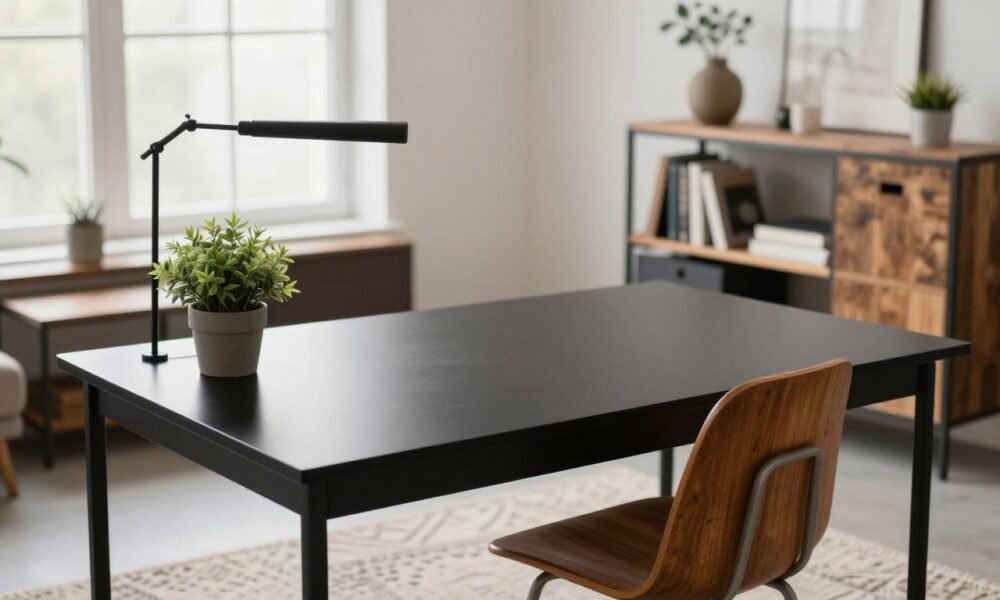
Accessories and textiles help bridge style gaps. Cushions, rugs, and artwork can introduce patterns or colors that connect different furniture pieces. A traditional Indian rug can ground a modern seating area beautifully.
Creating Visual Balance
Visual balance makes a space feel comfortable and complete. It prevents any area from feeling too heavy or empty. Balance comes from distributing visual weight evenly throughout your workspace.
Visual weight refers to how much attention an object draws. Large pieces, dark colors, and complex patterns have more weight. Small items, light colors, and simple designs have less weight.
There are three main types of balance to consider for your stylish workstation setup:
- Symmetrical balance creates formal, orderly spaces with matching elements on either side
- Asymmetrical balance uses different objects with equal visual weight for dynamic, interesting spaces
- Radial balance arranges items around a central point, perfect for circular meeting areas
Scale and proportion matter greatly. Furniture should relate well to room dimensions and to each other. An oversized desk in a small office feels oppressive. Tiny chairs in a large conference room seem lost.
| Balance Principle | Description | Application Tip | Visual Effect |
|---|---|---|---|
| Scale & Proportion | Relationship between furniture size and room dimensions | Leave 90-100cm walking space around all furniture | Creates comfortable, accessible spaces |
| Focal Point | Dominant element that draws immediate attention | Use one statement piece per zone | Provides visual hierarchy and interest |
| Negative Space | Empty areas that give elements room to breathe | Keep 30-40% of walls and floors clear | Prevents clutter and visual overload |
| Rhythm & Repetition | Repeating colors, shapes, or materials | Use same metal finish on 3+ different pieces | Creates cohesion and visual flow |
The “eyeline test” helps check balance. Sit at your main working position and look around. Does your eye travel smoothly around the room? Or does it get stuck on one overwhelming element?
Adjust furniture until you achieve comfortable visual flow. Sometimes moving a plant or adjusting artwork placement makes all the difference.
Functional Decor Choices
The best office decor serves both beauty and purpose. Every item should earn its place through utility or inspiration. This philosophy creates efficient, uplifting workspaces.
Start with lighting that combines form and function. An artistic floor lamp can provide perfect task lighting for reading corners. Decorative pendant lights above meeting tables offer both illumination and style.
Storage solutions present excellent decor opportunities. A beautiful bookshelf organizes materials while displaying company achievements. Woven baskets hide clutter while adding texture and warmth to the space.
Consider these functional decor elements for your stylish workstation setup:
- Acoustic panels with artistic designs that reduce noise while enhancing walls
- Mobile plant stands that bring nature indoors and can be repositioned as needed
- Multi-function partitions that separate spaces while offering pin-up or whiteboard surfaces
- Decorative trays that corral desk accessories into organized, attractive displays
Artwork should inspire rather than merely decorate. Choose pieces that reflect company values or stimulate creative thinking. Local Indian artists often create work that resonates with cultural context while feeling contemporary.
Textiles add softness and sound absorption. Area rugs define zones while reducing noise transmission. Curtains control light while adding color and pattern. Even chair cushions can combine ergonomic support with visual interest.
Remember that functionality includes maintenance. Choose materials that withstand daily use in Indian office environments. Easy-to-clean surfaces, fade-resistant fabrics, and durable finishes ensure your stylish setup stays beautiful.
The most successful offices understand that every design choice serves dual purposes. Your furniture arrangement should facilitate work while expressing your brand. When style and function work together, you create spaces where people love to work and do their best thinking.
Technology Integration for the Modern Office
We often overlook the tech infrastructure, yet it’s the silent backbone that makes or breaks our daily workflow efficiency. Beautiful furniture and inspiring decor mean little if we struggle with tangled cables or poor video call quality. True modern office design seamlessly weaves technology into the physical space.
This integration should feel intuitive, not intrusive. Our goal is to create workstations where technology serves us effortlessly. Let’s explore how to achieve this balance.
Cable Management That Looks Good
Tangled wires create visual chaos and practical hazards. Good cable management goes beyond just hiding cords. It organizes them for easy access and future changes.
Start with a simple audit of all devices needing connection. Count your computer, monitors, phone charger, desk lamp, and other peripherals. This tells you how many cables you need to manage.
Cable sleeves and raceways offer clean solutions for grouping wires together. These flexible tubes bundle multiple cables into a single, neat line. They’re particularly useful for the journey from desk to wall outlet.
For the desk itself, consider adhesive clips or under-desk trays. These keep cables routed neatly along desk edges or completely out of sight. The key is creating dedicated paths rather than letting cables sprawl randomly.
Velcro straps are reusable and adjustable, perfect for Indian offices where equipment changes frequently. They’re better than plastic zip ties which must be cut and replaced. Always leave a little slack in cables for movement and device adjustments.
Power Solutions for Multiple Devices
Today’s workstation often hosts a laptop, multiple monitors, smartphone, tablet, and desk accessories. Each needs power, creating a demand surge at our desks. Smart power solutions prevent outlet overload and keep devices charged.
Basic power strips are no longer sufficient. We need intelligent solutions. Surge-protected power hubs with USB ports are essential. They protect expensive electronics from India’s occasional voltage fluctuations.
Consider the actual placement of power sources. Having outlets right at desk level eliminates bending and cable strain. Many modern office furniture pieces now include built-in power modules. For existing desks, adhesive power strips mounted underneath create a clean look.
Wireless charging pads built into the desk surface are gaining popularity. They eliminate cables for smartphones and compatible devices. This technology works best when integrated during the planning phase.
| Power Solution | Best For | Key Features | Indian Market Consideration |
|---|---|---|---|
| Basic Power Strip | Temporary setups or minimal devices | Multiple outlets, often with surge protection | Ensure it’s rated for 230V; brands like Anchor or Havells offer reliable options |
| Smart Power Hub | Tech-heavy workstations with multiple monitors | USB-C & USB-A ports, individual switches, surge protection, sleek design | Look for hubs with stable performance during common voltage variations |
| Under-Desk Charging Station | Permanent installations seeking clean aesthetics | Mounted permanently, often includes wireless charging, hidden from view | Consider heat dissipation in warmer Indian climates |
| Wireless Charging Ecosystem | Minimalist setups with compatible devices | Qi-enabled surfaces, reduced cable clutter, convenient placement | Compatibility with popular smartphone brands used in India |
Acoustic Considerations for Video Calls
The rise of hybrid work makes clear audio non-negotiable. Poor acoustics distract both the speaker and listeners. Simple adjustments can dramatically improve call quality.
Hard surfaces like glass, concrete, and wood reflect sound. This causes echoes and makes speech harder to understand. Soft materials absorb sound, creating clearer audio transmission.
A strategic area rug is one of the simplest acoustic improvements. It absorbs sound reflections from the floor. Even a medium-sized rug under the desk area makes a noticeable difference.
Curtains or fabric blinds help with windows. Bookshelves with uneven book heights break up sound waves. These solutions work well in Indian offices without major renovations.
For dedicated meeting spaces or noisy environments, acoustic panels offer targeted solutions. These foam or fabric panels mount on walls to absorb specific frequency ranges. They’re particularly effective behind the speaker where the microphone picks up most sound.
Consider your microphone placement too. Built-in laptop mics often pick up keyboard sounds. An external USB microphone placed closer to your mouth captures clearer voice while ignoring background noise. This small investment pays off in professional communication.
Finally, be mindful of ambient noise. Ceiling fans, air conditioners, and street sounds common in Indian cities can interfere. Positioning your workstation away from windows facing busy streets helps. Using headphones with noise-canceling microphones during important calls is another practical solution.
Technology should empower our work, not complicate it. Thoughtful integration creates workstations that feel effortlessly capable. Every meeting starts with clear audio, every device stays charged, and no cords distract from our focus.
When to Bring in Professional Office Design Experts
Many businesses start their office design journey on their own. But, there’s a point when professional help is crucial. Tackling complex layouts or specialized needs alone can lead to costly mistakes. That’s where experienced office design experts shine.
Signs You Need Professional Help
How do you know when to call in the experts? Several clear indicators suggest your project would benefit from professional guidance.
First, consider the scale of your project. Are you designing for multiple floors or an entire building? Large-scale rollouts require coordinated planning that professionals handle best.
Second, evaluate your space challenges. Do you have irregular room shapes, limited natural light, or complex structural elements? These issues need creative solutions that come from experience.
Third, think about your timeline and budget. Professionals help you avoid costly errors that delay projects and increase expenses. They ensure your investment delivers maximum value.
Finally, assess your desired outcome. If you want a truly polished, functional result that impresses clients and motivates employees, expert office work station design delivers that guarantee.
What to Expect from a Design Consultation
Many businesses feel uncertain about what happens during a professional design consultation. Let’s demystify the process so you know exactly what to expect.
A typical consultation begins with understanding your business needs. We discuss your company culture, workflow patterns, and team requirements. This helps us create solutions that work for your specific operations.
Next, we assess your physical space. We measure dimensions, evaluate lighting conditions, and identify architectural features. This thorough analysis forms the foundation of our design approach.
We then explore your vision and preferences. What aesthetic appeals to your team? What functionality is non-negotiable? This collaborative discussion ensures the final design reflects your brand identity.
Finally, we provide preliminary recommendations and discuss budget considerations. You leave the consultation with clear next steps and a realistic understanding of what’s possible for your office work station design project.
Working with Decoratr.in for Your Office Design
At Decoratr.in, we specialize in creating office environments that balance beauty and functionality. Our approach combines global design principles with local understanding of Indian business needs.
We believe every workspace should tell your company’s story while supporting daily operations. Our team brings years of experience transforming ordinary offices into extraordinary work environments.
Our Design Process
Our collaborative process ensures your vision guides every decision while our expertise handles the technical details.
- Discovery Phase: We begin by deeply understanding your business, team dynamics, and operational needs through detailed discussions and site visits.
- Concept Development: Our designers create initial concepts that translate your requirements into visual layouts and material selections.
- Refinement: We present concepts, gather feedback, and refine designs until they perfectly match your vision and practical needs.
- Implementation: Our team manages the entire installation process, coordinating with vendors and ensuring quality execution.
- Final Review: We conduct a thorough walkthrough, address any adjustments, and ensure your complete satisfaction.
This structured approach eliminates stress and uncertainty. You get a seamless experience from initial concept to final installation.
Tailoring Solutions for Indian Businesses
Indian offices face unique challenges and opportunities. Our designs specifically address these local considerations while maintaining international standards.
We understand the importance of flexible spaces in Indian businesses. Many companies experience rapid growth or seasonal fluctuations. Our office work station design solutions accommodate these changing needs without compromising aesthetics.
Climate considerations also play a crucial role. We select materials and layouts that work well with India’s diverse weather conditions. This ensures your workspace remains comfortable and functional year-round.
Cultural preferences influence how teams interact and collaborate. We design spaces that support both focused individual work and vibrant group discussions common in Indian workplaces.
Budget optimization is another key focus. We help you allocate resources where they matter most, ensuring every rupee delivers value in your office work station design project.
The right professional partnership transforms office design from a daunting task into an exciting opportunity for growth and transformation.
If you’re feeling overwhelmed by your office design project or simply want a guaranteed flawless result, we’re here to help. Our expertise turns complex challenges into elegant solutions that work for your business.
Ready to transform your workspace? We invite you to schedule a free consultation to discuss your vision. Let’s explore how professional office work station design can elevate your workplace.
📞 Call us today at +91-7838900414 to schedule your free consultation.
🌐 Visit our website: www.decoratr.in
📧 Email us directly: shailendra.bharadwaj@decoratr.in
📱 WhatsApp: +91-7838900414
We look forward to helping you create an office environment that inspires your team and impresses your clients. Your perfect workspace begins with a conversation.
Conclusion
Creating your dream office is a mix of science and art. Every choice affects how you feel and work every day.
We looked at ergonomic furniture and smart layouts. We also talked about organizing systems and creative designs. Each step helps create a space that truly supports you.
The ideal office mixes function with inspiration. It keeps you physically healthy while boosting your mental focus. Your office should fit your unique work style.
Building this space is an investment in your daily success. You can do it yourself or get help from experts. A well-designed office boosts your productivity and happiness.
Are you ready to change your workspace? Decoratr.in offers office design solutions for Indian professionals. We make these ideas real in your space.
Begin with a free consultation. Call us at +91-7838900414. Visit our website at www.decoratr.in or email shailendra.bharadwaj@decoratr.in. Let’s make a workspace where you excel.
FAQ
What is the most important element of office work station design?
How can I improve my modern office layout in a small space?
What are some simple desk organization ideas to reduce clutter?
Can a creative office design really improve productivity?
What should I look for in an ergonomic office chair for India’s climate?
How do I plan an efficient office layout before buying furniture?
How can I achieve a stylish workstation setup without sacrificing function?
When should I consider hiring a professional office design expert?


Construction Any Good?.
When you invest in construction — whether it’s for your dream home, school, or commercial space — one question always arises: “Is.
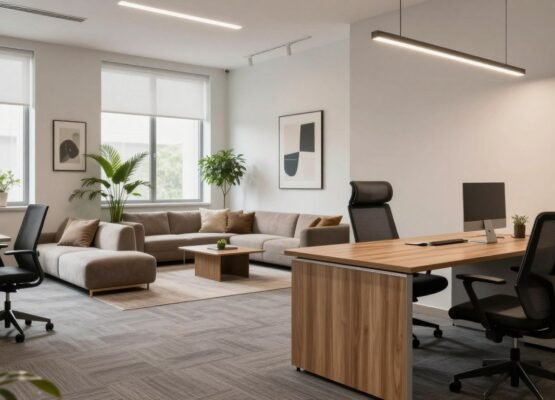
Office Cabin Design.
I still remember the first time I stepped into a workspace that felt built for focus — it changed how I work.