

Why You Cannot Learn Construction Well
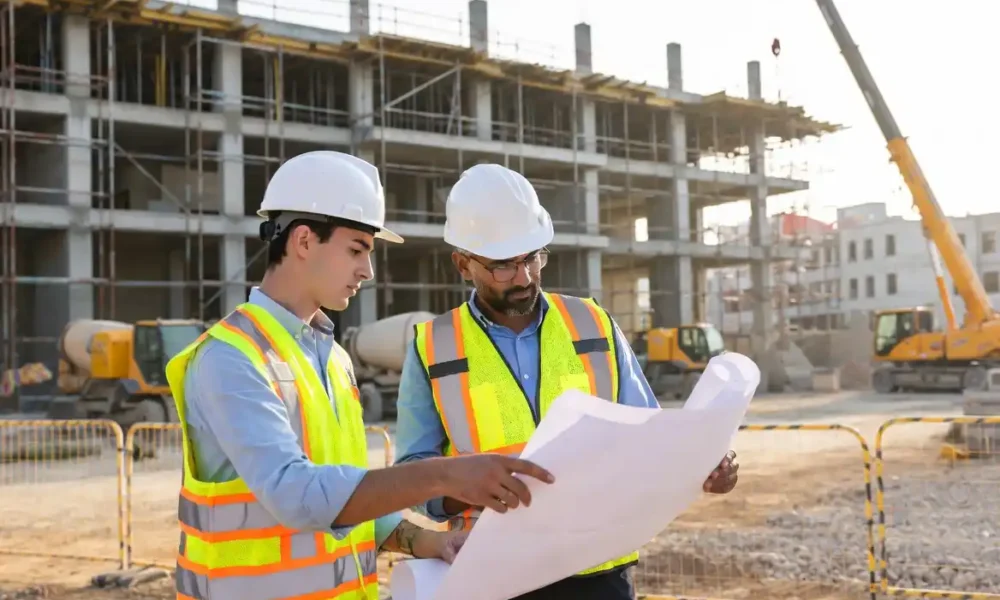
Construction is one of the oldest and most essential professions in the world. Every building, home, and school you see is a result of years of knowledge, skill, and collaboration. Yet, despite its importance, few people truly understand construction deeply. Many try to “learn construction” quickly through online videos or brief training, but soon realize — it’s far more complex than it appears.


The truth is, you cannot learn construction well unless you experience it the right way — through real practice, observation, and guidance from experts. At Decoratr, where design meets execution, we’ve seen countless examples of how theory alone isn’t enough to master this craft. Let’s explore why construction is difficult to learn well, and what makes professional experience so vital in this field.
Construction Is Not Just About Building — It’s About Understanding
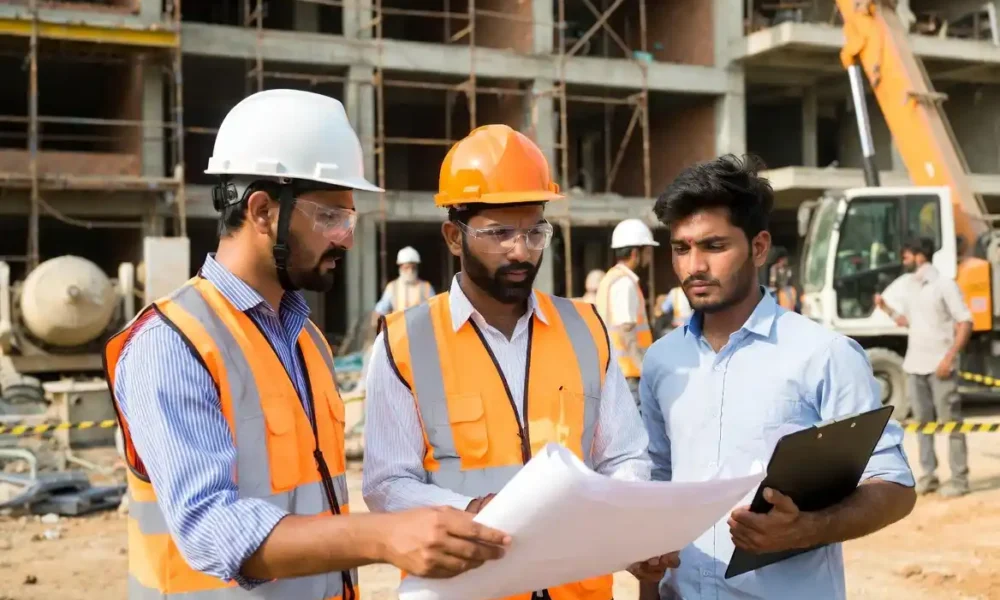
Many people think construction is simply about laying bricks or installing fixtures. But in reality, construction is a science of coordination and precision. It involves understanding architecture, materials, engineering, and human behavior.
Each project has a unique story — different site conditions, structural challenges, and client expectations. What works in one project may completely fail in another.
For example, building a modern school interior is very different from constructing a residential home or commercial office. Each demands a different approach to safety, functionality, and design.
That’s why at Decoratr, we never use a one-size-fits-all formula. We study the client’s goals, the environment, and long-term usability before starting. Learning construction means learning to see the unseen — and that takes years of experience.
The Ground Reality Is Different From the Plan
On paper, every project looks perfect. Drawings are neat, materials are listed, and timelines are clearly written. But once you step onto a live site, reality changes.
There are delays due to weather, supply chain issues, and unexpected technical complications. Materials may behave differently on-site than they did during testing.
Only experienced professionals know how to adapt quickly without compromising quality.
This is why construction can’t be learned just from theory. It requires hands-on exposure — standing at a site, handling materials, solving real-time challenges, and working with engineers, architects, and labor teams.
At Decoratr, our team has learned from the ground up — managing school renovations, corporate interiors, plumbing works, and new constructions under real-world pressure. That kind of understanding simply can’t come from a book or classroom.
True Construction Knowledge Comes With Mistakes and Fixes
No one becomes an expert builder overnight. Every professional learns through trial, error, and correction.
You can’t learn how to handle cracking plaster, a leaking pipeline, or uneven flooring until you’ve faced them in reality. Every construction mistake is a lesson — one that teaches you patience, precision, and foresight.
At Decoratr, we’ve refined our process over years of projects — understanding which materials last longer, which designs are more efficient, and which methods save time without reducing quality.
This evolution only happens when you learn through experience. You can’t learn construction well if you’re afraid to get your hands dirty.
Construction Requires Understanding People, Not Just Plans
A great design fails if not executed with teamwork. Construction is as much about people management as it is about design and engineering.
You work with architects, interior designers, electricians, plumbers, carpenters, painters, and clients — each with their own expertise, opinions, and expectations. Coordinating everyone to move in the same direction requires strong communication, leadership, and problem-solving skills.
You can’t learn that from a textbook — only through real collaboration.
At Decoratr, managing multiple teams across schools, offices, and residential sites has taught us the value of harmony. The success of any project lies not only in drawings but in understanding and motivating people who bring that design to life.
The Industry Keeps Changing Every Year
Even if you learn the basics today, construction trends and technologies evolve rapidly.
New materials, green building practices, digital tools, and safety standards appear every year. A professional must keep adapting — or risk becoming outdated.
For example, sustainable materials, smart lighting systems, and modular furniture were once optional. Today, they’re standard for modern interiors. Schools demand child-safe finishes and energy-efficient lighting. Offices now prefer flexible, ergonomic designs.
At Decoratr, we constantly upgrade our knowledge through field research and client feedback. That’s why our designs stay fresh, sustainable, and future-ready.
To truly learn construction well, you must be a lifelong learner — willing to change, test, and innovate.
You Can’t Learn Construction Without Understanding Design
Another reason most people fail to learn construction properly is that they ignore the design connection. Construction doesn’t exist in isolation — it brings design to life.
Without understanding aesthetics, proportion, and space planning, your construction may be strong but visually unappealing.
At Decoratr, our deep understanding of interior design allows us to integrate functionality with beauty. We ensure that walls, ceilings, and finishes don’t just meet standards — they express creativity and comfort.
True construction mastery lies in balancing structure and style — and that’s something only experience can teach.
Every Site Has Its Own Personality
No two construction sites are the same. The soil type, temperature, humidity, sunlight, and surrounding structures all influence your approach.
For instance, flooring material that works well in Delhi may crack under humidity in Mumbai. Paint finishes that shine in air-conditioned offices may fade in school classrooms.
You can’t learn these nuances through general theory. You must observe, test, and adapt.
That’s why Decoratr always conducts site evaluations before finalizing materials or timelines. This approach saves our clients future repair costs and ensures lasting quality.
Learning Construction Requires Patience and Observation
Construction is a slow art. You can’t rush concrete curing, paint drying, or furniture finishing. Everything takes its time — and every stage teaches you something new.
The most successful builders and designers are those who observe patiently. They notice small details — the alignment of tiles, the texture of wood, the reflection of light — and make tiny adjustments that change everything.
You can’t learn that kind of observation from videos or lectures. It comes from being on-site, day after day, watching the transformation unfold.
At Decoratr, we believe patience is the hidden ingredient behind perfection.
Without Supervision, Learning Remains Incomplete
Many beginners try to learn construction independently. But without proper mentorship, mistakes go unnoticed.
You need experienced supervision to understand why something works or fails. Guidance from senior professionals saves time and prevents costly errors.
Our team at Decoratr trains young site engineers and designers by involving them directly in real projects. They learn not just how to do things, but why each decision matters.
True learning happens when theory meets practice — under expert eyes.
The Art of Construction Is a Lifelong Journey
Finally, the biggest reason you cannot learn construction well quickly is that it’s not a single subject — it’s a lifelong journey.
Every project teaches you something new. Each material, design, and challenge deepens your understanding. The best professionals keep evolving, stay curious, and never assume they know it all.
At Decoratr, we treat every project — from a classroom renovation to a luxury home — as an opportunity to learn and improve. That mindset has helped us grow into one of the most trusted names in interior design and construction.
Conclusion: Real Learning Happens on the Ground
Construction cannot be mastered in theory — it lives in the real world. You can study all you want, but unless you visit sites, manage people, solve problems, and feel the materials with your own hands, your understanding will remain incomplete.
At Decoratr, we invite clients, students, and partners to experience this journey with us — to see how design ideas transform into real spaces that inspire and endure.
Because the truth is:
“You cannot learn construction well — you can only live it, build it, and grow with it.”
And that’s exactly what we do — every single day.

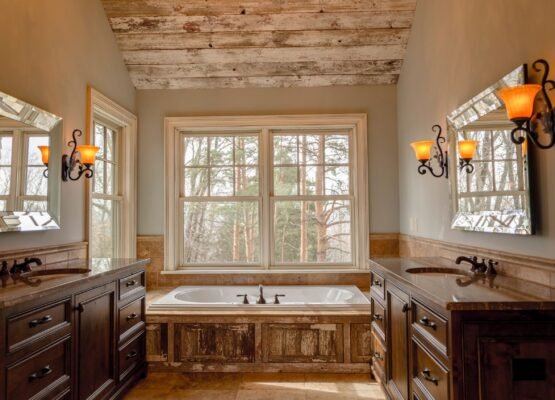
The Time Is.
In the fast-paced world we live in today, time has become the most valuable resource — more than money, more than materials,.
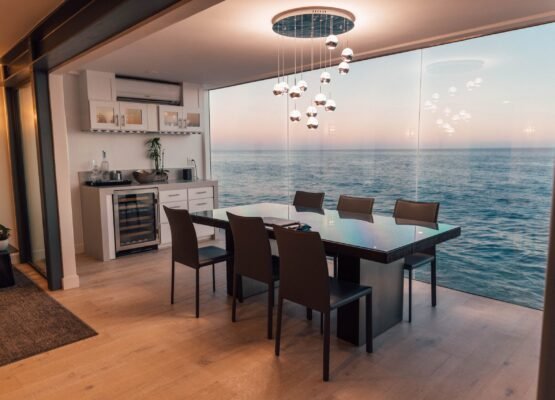
Having A Provoke.
In today’s fast-paced world, interior design is no longer just about beautifying spaces — it’s about creating an environment that provokes inspiration,.