

Office Design Ideas for Corporate Offices: Creating a Productive and Professional Workspace
Corporate offices are often the first point of contact for clients, partners, and visitors. They reflect your company’s values, culture, and professionalism. A well-designed corporate office doesn’t just look good — it should also enhance productivity, foster collaboration, and create a positive, welcoming environment for employees. Whether you’re redesigning an existing space or starting from scratch, there are several office design ideas you can incorporate to make your corporate office both functional and stylish.
In this article, we’ll explore some of the best office design ideas for corporate offices that can help improve workflow, employee satisfaction, and company branding.
1. Focus on Creating a Welcoming Reception Area
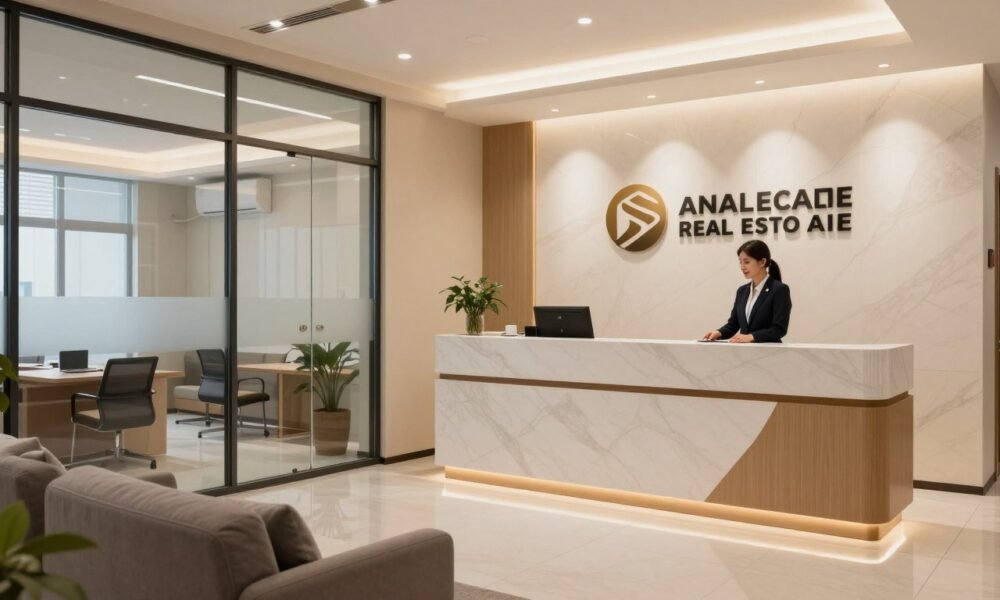
The reception area is the first thing clients, visitors, and employees will see when they enter your office, so it’s crucial that it reflects your brand and professionalism. A welcoming and well-designed reception area sets the tone for the rest of the office.
Key Features for a Reception Area:
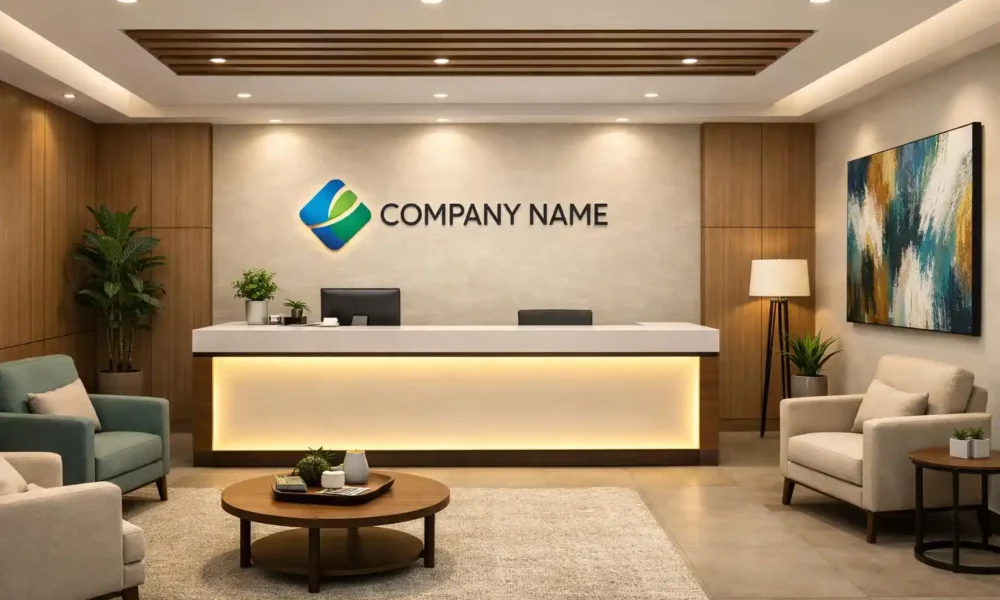
- Branding and Logo Placement: Make your brand visible by incorporating your logo and company colors in the design. This could be through wall art, custom signage, or even the reception desk itself. A well-designed logo wall can be a powerful statement.
- Comfortable and Professional Seating: Ensure that the reception area has comfortable seating for visitors. You can use high-quality chairs, sofas, or even lounge-style seating that suits your corporate identity. Don’t forget to include small details like a coffee table or side tables for a more welcoming vibe.
- Minimalist Design: Keep the space clean and minimalist. Avoid overcrowding with too much furniture or décor. A few well-placed pieces of art or plant displays can give the space personality without overwhelming it.
The reception area should feel welcoming, professional, and aligned with your company’s branding to create a positive first impression.
2. Implement an Open Floor Plan for Collaboration
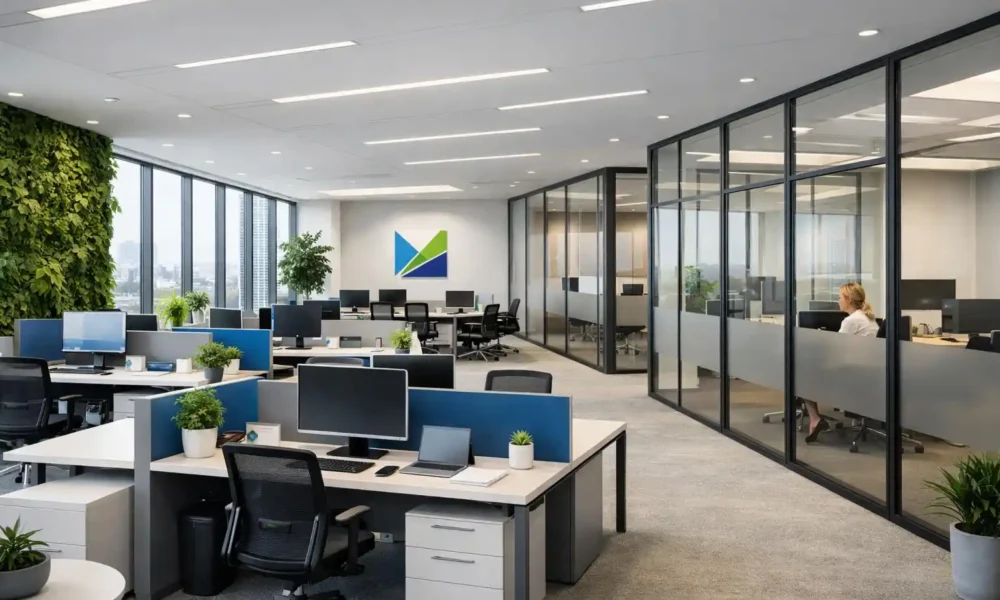
Open office layouts are a popular choice for corporate offices because they encourage collaboration, communication, and transparency. The key is to design an open layout that doesn’t feel too cluttered or noisy, ensuring that employees can work together efficiently while maintaining focus when necessary.
Elements of an Open Floor Plan:
- Workstations and Desks: Use large, communal desks or clusters of smaller desks to encourage teamwork. Modular furniture can be a great choice for flexibility, as employees can reconfigure their workspaces based on their current needs.
- Breakout Areas: In an open-plan office, it’s important to create spaces where employees can retreat for private work, phone calls, or meetings. You can achieve this by integrating small pods or soundproof booths in the open floor space.
- Clear Pathways: Designate clear walkways and keep pathways clutter-free to avoid creating distractions and ensuring smooth movement throughout the office.
By focusing on a layout that balances openness with functional spaces, you can create an office environment that encourages collaboration without sacrificing individual productivity.
3. Integrate Natural Light and Biophilic Design
Incorporating natural light and elements of nature into your office design can have a significant impact on employee well-being and productivity. Studies have shown that exposure to natural light and nature reduces stress, increases energy levels, and improves cognitive function.
Ways to Incorporate Natural Light:
- Maximize Window Space: Position desks and workstations near windows to take advantage of natural light. Use transparent or frosted glass partitions to ensure that light flows freely throughout the office space.
- Use Light, Reflective Colors: Choose light-colored walls, flooring, and furniture to help bounce natural light around the office. White, beige, and light grey tones can create a bright and airy atmosphere.
- Biophilic Design Elements: Incorporating plants into the office can create a calming and energizing atmosphere. Consider adding greenery such as potted plants, living green walls, or indoor trees. Not only do plants improve air quality, but they also add visual interest and a sense of tranquility to the office.
By bringing the outdoors in, you’ll create a healthier, more productive environment for employees, while also reinforcing a commitment to sustainability.
4. Create Designated Collaborative and Quiet Zones
Incorporating different zones within the office allows for both collaboration and individual work. Having a mix of areas where employees can interact and brainstorm, as well as quiet spaces for focused work, is crucial for maintaining productivity.
Collaborative Zones:
- Casual Meeting Spaces: Create informal spaces where employees can gather for impromptu discussions, brainstorming, or quick meetings. These could include lounge seating, low tables, or even standing desks in open areas.
- Large Meeting Rooms: For more formal meetings or presentations, larger rooms with audiovisual equipment, such as projectors or video conferencing tools, are essential. Ensure these spaces are comfortable, spacious, and equipped with the necessary technology to facilitate smooth communication.
Quiet Zones:
- Focus Rooms or Pods: Provide employees with quiet rooms or soundproof pods where they can escape distractions and concentrate on focused tasks. These should be equipped with comfortable seating, adjustable lighting, and minimal distractions.
- Private Offices: For senior staff, team leads, or executives, private offices with glass partitions can offer both privacy and transparency. These offices should feel comfortable yet professional, with ample storage and a functional layout.
By carefully designing both collaborative and quiet zones, you ensure that your office supports diverse work styles and enhances overall efficiency.
5. Incorporate Comfortable and Ergonomic Furniture
Ergonomics should be a priority in corporate office design. Employees spend long hours sitting at desks, so providing ergonomic furniture will help prevent strain, improve comfort, and increase productivity.
Ergonomic Features to Consider:
- Adjustable Desks and Chairs: Adjustable sit/stand desks allow employees to alternate between sitting and standing, promoting better posture and reducing the risk of discomfort. Ergonomic chairs with lumbar support can help prevent back pain and promote healthy sitting habits.
- Comfortable Lounge Seating: For break areas or informal meeting spaces, provide lounge seating that promotes relaxation and socialization. Modular sofas, cushioned chairs, and even bean bags can create a comfortable, welcoming atmosphere for employees.
- Task Lighting: Ensure that each workspace has adequate task lighting to prevent eye strain. Desk lamps with adjustable brightness can help employees create the ideal lighting conditions for their work.
By prioritizing ergonomic furniture, you create a workspace where employees are comfortable and able to work for longer periods without discomfort, ultimately improving their efficiency and well-being.
6. Maximize Technology Integration
As technology continues to advance, integrating the right tools and systems into your office design is essential. A modern corporate office should be equipped with the latest technology to streamline communication, improve collaboration, and increase efficiency.
Technology Features for Corporate Offices:
- High-Tech Meeting Rooms: Equip meeting rooms with video conferencing tools, smart whiteboards, and screens that allow for seamless virtual meetings and presentations. This is especially important for remote collaboration and hybrid teams.
- Interactive Touchscreens and Whiteboards: Touchscreens and interactive whiteboards allow employees to share ideas, annotate presentations, and collaborate in real-time. These tools are particularly useful in brainstorming sessions or workshops.
- Smart Office Solutions: Implement smart office technology that controls lighting, heating, and security with the use of mobile apps or voice commands. This can improve energy efficiency and provide a more convenient, high-tech working environment.
By integrating cutting-edge technology into your office design, you can create a space that supports modern workflows and enhances employee productivity.
7. Use Color to Set the Tone and Reflect Your Brand
Color plays a powerful role in setting the tone of a space and influencing emotions. In a corporate office, the right color palette can help establish your company’s brand identity and create a professional yet inviting atmosphere.
Color Ideas for Corporate Offices:
- Neutral Tones: Shades of grey, beige, and white are timeless and professional, providing a calm and focused environment. These colors work well for walls, flooring, and furniture, creating a clean and neutral backdrop for the workspace.
- Accent Colors: Add pops of your brand colors through accent walls, furniture, or décor. For instance, a tech company might incorporate blue and green tones to reflect innovation and trust, while a financial institution might use dark blues and gold to communicate reliability and professionalism.
- Warm Tones for Comfort: To create a welcoming environment, consider incorporating warm tones such as soft browns, rust, or mustard. These colors can make the office feel inviting without sacrificing professionalism.
The colors you choose will have a significant impact on employee mood, focus, and energy, so select a palette that aligns with your corporate values and enhances the overall atmosphere of the office.
Conclusion
Designing a corporate office is about more than just aesthetics — it’s about creating a space that fosters productivity, collaboration, and a positive company culture. By focusing on elements such as a welcoming reception area, flexible layouts, biophilic design, ergonomic furniture, and technology integration, you can design a workspace that meets the needs of your employees while reflecting your company’s brand identity.
Whether you’re looking to create an open, collaborative environment or a professional, focused space, the right office design can elevate your corporate culture and boost overall efficiency. As you plan your office interior, consider how each design choice can enhance your team’s experience and reflect your brand values, creating a workspace that is both functional and inspiring.


The Truth About.
The construction industry is going through a massive transformation — one that most people don’t see coming. For decades, construction was thought.
Is your office.
Have you ever walked into an office and felt your energy levels instantly drop? Or conversely, stepped into a workspace that made.