
Office Renovation Services: How to Create a Stunning Workspace
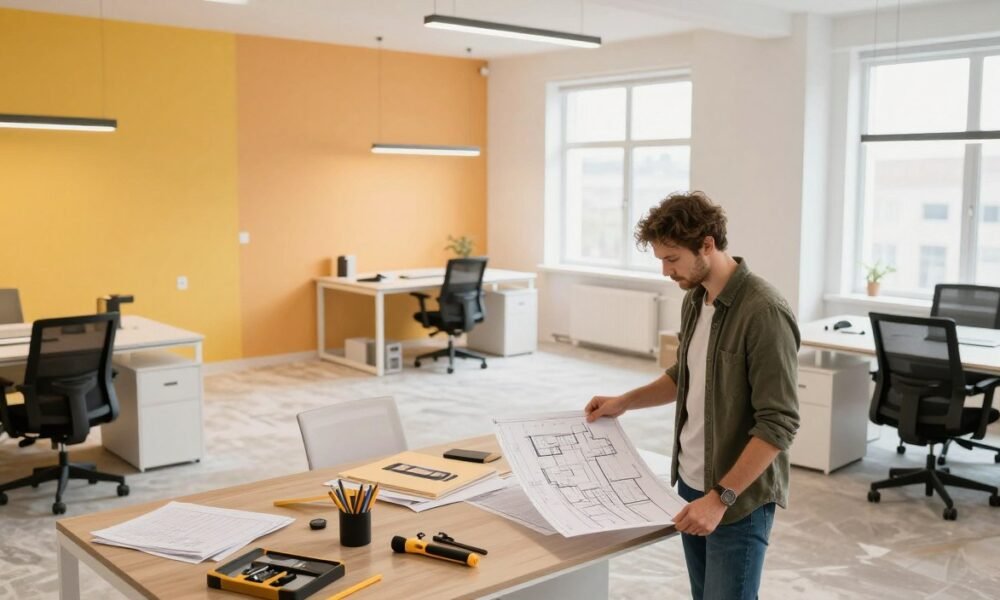
What if your “nice-looking office” is quietly costing you clients, focus, and great hires—every single week?
Office renovation services do more than just paint. They include space planning, interiors, electrical, and HVAC. They also cover data cabling, lighting, fire safety, and getting approvals. The goal is to make your office look great and run smoothly.
In India, teams grow fast, and hybrid work changes space needs. Clients expect a polished experience from the moment they enter. If you’re in a leased space, every square foot must be valuable without breaking rules or disrupting work.
This guide will help you plan, design, budget, and choose vendors. You’ll learn about managing compliance and prioritizing upgrades. It also covers what to expect from timelines, handovers, and finish quality when choosing a full-service office renovation company.
Ready to start your project? 📞 Call us today to schedule a free consultation with Decoratr; Website: www.decoratr.in; Email: shailendra.bharadwaj@decoratr.in; WhatsApp: +91-7838900414.
Key Takeaways
- Office renovation services combine layout, interiors, MEP upgrades, and compliance-ready delivery.
- A strong first impression can boost trust before the first meeting even starts.
- Better lighting, acoustics, and ergonomics can improve focus and comfort for long workdays.
- Smart planning helps you renovate leased offices with fewer disruptions and less rework.
- Choosing the right office renovation company can reduce delays, scope gaps, and quality issues.
- This guide is built for founders, admins, facility managers, HR, and real estate leads in India.
Why Office Renovations Matter for Modern Indian Workplaces
In India’s busiest metros, offices face a lot of challenges every day. A well-planned renovation can make a big difference. It can reduce distractions and improve the air quality, making the office a better place to work.
Office design also affects how teams work together. Small changes like better layout and cleaner finishes can make a big difference. They can make long workdays feel more manageable, even during busy times.
How workspace design impacts productivity and employee well-being
Good design helps people focus better. It creates calm areas and quiet spaces for meetings. This helps teams work more efficiently.
Ergonomics are also key. During a renovation, choosing the right furniture and desk setups can prevent aches and pains. This keeps employees comfortable and productive.
Comfort also includes the air and light in the office. Better ventilation and balanced lighting keep teams alert and focused. This helps them stay energized throughout the day.
- Fewer interruptions through better space zoning and clearer routes
- Lower fatigue with improved lighting and supportive furniture
- Healthier routines with better airflow and easier-to-clean finishes
First impressions: building client trust with a polished office
Clients notice details before you even start talking. A clean reception, clear signs, and well-organized meeting rooms show discipline. This is important for teams in consulting, IT, finance, and sales.
A professional renovation can make an office look more permanent. Fresh paint, new floors, and better lighting show that the space is well cared for. This helps visitors feel at ease and trust what you say.
| Touchpoint | What clients observe | What it quietly communicates |
|---|---|---|
| Reception | Clean sightlines, clear entry, organized seating | Operational control and respect for time |
| Meeting rooms | Comfortable chairs, working AV, good acoustics | Preparedness and confidence in delivery |
| Circulation areas | Uncluttered corridors, safe flooring, good lighting | Safety mindset and attention to detail |
Aligning your physical space with brand identity and culture
The office tells a story, even when no one is there. Good design can show how decisions are made. It can be open and transparent or private and focused.
Use your brand colors wisely, and let your values shine through in materials and messages. When the office supports how teams work, everyone feels proud. Candidates see a company that values quality.
“A well-run office feels quiet in the right places and lively where teams need to connect.”
Office Renovation Services
Good office renovation services should feel like an upgrade, not construction. You should know what you’re getting, who makes decisions, and how work stays on track. In India, knowing the rules, lift times, and society norms is key to planning.
What full-service office renovation typically includes
Full-service work starts with a site survey and accurate measurements. Then, it moves to space planning and design. Teams then finalize the bill of quantities, material specs, and sample approvals to keep costs steady.
Execution includes civil changes, partitions, and flooring. It also covers electrical and lighting, HVAC, networking, and fire safety. Plus, it includes branding that reflects your company’s image.
- Pre-work: survey, drawings, BOQ, mockups, and approvals
- Build: civil, MEP coordination, finishes, and fit-out
- Closeout: testing, snag fixing, handover documents, and warranties
When to choose a turnkey office renovation company vs. multiple vendors
A turnkey company is best when time is tight and managing daily tasks is hard. They help avoid mistakes by coordinating MEP, interiors, and IT. This way, you avoid costly rework.
For small upgrades, using multiple vendors might be okay. But, it adds complexity. Either way, having skilled contractors on site is crucial for safety and quality.
| Decision point | Turnkey approach | Multiple vendors |
|---|---|---|
| Accountability | Single point owns budget, schedule, and on-site coordination | Split ownership across trades; you manage handoffs and disputes |
| MEP coordination | Integrated planning for HVAC, electrical, data, and fire systems | Higher risk of clashes like lights vs. ceiling grid vs. ducting |
| Speed and predictability | One master plan with tighter sequencing and fewer idle days | Schedules can slip if one vendor delays or changes scope |
| Quality control | Unified checklists, sample sign-offs, and consistent workmanship standards | Finish quality can vary by vendor and supervisor |
| Best use case | Large fit-outs, active offices, premium client-facing spaces | Small refurbishments with flexible timing and simple scope |
How to set expectations for timelines, disruptions, and outcomes
Before signing, list what’s included and excluded. This includes wiring points, ceiling heights, and edge trims. Confirm site measurements, mockups, work hours, and building rules for material movement, noise, and debris disposal.
Plan for real disruption control, not wishful thinking. Use phased execution, weekend or night work, and temporary workstations. This keeps teams working while contractors do the heavy lifting.
For outcomes, agree on simple success checks. These include delivery date, lighting comfort, acoustics, HVAC performance, and durable finishes. Make warranty terms clear and ask for handover documents to help facilities teams maintain the space.
With clear scope, office renovation services are easier to manage. The office renovation company has fewer reasons for last-minute changes. This leads to cleaner workmanship with less chaos for your staff.
Commercial Space Remodeling Goals That Shape the Final Design
Creating a strong workplace starts with clear goals, not just trendy looks. In remodeling, focus on planning for team size, where teams sit together, privacy levels, and how to greet customers. A renovation should also allow for growth, so teams can grow without needing a new plan soon.
Before finalizing designs, it’s important to map out what can’t be moved. This includes column grids, where windows are, HVAC routes, exit doors, and where to put pantries or toilets. Building rules and what the landlord allows can also affect the design, like what signs can be put up or when work can happen.
Open plan vs. private cabins: choosing the right layout balance
In India, offices often need a mix of open and private areas. Open spaces help teams work fast and see each other, while private cabins are good for sensitive talks and focus. The goal is to keep leadership private but not block out light or feel closed off.
HR and finance often need more privacy, like for payroll talks or reviews. A renovation should also think about client calls and hybrid meetings. Here, keeping background noise and visual privacy as important as seating is key.
| Layout choice | Best fit | Watch-outs | Practical design move |
|---|---|---|---|
| Open plan | Fast-moving teams, shared tasks, agile project pods | Noise spill, fewer private moments, distraction | Use acoustic ceilings, soft flooring zones, and clear circulation paths |
| Private cabins | Confidential discussions, leadership focus time, HR/finance work | Can feel opaque, can block light and sightlines | Place cabins on the core side; use glazing with blinds for privacy |
| Hybrid layout | Most mid-to-large offices with mixed work styles | Booking conflicts and uneven space use | Set simple rules for cabins, shared rooms, and desk ratios |
Collaboration zones, phone booths, and quiet focus areas
Zones on the floor help on busy days. Plan spots for quick meetings and problem-solving. Keep these areas close to teams but away from quiet workspaces to reduce distractions.
Phone booths are great for sales calls, interviews, and private talks. For quiet areas, choose spots far from busy spots like pantries or printer areas. In a renovation, these small choices can make a big difference in comfort.
Reception and meeting rooms that look premium and function better
The front desk sets the tone in seconds. Remodeling should make sure visitors flow smoothly, check-in is clear, and waiting areas are welcoming but tough. Make sure paths are easy to follow and chairs are at good heights.
Meeting rooms need more than just a table. Make sure they’re ready for AV, have power, and are quiet for clear calls. For a renovation, look for premium but practical: surfaces that won’t scratch, easy-to-clean fabrics, and lighting that looks good on video without glare.
Office Interior Design Essentials for a Stunning, Functional Workspace
Good office design is more than just style. It affects how we work, meet, and move. In a corporate office renovation, small details like light, chair comfort, and surface quality add up. They make the space calm and efficient.
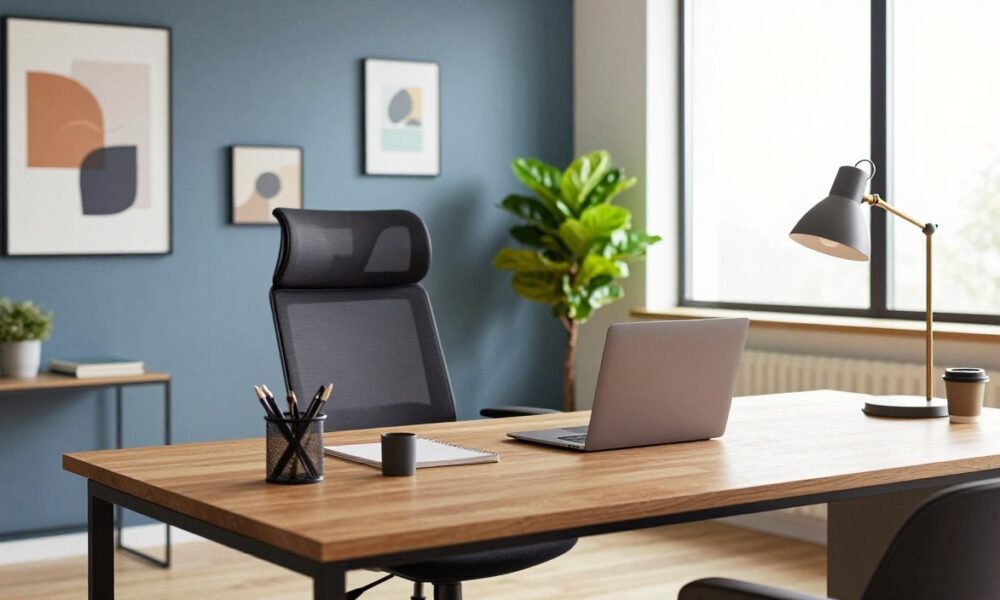
Think of the workplace as a system. Plan lighting, ergonomics, materials, color, and acoustics together. This approach helps avoid costly changes during a renovation.
Lighting strategy: daylighting, task lighting, and glare control
Layered lighting is key: ambient light for the whole space, task light for focused work, and accent light to guide attention. It’s also important to respect daylight, near windows and glass cabins.
To avoid screen glare, use diffused fixtures and smart placement. Meeting rooms need even lighting for clear video calls and readable whiteboards.
Ergonomics: seating, desk heights, and long-hour comfort
Ergonomics is about energy and posture. Start with workstations that fit keyboards, notebooks, and cables. Then, match desk and chair height for long hours and different body types.
Monitors should be at eye level, wrists neutral, and feet flat or on a footrest. In office design, flexibility is key. Adjustable chairs and sit-stand options help teams share spaces without strain during a renovation.
Color palettes, textures, and materials that fit corporate office renovation
Color should have a purpose. Use brand tones for feature walls, wayfinding, and key meeting rooms. Keep most surfaces quiet for visual comfort. This balance supports focus and feels on-brand in a renovation.
Materials should look premium and handle Indian conditions like dust and high footfall. Laminates and veneers keep a crisp finish, while scratch-resistant tops reduce visible wear. Anti-skid flooring improves safety, and stain-resistant fabrics make upkeep simpler.
| Design choice | Best-fit use in a corporate office renovation | Why it works in Indian workplaces |
|---|---|---|
| High-pressure laminate or veneer on wall panels | Reception backdrops, corridor cladding, meeting room feature walls | Easy to wipe, resists scuffs, keeps a polished look under daily traffic |
| Anti-skid vinyl or textured tile flooring | Pantries, entrances, print zones, high-movement aisles | Improves grip in wet seasons and handles frequent cleaning |
| Stain-resistant upholstery and modular soft seating | Collaboration zones, waiting areas, informal huddle corners | Better durability with food, coffee, and heavy use; quicker maintenance |
| Scratch-resistant worktops and edge-banding | Desks, hot-desking bars, storage counters | Reduces visible wear from bags, devices, and constant rearranging |
Acoustics: soundproofing, ceiling panels, and noise zoning
Noise can drain attention quickly. Sources include open-plan chatter, sales calls, and meeting rooms that leak sound. A good renovation plans for these issues early, before partitions and ceilings are finalized.
Use acoustic ceiling panels, better door seals, and partitions where privacy matters. Add soft finishes—upholstered seating, rugs in lounge zones, and fabric panels—to reduce echo. Noise zoning helps too: keep quiet focus areas away from pantries, printers, and large collaboration hubs.
- Focus zones: enclosed cabins or quiet bays with higher acoustic control
- Collaboration zones: soft finishes plus ceiling treatment to limit spillover
- Call zones: phone booths or small rooms placed away from core desks
Planning a Corporate Office Renovation Without Operational Downtime
A corporate office renovation can run smoothly if planned well. It’s like a live operation, not a shutdown. The goal is to keep people, data, and work going while the site is improved.
In India, the best results come from quick decisions and tight planning. This starts before any materials arrive.
Here’s a step-by-step guide to keep teams moving and reduce rework:
- Discovery: map teams, peak hours, meeting loads, and service constraints.
- Measurement: verify as-built dimensions, ceiling heights, MEP routes, and fire exit widths.
- Design freeze: lock layouts, finishes, and workstation counts with clear sign-offs.
- BOQ finalization: confirm quantities, specs, alternates, and lead times.
- Procurement: order long-lead items early and stage deliveries to avoid blocking corridors.
- Phased execution: move zone by zone with swing seating and clear access rules.
- Testing/commissioning: validate power, HVAC, data points, and safety systems per zone.
- Handover: close snags fast, update as-builts, and reset maintenance routines.
Phasing is key to a calm renovation. Renovate in zones, keep one “quiet core” active, and rotate teams through swing seating.
Use temporary partitions to control noise and sightlines, near reception and meeting rooms. Schedule demolition, drilling, and ceiling work at night or on weekends to cut disruption.
Operational risk control needs the same discipline as design. Protect IT racks with dust barriers, restrict access, and label every cable before any shift.
Plan power shutdown windows in advance, with backups for critical roles. Keep emergency exits open at all times, and maintain indoor air comfort with negative pressure, filters, and frequent housekeeping.
A professional office refurbishment also depends on people alignment. Leadership, HR, IT, admin, and building management should agree on working hours, lift usage, material movement, and escalation paths.
When approvals are slow, downtime grows. Set a cadence: weekly site reviews for progress and risks, plus daily critical updates during high-impact tasks.
| Phase | Downtime-minimizing tactic | Primary stakeholders | Sign-off point that prevents rework |
|---|---|---|---|
| Discovery + Measurement | Walkthroughs during low-traffic hours; confirm as-builts before design | Admin, IT, Building Management | Approved existing-condition plan and constraints list |
| Design freeze | Lock layout and MEP routes; freeze workstation count by department | Leadership, HR, IT | Signed layout + reflected ceiling plan + power/data schedule |
| BOQ + Procurement | Prioritize long-lead items; stage deliveries by zone to keep paths clear | Admin, Procurement, Contractor | Final BOQ with approved brands, specs, and alternates |
| Phased execution | Swing seating, temporary partitions, and night work for noisy tasks | Contractor, HR, Building Management | Zone readiness checklist before teams relocate |
| Testing + Handover | Commission per zone; fix snags before opening the next area | IT, Facilities, Safety Team | Commissioning report + safety verification + punch-list closure |
With this structure, corporate office renovation work stays predictable, even in a busy week. It also keeps a professional office refurbishment focused on outcomes, not firefighting.
Office Renovation Cost in India: Budgeting, Pricing Factors, and Value
In India, figuring out the cost of office renovation can be tricky until you know what needs to change. A good budget starts with knowing what must be updated, what can stay the same, and what the building allows. Good office renovation services help you break down the costs into layers. This way, you can adjust without breaking your budget.

The cost can vary based on the city and the condition of the site. For example, business parks in Bengaluru or Gurugram might have stricter rules. Older buildings might need more repairs. Also, if you need the work done quickly, it can cost more because of labor and logistics.
Key cost drivers: civil work, MEP, furniture, and finishing
Civil work is often the base: it includes partitions, flooring, leveling, and changes to doors or glass. Next, MEP coordination is crucial, covering electrical points, data cabling, HVAC tweaks, and fire-safety tie-ins. The final touches come from false ceiling grids, paint systems, carpentry, and hardware.
Furniture can be a big part of the cost, like ergonomic chairs and modular workstations. Specialty areas like server rooms, reception, and conference rooms also add to the cost. Office renovation services usually break down these costs so you can see what’s driving the price.
| Cost area | What it typically covers | Common budget risk | Value check before sign-off |
|---|---|---|---|
| Civil & partitions | Blockwork/drywall, flooring changes, glass doors, minor repairs | Late layout edits causing rework | Confirm final seating plan and circulation paths |
| MEP | Electrical, data, HVAC coordination, lighting circuits, earthing | Extra points added after wiring starts | Lock workstation counts and power/data per seat |
| Ceiling & finishes | False ceiling, paint, laminate, carpentry, signage prep | Material upgrades midstream | Approve samples and finish schedule early |
| Furniture & specialty areas | Workstations, chairs, storage, reception desk, meeting AV readiness | Lead-time delays and last-minute substitutions | Match product specs to warranty and delivery timeline |
Capex vs. opex decisions: leasehold improvements and asset planning
For leased offices, spending is often split into what stays with the site and what can move. Fixed partitions, ceiling work, and integrated HVAC changes usually fall under leasehold improvements. Modular furniture, loose storage, and some demountable partitions can behave more like moveable assets.
Office renovation services can protect long-term value. If a lease is short, it may be smarter to limit permanent changes and invest in items you can reuse. This approach can steady office renovation cost across future moves, instead of restarting from scratch.
Where to spend vs. where to save without compromising quality
Spend on what matters every day: ergonomic seating, lighting quality, acoustic control, and durable flooring in high-traffic zones. These choices support comfort, reduce complaints, and cut maintenance calls. They also prevent “cheap now, expensive later” cycles that inflate office renovation cost.
Save on elements that are easy to refresh, like décor panels, wall graphics, and non-critical feature finishes. You can still get a premium look by keeping a tight palette and repeating a few strong materials. Many office renovation services can offer alternates that look similar but install faster.
Creating a renovation scope that reduces change orders
Change orders usually come from decisions made too late. A design freeze, a clear BOQ, and written scope boundaries reduce surprise additions. Sample approvals help avoid swaps that trigger new lead times and labor.
Even a small layout move can ripple into partitions, power, data, and HVAC balancing. When that happens, office renovation cost rises quickly because multiple trades must return and redo work. Office renovation services that run detailed drawings and sign-offs upfront tend to keep pricing steady through execution.
Choosing Workplace Renovation Contractors and the Right Renovation Partner
Finding the right partner is key to a smooth office upgrade. In India, things can get complicated with schedules, approvals, and vendor handoffs. A good office renovation company can simplify this and keep your team focused.
What to look for in a professional office refurbishment team
Look for commercial experience, not just pretty pictures. Ask for a detailed BOQ, a project plan, and a realistic timeline. This timeline should include approvals, lead times, and any night work.
The best teams explain how they handle building management, security, and material movement. You want one person to be in charge, with daily updates you can reach.
Questions to ask a workplace renovation contractors shortlist
When comparing contractors, ask about their work under pressure. You want fewer surprises when demolition starts.
- Who runs the site every day, and how often will you get progress updates?
- How are change requests priced, and what gets signed off before work begins?
- What quality checks happen for MEP, partitions, flooring, and paint before the next trade starts?
- How do they plan work in an occupied office, including noise windows and dust control?
- How do they close punch lists, and what is their handover process for snags?
Reviewing portfolios, site supervision, safety, and workmanship standards
Look for projects that match your office size and needs. A good portfolio shows problem-solving skills, like handling tight timelines and phased execution.
Workmanship is seen in straight lines, clean junctions, and consistent details. On site, ask about material storage, debris removal, and asset protection.
Safety is more than paperwork; it’s about behavior. Expect clear signs, PPE, fire safety, and tidy housekeeping to keep everyone safe.
| What to check | What “good” looks like | What it protects |
|---|---|---|
| BOQ transparency | Line items with brand/model specs, quantities, and inclusions | Budget control and fewer scope disputes |
| Daily site supervision | Named site lead, attendance plan, and escalation path | Faster decisions and tighter coordination |
| Quality checkpoints | Mockups, hold points, and sign-offs before closing ceilings/walls | Lower rework and better finish consistency |
| Safety discipline | PPE use, barricading, fire extinguisher access, clear walkways | People safety and reduced incident risk |
| Housekeeping and storage | Defined storage zones, labeled materials, daily cleanup routine | Asset protection and smoother operations |
Contracts, warranties, and post-handover support
A solid contract sets clear expectations. Use payment milestones tied to deliverables, not dates. Include brand and model specifications for key items.
Confirm the defect liability period, warranty handling, and response time for fixes after move-in. The real test is in the first few weeks, when minor adjustments and quick repairs are crucial.
Commercial Property Renovation Compliance, Safety, and Building Approvals
Compliance is crucial in commercial property renovation. It keeps people safe, lowers legal risks, and keeps insurance valid. It also helps avoid stop-work notices that can harm your timeline.
Most delays come from small mistakes in permissions. In commercial remodeling, approvals cover work hours, noise limits, and where tools and materials can be placed. Clear rules early on make daily work smoother.
Building coordination is practical, not just paperwork. You might need permissions for lift booking, loading bay access, and moving materials. Debris disposal plans are also important, as many buildings restrict waste exit times and routes.
Some activities need extra checks, like drilling, core-cutting, and façade changes. These can trigger structural reviews and neighbor impact concerns. Confirm these limits before finalizing the design and BOQ.
| Approval or Control | What It Covers | Why It Impacts Schedule |
|---|---|---|
| Work-hour permission | Daytime vs. night work, weekend access, noise windows | Defines crew shifts and can limit high-noise tasks to short slots |
| Material movement plan | Loading bay timing, corridor protection, route mapping | Avoids conflicts with other tenants and reduces damage claims |
| Lift usage booking | Service lift reservations, weight limits, padding requirements | Prevents long waits that stall deliveries and furniture install |
| Debris disposal protocol | Segregation, bagging, chutes, authorized disposal timing | Stops site congestion and avoids fines for improper disposal |
| Hot work and electrical permits | Welding, cutting, temporary power, lockout/tagout practices | Controls high-risk tasks and reduces shutdowns after incidents |
Safety planning is key from day one to handover. Keep fire exits open at all times, even with shifting partitions. Simple controls like clear walkways and barricaded hazards prevent most injuries.
Electrical safety needs strict routines. Use labeled temporary DBs, proper earthing, and protected cable runs. Add dust and noise controls, like sealed work zones and scheduled loud tasks, so teams can work without constant disruption.
- Emergency readiness: visible muster points, first-aid access, and a shared escalation list
- Housekeeping: daily cleanup, waste segregation, and slip-trip control in corridors
- Fire safety: clear egress paths, functional detectors where required, and no blocked stairwells
- Indoor comfort: dust barriers, negative air where needed, and planned HVAC shutdown windows
Documentation is key for a smooth-running office. For commercial remodeling, a disciplined handover includes as-built drawings, O&M manuals, and a clean list of warranties. Facilities teams rely on these records for maintenance, audits, and future fit-outs.
Align early with building management and local requirements for a predictable project. When approvals, safety controls, and handover documents are planned upfront, commercial property renovation work tends to move faster with fewer cost shocks.
Office Renovation Ideas That Elevate Style and Performance
The best office renovation ideas should feel great from the start and still work months later. Good office design makes daily tasks easier, reduces noise, and is easy to keep clean.
Even small changes can improve how teams work, meet, and take breaks. Choosing practical options makes the office look better and run smoother.
Biophilic design: plants, natural textures, and wellness cues
Adding biophilic touches is a simple way to make the office feel calmer without adding trouble. Use easy-to-care-for plants like snake plants, ZZ plants, pothos, or peace lilies.
Combine these plants with wood, cane, and stone-look laminates to warm up the space. Place plants near reception, along paths, and by collaboration areas. This softens hard edges and reduces stress.
Smart office upgrades: access control, sensors, and meeting tech
Smart upgrades make the office more efficient, not more complicated. Access control at entry points helps with visitor flow and attendance.
Occupancy sensors and daylight-linked lighting save energy in meeting rooms and corridors. For hybrid calls, plan camera height, mic placement, and strong Wi-Fi for clear meetings.
Space-saving storage and clutter-free workstations
Clutter kills productivity, so good storage is key. Built-in storage walls can replace scattered cabinets and keep walkways open.
Create organized print and utility points with labeled shelves and hidden bins. Add cable trays and under-desk routing for clean worktops and great photos.
Lockers store personal items without taking up desk space. A simple “clear desk” setup makes end-of-day resets quick for cleaning.
Cafeteria and breakout areas that boost retention and culture
A cafeteria should match how people take breaks: quick meals, longer chats, and short informal meetings. Choose easy-clean surfaces, durable upholstery, and varied seating.
Include quiet corners for one-on-ones and a small perch near the pantry for huddles. These ideas support culture while keeping the space usable every day.
| Upgrade | What it looks like in the office | Measurable benefit | Upkeep tip |
|---|---|---|---|
| Biophilic touches | Clustered planters, wood-tone panels, stone-look counters | Calmer mood cues and a more welcoming client experience | Use hardy plants and set a simple weekly watering schedule |
| Smart meeting rooms | Correct camera placement, acoustic panels, reliable connectivity | Fewer delays, clearer calls, and shorter meeting overruns | Standardize one room setup so troubleshooting stays quick |
| Storage-first planning | Built-ins, lockers, tidy print zone, cable management | More usable space and less visual noise on the floor | Assign owners for supplies and set monthly clean-out rules |
| Breakout-focused cafeteria | Mixed seating, quick huddle spots, durable easy-clean finishes | Higher daily use, better bonding, and smoother informal collaboration | Pick stain-resistant materials and keep cleaning access simple |
Conclusion
A strong renovation starts with clear goals. Decide what your team needs most. This could be more focus space, better meetings, smoother visitor flow, or room to grow.
Once you know what you need, office renovation services can create a layout that looks great and works well every day.
Design should improve performance, not just style. Good lighting, ergonomics, acoustics, and storage reduce daily friction. This helps people stay focused on their tasks.
With smart phasing, your office can keep running while work moves zone by zone. This way, your office stays functional during renovations.
Budgeting is key to a successful project. A tight scope, realistic material choices, and fewer change orders protect timelines and quality. The right contractors also manage site safety, coordination, and workmanship.
In India, a polished workspace does more than impress visitors. It builds client trust, supports culture, and helps teams do their best work. If you are ready to plan office renovation services with contractors who understand outcomes, reach out.
📞 Call us today to schedule a free consultation
🌐 Website: www.decoratr.in
📧 Email: shailendra.bharadwaj@decoratr.in
📱 WhatsApp: +91-7838900414
FAQ
What do office renovation services include for a modern workplace?
How is commercial space remodeling different from a simple office refresh?
Should we hire a turnkey office renovation company or manage multiple vendors?
What’s the typical timeline for a corporate office renovation in India?
How can we renovate without disrupting daily operations?
What are the biggest factors that influence office renovation cost in India?
Where should we spend more, and where can we save, without lowering quality?
What should we look for in workplace renovation contractors?
What questions should we ask before signing with an office renovation company?
What compliance and approvals are needed for commercial property renovation?
Which office renovation ideas deliver the biggest impact for teams and clients?

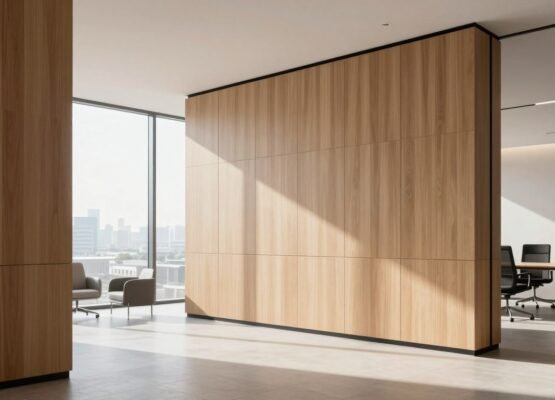
Wall Panels for.
Your office walls speak volumes about your company. They create the first impression for clients. They set the mood for your team..

Elevate Your Space.
What if your office or store looks “fine,” but it’s quietly costing you sales, time, and team energy every single day? As.