
Simple Office Interior Design Ideas
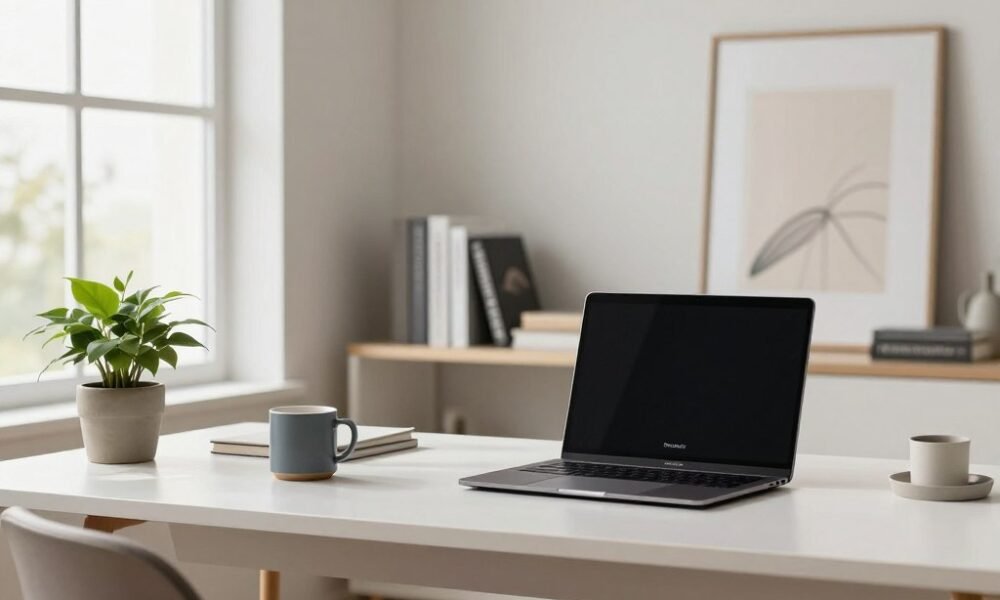
Imagine if your workspace could boost productivity by 30% and save money while looking better. This isn’t just a dream—it’s real with smart, simple workspace designs.
In India, businesses face big challenges. Office spaces are expensive, and budgets are tight. But, the need for professional workspaces keeps growing.
That’s where simple office design becomes key. At Decoratr, we mix function and beauty for Indian businesses. We’ve helped many change their workspaces without spending a lot.
In this guide, we’ll share tips that keep traditional values but also use new ideas. Whether you’re redoing an office or your home office, you’ll find ways to save money. These ideas will also make your workplace better for your team and your company’s image.
Want to change your workspace? Call us today for a free consultation at www.decoratr.in, email shailendra.bharadwaj@decoratr.in, or WhatsApp +91-7838900414.
Key Takeaways
- Minimalist workspaces can increase productivity by up to 30% through reduced visual distractions
- Effective workspace planning doesn’t require massive budgets—smart choices matter more than expensive investments
- Indian businesses face unique space and budget constraints that demand tailored solutions
- Corporate simplicity balances professional aesthetics with functional requirements
- Strategic planning serves as an investment in employee wellbeing and company reputation
- Contemporary workspace principles can harmonize with traditional Indian workplace values
Fundamentals of Simple Office Interior Design
Creating a productive office starts with understanding simplicity in design. These core principles guide our choices, from furniture to layout. They help us build offices that support our teams, not distract them.
The path to minimalist workspace decor is about making intentional choices. It’s not about less, but about what truly enhances our workday. This philosophy is changing Indian workplaces, from tech startups to traditional businesses.
The Philosophy Behind Minimal Workspaces
Minimalism in office design aims to reduce distractions. It goes beyond looks to affect how we think and work. By removing the unnecessary, we focus on what’s important.
The Japanese concept of “Ma” shows the value of empty space. It teaches us not to fill every corner or wall. This means our spaces can be clean and open.
Adapting these ideas to Indian workplaces doesn’t mean losing warmth. A minimal approach means being careful about what we include. It doesn’t make spaces cold or unwelcoming.
Many think minimalist offices lack personality or feel cold. But, when every element has a purpose, the space becomes clear and intentional. This makes employees feel calm and focused.
- Less visual clutter means less mental stress
- Simple environments help us make better decisions
- Clear spaces encourage creativity
- Intentional design shows our values
Creating Balance Between Function and Beauty
A clean professional office setup balances function and beauty. This ensures our spaces are efficient and inspiring. We can’t sacrifice one for the other without losing the whole point.
Ergonomic needs are key to functional design. Indian labor laws focus on worker comfort and safety. We choose furniture that meets these needs while looking good.
Planning traffic flow is crucial in Indian offices. Many have shared spaces and zones for collaboration. We need paths that allow easy movement without disrupting work areas.
Branding should be thoughtfully integrated, not overwhelming. A single statement piece can make more impact than many decorations. This keeps the space looking cohesive while showing our identity.
Here are some tips for balancing form and function:
- Choose desks with clean lines that complement each other
- Find storage that hides clutter but is still easy to access
- Use consistent materials and finishes for visual harmony
- Integrate technology seamlessly to avoid clutter
Building a Foundation Without Clutter
Creating a functional office layout starts with getting rid of unnecessary items. This decluttering process is the foundation for everything else. Without it, even the best designs won’t work.
Implementing the “one in, one out” rule is helpful for Indian offices. This rule prevents clutter from building up. It keeps our spaces organized and planned.
Daily tidying routines help maintain order. We dedicate 10 minutes each day to keep things in order. This habit stops small messes from becoming big problems.
Paper management is still important in many Indian offices, even with digital efforts. We handle physical documents regularly. Designating areas for papers, action items, and archives keeps things organized.
Activity-based zoning organizes spaces based on how we work. Different tasks need different settings. We create areas for focused work, discussions, and informal chats.
Here’s how we structure zones effectively:
- Quiet zones: Minimal distractions, acoustic treatments, and private workstations
- Collaboration areas: Flexible furniture, writable surfaces, and technology
- Support spaces: Organized storage, document systems, and shared resources
- Transition zones: Brief spots, meeting areas, and relaxation corners
These principles respect Indian workplace culture. We honor traditional seating while allowing for modern work styles. Our design supports shared spaces without losing simplicity.
Mastering these basics prepares us for decisions on colors, lighting, and furniture. The groundwork we lay here shapes whether our office design meets our goals and supports our team’s success.
Color Palettes and Lighting for Clean Professional Office Setup
Color and light greatly affect how we feel and work in an office. They create the atmosphere of the space. The right mix makes the office feel welcoming and productive.
In India, choosing colors and lights is tricky. The intense sun, monsoon seasons, and different tastes all play a part. We need to balance old designs with modern needs.
Selecting Productive Color Schemes
Colors affect our mood and focus at work. Different colors trigger different feelings and thoughts. We start with neutral colors and add special colors carefully.
Choosing colors depends on the work done in each area. Creative teams need different colors than analytical ones. Think about the work before picking colors.
Neutral Base Colors for Professional Environments
Neutral colors are key for a simple office look. They provide a calm background that doesn’t clash with screens. We pick shades that work well in Indian offices.
Warm whites help with the strong Indian sun. They reflect light well without feeling too cold. Try “White Glove” by Asian Paints or “Blushing White” by Berger.
Soft grays add sophistication without feeling cold. They look good on video calls and add a professional touch. Consider “Elegant Grey” by Nerolac or “London Fog” by Asian Paints for main areas.
Beige and taupe tones add warmth while staying professional. They’re great for reception and executive areas. Berger’s “Sandstone” is good for busy spots.
“Color is a power which directly influences the soul. Color is the keyboard, the eyes are the hammers, the soul is the piano with many strings.”
Choose matte or eggshell finishes for walls. They reduce glare and are easier to clean. Indian paints are weather-resistant and suitable for offices.
Strategic Accent Colors for Focus Areas
Accent colors have specific roles, not just to look good. They mark different zones, show company branding, or boost certain thinking. Pick them wisely.
Blue tones help with focus and thinking. They’re great in meeting rooms and focus areas. A blue accent wall can boost meeting productivity.
Green shades calm and help solve problems. They reduce eye strain and balance the space. Use green in brainstorming and break areas.
Warm accents like coral or terracotta energize teamwork areas. They encourage talking and teamwork. Use them in areas for discussions.
Integrate company colors thoughtfully. Use them in reception and meeting rooms for a strong impression. Avoid overusing them to keep the space functional.
Optimizing Natural and Artificial Lighting
Lighting affects well-being, productivity, and energy use. A good lighting plan uses natural and artificial light well. It keeps the space bright and saves energy.
Indian offices face big lighting challenges. We need flexible solutions for bright days and dark monsoons. Energy efficiency is key.
Maximizing Daylight in Indian Office Spaces
Natural light boosts mood, sleep, and saves energy. But Indian sun can cause glare and heat. We need to control the light.
Window treatments are crucial for managing Indian sun. Sheer curtains or blinds let in soft light but block harsh rays. Avoid heavy drapes that block all light.
Strategic desk placement gets morning light when it’s best. Place desks away from windows but still get ambient light. This avoids glare and harsh light.
Light-reflecting surfaces spread natural light in the office. Light walls, glass, and glossy floors bounce light. This reduces the need for artificial light during the day.
Many Indian offices follow Vastu principles for light and space. We respect these traditions but focus on modern design too. The best approach balances both.
Energy-Efficient Artificial Lighting Solutions
The right artificial light system provides steady light and saves energy. LED lights are efficient and last long. Choose trusted Indian brands for good value.
| Lighting Type | Best Application | Recommended Products | Approximate Cost |
|---|---|---|---|
| LED Panel Lights | General office areas | Philips SmartBright Panel, Havells Neo LED Panel | ₹800-1,500 per unit |
| Task Lighting | Individual workstations | Wipro Garnet LED Desk Lamp, Syska Flexi LED | ₹600-1,200 per unit |
| Ambient Lighting | Reception and break areas | Havells Adore LED, Philips Hue Smart Lights | ₹1,200-2,500 per unit |
| Track Lighting | Focus walls and displays | Crompton Track LED, Philips Essential Spotlight | ₹1,500-3,000 per fixture |
Light levels vary by task. General work needs 500 lux, while detailed tasks need 750 lux or more. Layered lighting meets these needs without breaking the bank.
Switching to LEDs saves a lot of energy. A 1,000 square foot office can cut lighting costs by 60-70% compared to old lights. LEDs pay for themselves in 18-24 months through savings.
Motion sensors and daylight systems save even more energy. They turn lights on only when needed and at the right brightness. Affordable smart lighting options are available for small and medium offices.
Minimal Wall Treatments and Decor
Wall decor in simple offices should be chosen carefully. Each item should have a purpose, not just fill space. Quality is more important than quantity.
Indian offices often have too many decorations. Instead, choose a few meaningful items that reflect company values. Less is more here.
Functional wall elements include whiteboards, magnetic boards, and acoustic panels. They serve practical and visual purposes. Choose frames and mounts that fit your style.
Artwork selection should match your company culture and be professional. A single large piece has more impact than many small ones. Support local Indian artists whose work aligns with your team’s values.
Achievement displays need a dedicated space, not random placement. Create a gallery wall in common areas with uniform framing. This honors achievements while keeping the space tidy.
Simple wooden shelving with a few select items adds interest without clutter. Display a sculpture, a plant, or meaningful objects. Regularly update displays to keep them fresh and intentional.
The goal of simple office design is to add value, not just decoration. If something doesn’t support productivity or company culture, reconsider it.
Budget-Friendly Office Design with Space-Saving Furniture
Creating an office that’s both efficient and comfortable doesn’t have to break the bank. In India, businesses often face tight budgets while still needing quality workspaces. Luckily, budget-friendly office design has evolved, offering great value without sacrificing functionality or comfort.
Choosing the right furniture is key to cost-effective office design. By focusing on what’s essential and avoiding extras, we can make workspaces that boost productivity. It’s about understanding which investments pay off in terms of employee health, space, and durability.
Creating an Ergonomic Office Environment
Ergonomics is an investment in employee health and productivity. An ergonomic office environment reduces injuries, cuts down on absences, and shows you care about your team. Studies show that proper ergonomic support boosts focus and reduces fatigue.
Many Indian businesses think ergonomic furniture is too expensive. But, the local market now has many affordable options that still offer essential ergonomic features. We’ve seen how even small ergonomic improvements can lead to big gains in productivity and employee happiness.
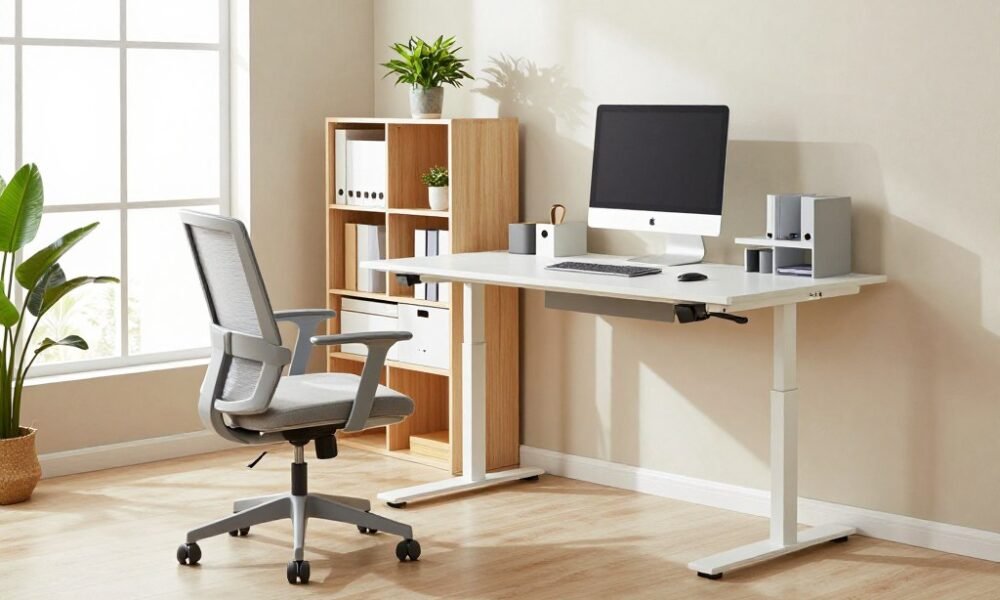
Quality seating doesn’t have to be pricey if you know what matters most. Brands like Featherlite, Wipro Furniture, and Godrej Interio offer ergonomic chairs with key features for ₹8,000 to ₹25,000. These brands know the Indian market well and design products that are both affordable and quality.
When picking chairs on a budget, focus on three must-haves. First, adjustable seat height ensures proper desk alignment for different heights. Second, lumbar support keeps the spine straight during long sits. Third, a stable five-star base with smooth casters adds safety and mobility.
Features like headrests, advanced tilt mechanisms, and adjustable armrests can add comfort but aren’t essential for basic ergonomic support. Online stores like Pepperfry and Urban Ladder often have good deals on ergonomic seating, making it easy to compare prices. New Indian brands also offer great value, even for bulk purchases.
Height-Adjustable and Modular Desks
Desk flexibility is key, as prolonged sitting can harm health. Height-adjustable desks let employees switch between sitting and standing, improving health. In India, manual desks start at ₹15,000, while motorized ones cost more but are more convenient.
Modular desk systems are great for growing businesses and startups. These space-saving office furniture solutions can change as your team grows or needs change. Modular desks are perfect for co-working spaces where flexibility is crucial.
Indian offices are often smaller than those in the West, so desk sizes need careful thought. A desk width of 48-60 inches is usually enough without taking up too much space. Choosing materials wisely also affects the budget—engineered wood with durable laminate is a better value than solid wood.
| Furniture Type | Price Range (INR) | Key Features | Best For |
|---|---|---|---|
| Ergonomic Office Chair | ₹8,000 – ₹25,000 | Lumbar support, height adjustment, stable base | Individual workstations, daily use |
| Manual Height-Adjustable Desk | ₹15,000 – ₹30,000 | Sit-stand capability, durable mechanism | Health-conscious employees, flexible work |
| Modular Desk System | ₹12,000 – ₹35,000 | Reconfigurable, scalable, space-efficient | Growing teams, collaborative spaces |
| Multi-Functional Storage Unit | ₹6,000 – ₹18,000 | Combined seating/storage, room division | Small offices, meeting rooms |
Multi-Functional Furniture Solutions
Creative furniture choices can make the most of limited space while keeping costs down. Multi-functional pieces serve more than one purpose, reducing the need for many items. Storage ottomans, for example, provide extra seating in meetings while hiding supplies.
Bookshelf room dividers are another smart budget-friendly office design strategy. They create separate areas in open-plan offices while offering storage on both sides. We’ve successfully used this solution in many Indian offices where traditional walls are too expensive or inflexible.
Wall-mounted fold-down desks are great for hot-desking or small offices needing extra space. When not in use, these desks fold flat against the wall, saving floor space. Local carpenters and furniture makers in India often provide custom solutions at better value than branded ones, which is helpful for unique designs or sizes.
The best furniture investments are those that adapt to your changing needs rather than becoming obsolete as your business grows.
Indian manufacturers are now focusing on space-efficient solutions for compact commercial spaces. They understand local space constraints, budget needs, and aesthetic preferences. Their products often include innovative features that address common Indian workplace challenges.
Smart Storage for Small Office Organization Ideas
Effective storage solutions prevent clutter and make the most of every square foot. Indian offices face unique storage challenges due to high real estate costs and the need for both digital and physical documentation. Strategic storage planning ensures everything has a place without causing visual chaos.
The shift to paperless operations is still incomplete in many Indian businesses, requiring storage for various document sizes. Legal-size files are common, so we design storage systems that fit these sizes. Proper planning prevents the frustration of buying storage that doesn’t meet actual needs.
Vertical Storage Systems
Vertical space is often underutilized in Indian offices, thanks to high ceilings in older buildings. Floor-to-ceiling shelving and wall-mounted cabinets increase storage without taking up more floor space. These small office organization ideas are very useful in cities where space is expensive.
Pegboard systems offer flexible, customizable storage that adapts as needs change. They can be rearranged without permanent changes, making pegboards ideal for rental offices. The easy access of pegboard storage also speeds up workflow by keeping important items within reach.
Closed storage keeps offices looking clean and organized better than open shelving. While open storage is cheaper upfront, it needs constant organization to avoid looking messy. We recommend investing in cabinets with doors for space-saving office furniture that keeps things tidy and dust-free.
Hidden and Integrated Storage
Built-in storage solutions eliminate clutter and maximize functionality. Desks with built-in filing systems keep documents accessible yet out of sight, supporting focus and productivity. Under-desk mobile pedestals provide extra storage that moves with employees, useful in flexible seating setups.
Cable management is crucial in modern offices with lots of technology. Tangled cables can be a mess and a safety hazard. Integrated cable management systems, built into desks, walls, or floor channels, solve this problem affordably. Simple solutions like cable trays, clips, and sleeves can turn chaotic wire tangles into organized, hidden paths.
Planning storage around actual workflow prevents expensive mistakes and ensures systems support daily operations. We assess document types, access frequency, and growth projections before recommending storage solutions. This thoughtful approach delivers small office organization ideas that stay functional as businesses grow.
Implementing budget-friendly office design doesn’t mean settling for low quality or ignoring employee comfort. By focusing on essential features, choosing versatile furniture, and using vertical space, we create efficient, comfortable workspaces within realistic budgets. The Indian market offers many options at various prices, making quality office design accessible to businesses of all sizes.
For personalized recommendations on budget-friendly office furniture solutions tailored to your specific space and requirements, contact us at www.decoratr.in, email shailendra.bharadwaj@decoratr.in, or WhatsApp +91-7838900414. Our team understands the unique challenges Indian businesses face and can guide you toward furniture selections that maximize value while creating an ergonomic office environment your team will appreciate.
Modern Office Space Solutions for Indian Workplaces
Indian offices are changing, moving from old cubicles to open, team-based spaces. This change respects Indian culture and work needs. It’s about finding the right mix of global trends and local tastes.
Good offices today are flexible, tech-ready, and focus on employee health. They help people work better and adjust to new business needs. It’s all about knowing how Indians work best.
Strategic Workspace Planning
Planning office space starts with knowing what Indian businesses need. Offices usually give 60 to 80 square feet per person. This space includes work areas, paths, meeting rooms, and shared spots.
Using zones in the office helps. Focus areas for work and social spots for teams. This setup keeps teams close but also lets them meet others.
Planning how people move around is key. Quiet areas are far from busy spots like entrances. Senior offices need privacy but still be easy to reach.
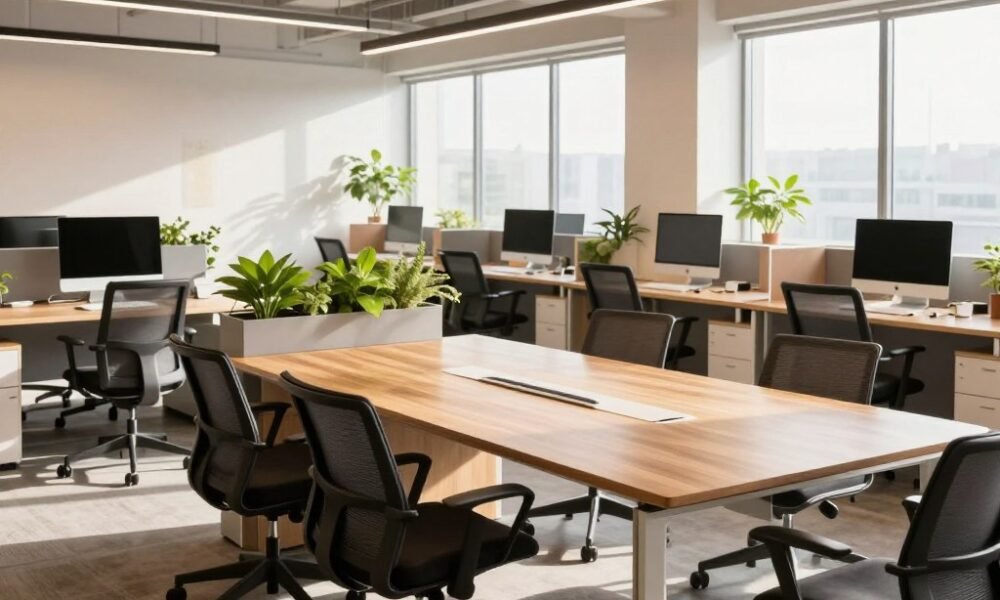
Many Indian offices follow Vastu principles for the front and top offices. We keep these traditions while keeping designs simple and efficient. Prayer or meditation rooms are also common, fitting well into the space.
| Office Size | Recommended Capacity | Layout Features | Priority Zones |
|---|---|---|---|
| 1,000 sq ft | 12-15 employees | Open plan with 2 meeting rooms, shared workstations | Collaborative area, compact storage, reception |
| 2,000 sq ft | 25-30 employees | Mixed layout with departments, 3-4 meeting spaces, executive cabin | Team neighborhoods, phone booths, pantry, storage |
| 5,000 sq ft | 60-75 employees | Zoned departments, multiple collaboration areas, training room | Quiet zones, social spaces, wellness room, ample storage |
Building Effective Collaboration Zones
Collaboration areas serve different needs in an office. We suggest having various spaces, not just one big room. Informal breakout areas with comfy seats help with quick chats and ideas.
Formal meeting rooms need good tech like video calls and displays. They should fit different meeting sizes. Using modular furniture helps change the room setup easily.
Phone booths or small rooms are key in open offices. They help with private calls and video meetings. These spots offer quiet without needing big meeting rooms.
Good sound design is crucial in open offices. We use sound-absorbing materials and place collaboration areas wisely. Background music can also help.
Writable walls help teams brainstorm. Whiteboard paint or glass boards encourage creative thinking. Make sure there are enough power outlets for devices.
Integrating Technology Seamlessly
Technology is key in modern Indian offices. Fast internet is a must, but it varies. Having backup internet is smart.
Power infrastructure needs careful planning. Enough outlets and UPS systems prevent power issues. Place outlets where they’re needed but still look good.
Cable management keeps designs clean. Use cable trays and wireless tech when you can. Wireless charging and cloud sharing reduce cables.
Good video conferencing is important in today’s work world. Meeting rooms need the right lighting and camera setups. Good acoustics are also important.
Open offices mean keeping screens private. Use privacy screens and secure storage for sensitive info. Design workspaces to protect privacy.
Enhancing Wellness Through Nature
Adding plants brings nature into offices. Plants reduce stress, improve air, and boost productivity. They’re great in polluted cities.
Choose plants that do well indoors and need little care. Snake plants and money plants are good choices. Areca palms add height and soften hard edges.
ZZ plants are tough and low-maintenance. They’re perfect for busy offices. Avoid plants that need too much care or drop leaves.
Place plants to make a big impact without cluttering. Use them to soften architecture. Corner plants can brighten up unused spots.
Make sure plants are easy to care for. Assign someone to take care of them or hire a service. Use planters that fit the office style.
Grouping plants makes a bigger statement. Three to five plants together look better than single pots. Avoid too many small pots that collect dust.
Modern offices in India need to be flexible. They should support work and make a good place to be. By focusing on layout, tech, and wellness, we create offices that work well for everyone.
Conclusion
Creating a great workspace doesn’t need big changes or a lot of money. Simple office design shows that smart choices help teams grow and businesses thrive.
Your office is a key asset. It affects how happy your employees are, what clients think, and how well you work every day. Whether it’s your first office or a new look for your company, these design tips fit your needs.
We get the challenges Indian businesses face. From finding space in cities to getting good materials, Decoratr has the local know-how. Every business is different, based on what they do, their culture, team size, and budget.
Begin with small steps. Clean up your space. Move furniture to improve flow. Add plants or change the lighting. These small changes help right away while you plan bigger updates.
We encourage you to change your workspace with our help. Our free consultation service helps you see what you need and gives you tailored advice. Visit us at www.decoratr.in, email shailendra.bharadwaj@decoratr.in, or text us on WhatsApp at +91-7838900414.
Start making your office a place of both work and inspiration. Your perfect workspace is waiting for you.
FAQ
What is simple office interior design and why is it beneficial for Indian workplaces?
How can we create a budget-friendly office design without compromising on quality or employee comfort?
What color schemes work best for creating a clean professional office setup in Indian environments?
How can we maximize natural lighting while managing India’s intense sunlight and monsoon seasons?
What are the most effective space-saving office furniture solutions for small Indian offices?
How do we plan a functional office layout that accommodates both focused work and collaboration?
What indoor plants work best for Indian offices and how should we incorporate them?
How can we create an ergonomic office environment within budget constraints?
What technology infrastructure should we plan for modern office space solutions?
How can we maintain corporate interior simplicity while accommodating Indian workplace cultural practices?
What are the first steps we should take to implement simple office interior design in our existing workspace?

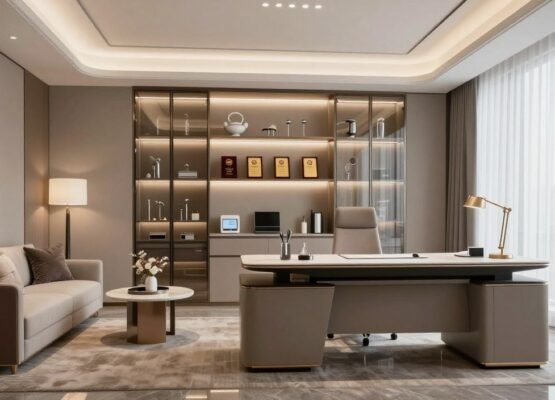
Modern MD Room.
What if the most “luxurious” room in your home isn’t the one with the most décor—but the one with the least, done.
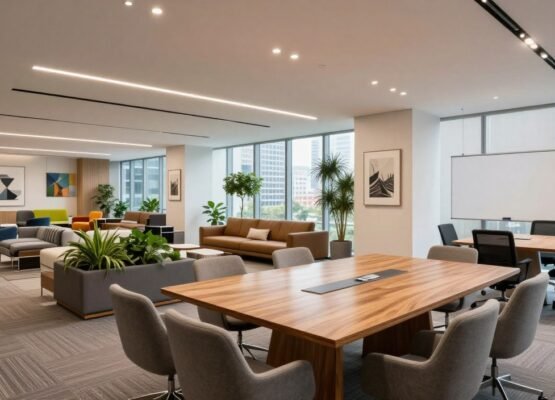
Unlock the Power.
What if your office is the reason strong candidates say “no,” even when the role is right? In India, a workplace must.