
Elevate Your Walls: Interior Wall Design Ideas
What if the “small” feel of your home isn’t about square feet at all? It’s about what your walls are (and aren’t) doing for you?
In Indian homes, walls face a lot. They deal with strong sun, monsoon humidity, dust, and busy family routines. But a smart interior wall design can make a room feel calmer, brighter, and even larger. All without knocking down a single wall.
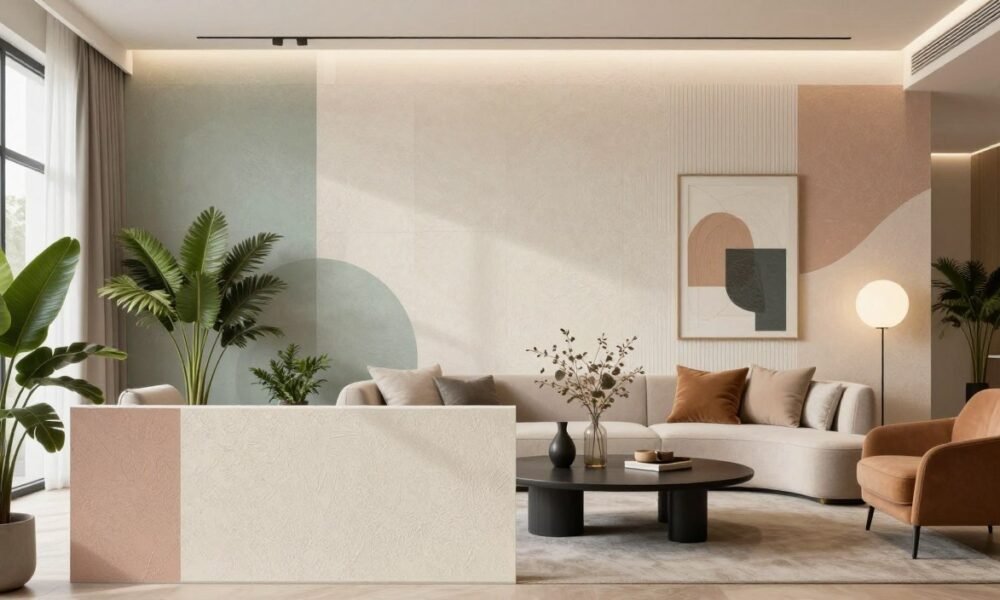
When we talk about wall design, we mean more than just paint. We’re talking about texture, paneling, murals, lighting, niches, and art that fits the room. Done right, interior wall decor ideas turn the largest surface in your home into a clean, intentional canvas.
Our approach is practical. We consider rental-friendly options versus long-term upgrades. We plan for compact rooms, joint-family living, and real maintenance. We also help you avoid common mistakes like heavy texture that traps dust, glossy finishes that glare in daylight, and undertones that look “off” by evening.
By the end of this guide, you’ll know where to invest. Like choosing one feature wall versus a full-room finish. And how to build a coordinated interior wall design across spaces. And if you want support, we can help plan, visualize, and execute upgrades. So your interior wall decor ideas look consistent from room to room.
Key Takeaways
- interior wall design can change how big, bright, and balanced a room feels without a renovation.
- Wall design includes paint plus finishes, texture, paneling, lighting, niches, and wall art.
- Indian conditions like dust, humidity, and harsh daylight should guide material and finish choices.
- Smart interior wall decor ideas focus on one strong upgrade instead of overdoing every wall.
- Avoid common errors: over-texturing, harsh gloss, and the wrong color undertones.
- Coordinated interior wall decor ideas help rooms feel connected, even in compact layouts.
Modern Interior Wall Design Trends for Indian Homes
In Indian cities, our walls do more than just look good. They handle daily traffic, video calls, and mixed-use rooms. So, modern interior wall design is both beautiful and practical. Trends are shaped by compact apartments, hybrid work setups, and finishes that need less upkeep.
Wall choices are also influenced by how a room feels at night. Layered lighting, like wall washers and sconces, can soften hard edges. This makes textures read better. Acoustic comfort is key, too, in living rooms and bedrooms where echoes can build up.
Another trend is the “camera-ready” backdrop. A clean panel line, a calm paint color, or one art-led zone can frame us well on a call. These trends push us toward wall plans that look composed from more than one angle.
What’s shaping home choices right now
Social media sets the pace, but daily life sets the rules. We save ideas fast, then edit them to fit Indian budgets and local labor. Modern interior wall design leans toward durable paints and details that don’t chip easily.
Lighting and sound are now part of wall planning. Adding sconces, picture lights, or a soft wall wash can reduce glare. For quieter rooms, we pair fabric accents, slatted panels, or textured finishes with soft furnishings to cut noise.
Three style routes that suit everyday spaces
Minimalist rooms work best with a calm palette and clean lines. Think warm neutrals, subtle plaster texture, and concealed storage. We use fewer decor pieces, but each one has more impact.
Maximalist looks can feel organized when we repeat accents. Color blocking, patterned wallpaper, or stenciling can sit behind a sofa or dining area. A gallery wall tells a personal story. The key is to limit the color family so the wall reads bold, not busy.
Contemporary style sits in the middle and adapts well to most floor plans. We balance a steady base color with mixed materials like wood tones, metal trims, and stone-look panels. One “hero” element per room—paneling, art, or a strong texture—keeps modern interior wall design crisp and focused.
| Style direction | Wall approach | Best fit for Indian homes | Practical watch-outs |
|---|---|---|---|
| Minimalist | Neutral paint, fine texture, hidden storage lines, clean panel breaks | Compact apartments, calm bedrooms, work-from-home corners | Shows smudges; choose washable paint and keep high-touch zones protected |
| Maximalist | Color blocking, wallpaper or stencil, gallery wall, layered frames | Living rooms, dining walls, entry backdrops for a strong first impression | Can overwhelm small rooms; repeat 2–3 accent colors to keep it cohesive |
| Contemporary | Balanced palette, wood + metal + stone looks, one hero feature per room | New-build flats, open-plan layouts, rental-friendly upgrades | Too many materials can clash; limit finishes and align tones across rooms |
Global ideas, Indian craft, and materials
Many interior design trends start global, but they land best when we translate them with local skill. Cane and rattan details bring warmth without adding visual weight. Indian hardwood tones, handcrafted metalwork, and subtle stone looks can feel premium while staying grounded.
Traditional motifs also fit modern homes when we scale them down. Jaali-inspired patterns, thin stencil borders, or a single motif panel can nod to heritage without turning the wall into a theme. When we choose details that tradespeople can execute well, the finish looks sharper and lasts longer.
interior wall design That Balances Style and Function
Before we dive into colors and textures, we need to understand how our homes work. Good interior wall design focuses on movement. This includes the corners we brush past, the switchboard zone we touch every day, and the wall behind the sofa that takes the most wear.
We also observe how sunlight moves across walls from morning to evening. This simple check helps us place art, avoid harsh glare on a TV, and choose finishes that won’t look washed out by noon.
Planning for traffic, lighting, ventilation, and daily use
In many Indian homes, cross-ventilation brings comfort but also dust. During monsoon months, humidity can linger. So, we plan for surfaces that won’t trap dampness and for edges that are easy to wipe.
High-touch areas need extra care: around door frames, near dining seats, and beside kids’ study desks. This is where creative wall designs work best when they are modular, repairable, and not too deep to clean.
Designing walls room-by-room: living room, bedroom, kitchen, hallway
In the living room, we pick one anchor wall behind the TV or sofa and keep the rest calmer. We control screen glare with softer contrasts and leave breathing room for family photos or a neat gallery without crowding the space.
In the bedroom, we lean into quiet tones and gentle texture. Upholstered panels or wood slats can shape a headboard wall, while warm, diffused lighting keeps the surface soothing at night.
In the kitchen, practicality leads. We protect the backsplash zone and the nearby walls where steam and oil travel, using stain-resistant finishes that handle frequent cleaning.
In the hallway or foyer, scuffs are a given. We favor tougher paint, add a mirror to bounce light, and consider slim ledges or niches so essentials stay organized without clutter.
| Room | Functional stress points | Practical creative wall designs | Finish priority |
|---|---|---|---|
| Living room | TV glare, sofa alignment, fingerprints near switches | Framed molding grid, half-wall treatment, art rail for easy swaps | Low-sheen, wipeable paint to reduce reflections |
| Bedroom | Headboard wear, low light, dust on textured surfaces | Upholstered panels, vertical slats to add height, subtle paneling | Easy-clean matte with stain resistance for calm looks |
| Kitchen | Steam, oil mist, frequent scrubbing near counters | Extended backsplash, smooth wall band, compact open niche for daily items | Washable, scrub-resistant coating with strong adhesion |
| Hallway/Foyer | Bag bumps, shoe scuffs, narrow lighting pockets | Mirror panel, slim ledge, concealed storage wall for keys and mail | Scuff-resistant paint and tougher primer system |
Choosing durable, easy-to-maintain finishes for Indian climates
For long-term interior wall design in India, we look for wipeable paints, mildew resistance, and stable primers. These help reduce hairline crack visibility. In humid homes, the right primer and topcoat pairing matters as much as the color.
We match sheen to real life: more washable finishes near dining zones, corridors, and study corners; softer finishes where touch is minimal. With this approach, creative wall designs stay sharp through dust, cooking fumes, and the long monsoon stretch.
Accent Walls in Interiors That Create a Strong Focal Point
When we plan accent walls, we choose one wall to be the star. It should enhance how we use the room, not compete for attention. Think of the TV wall in the living room, the bed wall in the bedroom, or a dining backdrop.
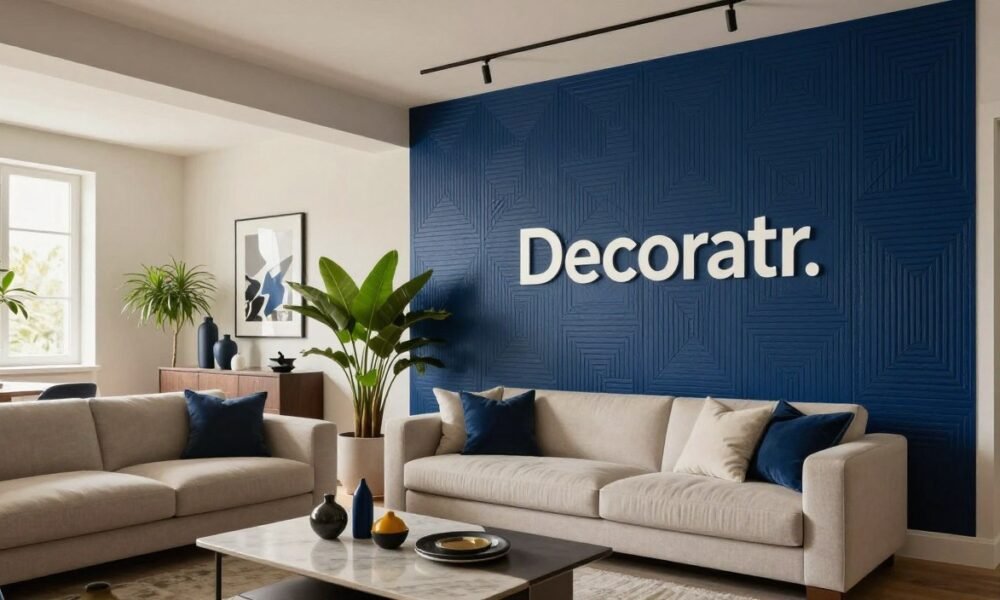
In Indian homes, space is often tight and storage is busy. A focused accent wall can add depth quickly. In small living rooms, it can tie the seating area together. In bedrooms, it frames the headboard and keeps the room calm. In dining areas, it makes meals feel more special without adding clutter.
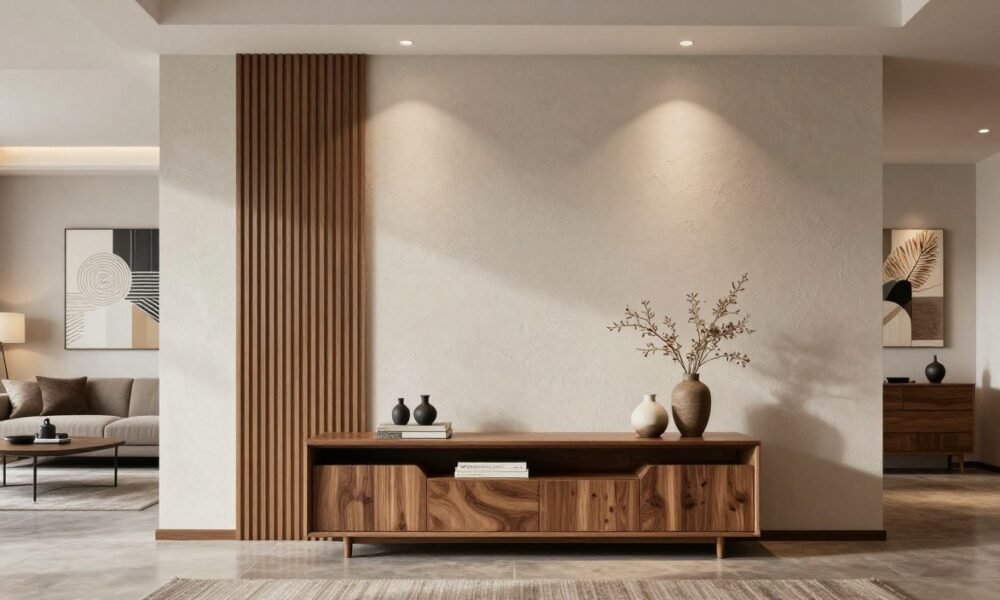
For elegant wall designs, we keep the material story simple. Fluted or slatted panels add rhythm and hide minor wall flaws. Marble- or stone-look laminates can feel premium with subtle patterns and clean edges. Textured plaster effects and selective wallpaper also work well, avoiding loud prints.
Proportion is key to avoid overwhelming smaller rooms. We choose one wall and repeat the color or finish in small touches. The surrounding walls are kept lighter or flatter for balance.
Lighting is a quiet upgrade that makes elegant wall designs look expensive. Wall grazing reveals texture, while warm LEDs flatter earthy palettes and wood tones. For TV walls, we plan for glare control to avoid distractions during evening viewing.
| Accent wall location | What it should do | Finishes that suit Indian homes | Lighting approach | Budget-friendly option |
|---|---|---|---|---|
| Living room TV wall | Create a focal point and hide cables neatly | Slatted MDF panels, matte laminate, microtexture paint | Backlit panel or side sconces to reduce screen glare | Deep solid color + slim surface conduit cover |
| Bedroom bed wall | Frame the headboard and add softness | Upholstered panel strips, subtle wallpaper, limewash look | Warm reading lights with diffusers | Removable wallpaper behind the headboard zone |
| Dining backdrop | Make the table area feel defined and finished | Stone-look laminate, textured plaster, calm mural-style wallpaper | Picture lights or a centered pendant with warm bulbs | Stencil pattern in one color family |
| Entry wall | Set the tone and anchor a console or mirror | Fluted panel strip, matte paint with trim detail | Wall washer or soft cove lighting | Painted arch or color-block panel effect |
Accent walls can deliver impact without a full renovation. They’re perfect for phased upgrades or rentals where we want change without permanent work. Removable wallpaper and peel-and-stick panels let us test elegant wall designs and still keep options open later.
Interior Paint Colors and Finishes for a Polished Look
Choosing interior paint colors is more than picking a shade. It’s about setting the mood, comfort, and upkeep. The best results come from matching color, sheen, and texture to how the room is used.
Color selection basics: undertones, natural light, and room size
Undertones are key, not just the color itself. A beige can lean warm or cool, changing with daylight and LEDs.
Window direction matters too. South and west light makes colors brighter and warmer. North and east light is softer and cooler.
Room size affects color choice. Lighter tones open up small rooms. Deeper shades add intimacy, best for focused areas.
Popular palettes for Indian homes: warm neutrals, earthy tones, jewel accents
Warm neutrals like creamy whites and soft beiges are great bases. They let art and wood stand out without being too busy.
Earthy tones like terracotta and olive work well with Indian woods. Jewel accents like emerald add drama, but use them sparingly.
Finish guide: matte, eggshell, satin, and washable paints
| Finish | Look in modern interior wall design | Best rooms in Indian homes | Cleaning reality |
|---|---|---|---|
| Matte | Soft, low-glare, hides minor wall flaws | Bedrooms, formal living areas, ceilings | Marks can show; gentle wiping only |
| Eggshell | Smooth with a slight glow; balanced | Living rooms, dining rooms, home offices | Lightly washable; good everyday choice |
| Satin | Noticeable sheen; crisp edges and trims | Hallways, kids’ rooms, busy family zones | Wipes clean better; can highlight wall patches |
| Washable paints | Practical finish that keeps color looking fresh | Near dining, switch-heavy walls, entry areas | Handles frequent cleaning with less fade |
Texture options: limewash, stenciling, microcement, and subtle plaster effects
Texture can enhance paint without clutter. Limewash and stenciling offer unique, modern touches.
Microcement is sleek for minimalist spaces. Subtle plaster effects add warmth and are easy to maintain.
We choose based on cleaning habits, humidity, and room activity. This keeps modern interior design polished every day, not just at first.
Elegant Wall Designs with Wall Art for Interiors and Decor Styling
When we plan wall art for interiors, we treat it like a key piece of furniture. Size, height, and breathing room change how the whole wall feels. A well-placed piece looks calm and intentional, not scattered.
In most Indian homes, placement works best when art is anchored to what sits below it. We align the edges with a sofa, console, or headboard to create a clean line. We also watch glare from windows and tube lights so colors don’t wash out at night.
Wall art for interiors: choosing scale, spacing, and placement
We start with scale: a small frame on a large wall can feel lost. For a sofa wall, art that spans about two-thirds the sofa width often reads as balanced. For height, we keep the main focal point near eye level, then adjust for seating.
Spacing matters as much as the art. We keep gaps consistent so the layout feels planned. When we’re unsure, we map the arrangement on the floor first, then transfer it to the wall.
Gallery walls, oversized statement pieces, and triptychs
Gallery walls work when they share a clear thread, like a color story or one frame finish. We like to test the full grid with paper templates before drilling. That step prevents the “busy wall” effect and saves patchwork later.
One oversized statement piece is the fastest route to polish. It reduces choices, adds focus, and makes a room feel taller when centered well. Triptychs bring modern symmetry, which is great above beds or long seating, where the rhythm feels tidy.
| Format | Best fit in Indian homes | Simple rule we follow | Common mistake to avoid |
|---|---|---|---|
| Gallery wall | Staircase walls, hallways, family corners | Keep one unifier: color palette, theme, or frame finish | Mixing too many sizes without a mapped layout |
| Oversized piece | Living room focal wall, dining wall, master bedroom | Center it to the furniture below, not the full wall | Hanging too high, which makes it feel detached |
| Triptych | Above sofas, behind beds, long passages with clear sightlines | Match spacing between panels and keep them level | Uneven gaps that break the clean symmetry |
Creative wall designs using mirrors, metalwork, and mixed media
Creative wall designs don’t have to rely only on frames. Mirrors can bounce daylight in compact apartments and make narrow rooms feel wider. We place them where they reflect light, not clutter.
Metalwork adds refined texture with a crisp finish, and it pairs well with neutral paint. Mixed media—wood with fabric or metal—can echo Indian craftsmanship in a modern way, which is great when we repeat the same material in nearby furniture.
Interior wall decor ideas: shelves, niches, and curated objects without clutter
For interior wall decor ideas that stay easy to live with, we use restraint. Floating shelves look best with negative space, not a packed lineup. A few objects grouped by color or material reads more premium than many small items.
Recessed niches work well for murtis or collectibles, with subtle warm lighting. Fewer, better pieces also make daily cleaning simpler, and they stay aligned even with busy routines. That practicality is what keeps wall art for interiors looking fresh year-round.
Conclusion
Great interior wall design comes from real life, not just trends. We consider traffic flow, daylight, glare, and ventilation first. This ensures walls stay fresh, even with heat, humidity, and daily wear in Indian homes.
Choosing elegant wall designs means keeping them calm and intentional. We avoid making them too busy.
We start with a clear plan: pick one focal point, like an accent wall. The rest supports it. Then, we choose paint color, sheen, and texture that fit your rooms and cleaning needs.
Lastly, we add art, mirrors, shelves, and niches to make the wall look curated, not cluttered. This approach makes choosing interior wall designs faster and more confident.
Want elegant wall designs without trial-and-error? We can help. We guide you in color selection, material choices, and layout. This way, each wall fits your home’s light, room size, and maintenance needs.
The result is interior wall design that looks elevated and is easy to live with.
📞 Call us today to schedule a free consultation
🌐 Website: www.decoratr.in
📧 Email: shailendra.bharadwaj@decoratr.in
📱 WhatsApp: +91-7838900414
FAQ
What counts as interior wall design beyond paint?
Which modern interior wall design trends work best in Indian homes?
How do we choose interior paint colors that won’t look different later?
What paint finish is most practical for daily wear in Indian climates?
Where do accent walls in interiors make the biggest difference?
What are creative wall designs that still stay easy to maintain?
How do we prevent wall textures from looking messy or feeling high-maintenance?
What are the best elegant wall designs for compact apartments?
How should we place wall art for interiors so it looks intentional?
Should we choose a gallery wall, an oversized piece, or a triptych?
What interior wall decor ideas reduce clutter but still feel styled?
What should we prioritize first: full-room walls or a single feature wall?
How do we handle wall design in rentals without permanent changes?
What are common mistakes with interior wall design we should avoid?
How do we make wall upgrades work across living room, bedroom, kitchen, and hallway?

POP False Ceiling.
Your ceiling is the fifth wall of your room. Yet most people ignore its design potential. A beautiful POP false ceiling can.

10 Amazing Office.
Office wall design is more than just decoration—it's a powerful tool that influences workplace atmosphere, productivity, and brand identity. The right wall.