
Wall Panels for Office Interior: Transform Your Workspace in 2026
Wall panels for office interior design have changed how businesses approach their spaces. Companies now skip the paint store entirely. Instead, they choose panels that install quickly and last longer. The result is a professional look that stands the test of time.
This guide walks you through everything about wall panels. You will learn about different panel types. You will discover which materials work best for offices. You will understand installation basics and maintenance needs. Most importantly, you will know how to pick the right wall panel design for your specific space.
+91-783 8900 414
What Are Wall Panels and Why They Matter
Wall panels are flat sections that cover your office walls. They come in various materials like wood, PVC, fabric, or metal. Each panel locks or attaches to create a seamless surface. Unlike paint that needs frequent touch-ups, wall panels maintain their look for years.
Modern offices choose wall panels for several reasons. First, they install faster than traditional methods. A team can complete an entire office in days, not weeks. Second, panels hide imperfections in existing walls. Cracks and uneven surfaces disappear beneath the new panel design.
Benefits of Office Wall Panels
- Quick installation saves time and money
- Superior durability compared to paint
- Easy maintenance and cleaning
- Better sound control in open spaces
- Wide range of design options
- Covers wall imperfections instantly
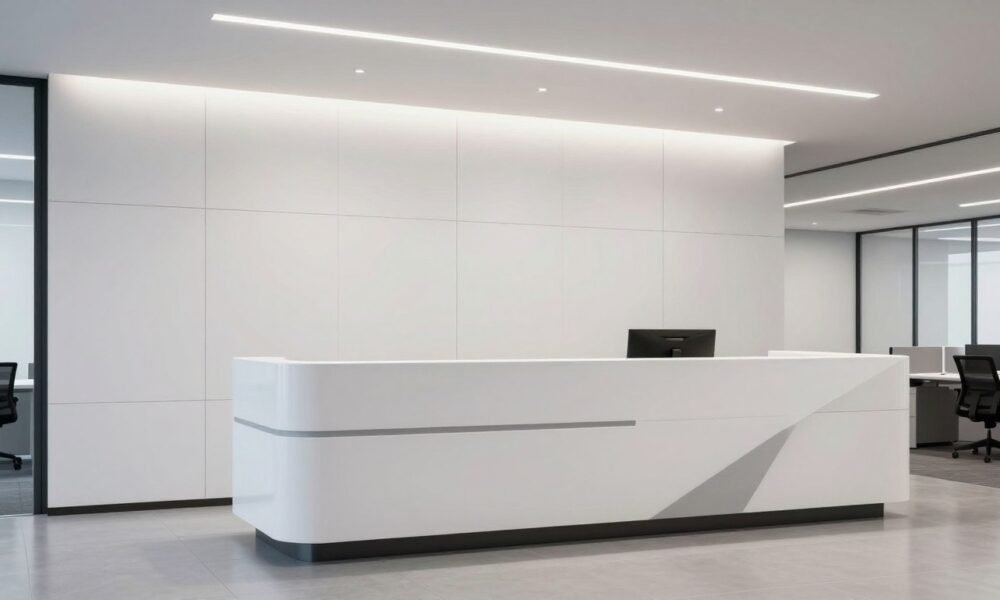
The panel market has grown rapidly. What started as a simple alternative to paint has become a design statement. Today, wall panel designs range from classic wood to futuristic LED-integrated options. This variety helps every office find its unique aesthetic.
15 Popular Wall Panel Types for Office Spaces
Choosing the right wall panel design starts with understanding your options. Different materials serve different purposes. Some excel at sound absorption. Others focus on visual impact. Here are the most popular panel types transforming offices in 2026.
PVC Wall Panels
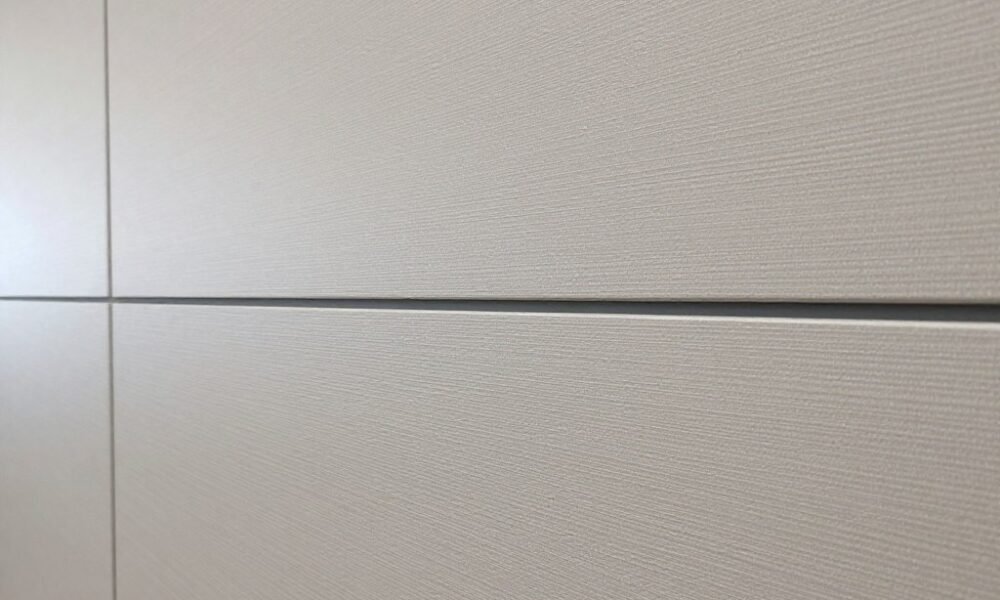
PVC wall panels lead the market for office interiors. These lightweight panels resist moisture and require minimal maintenance. They come in countless finishes that mimic wood, stone, or unique textures. PVC wall panel design options fit almost any budget.
Companies choose PVC for areas that need frequent cleaning. Break rooms and restrooms benefit from water-resistant properties. The installation process is straightforward. Most contractors complete a room in one day.
Acoustic Fabric Wall Panels
Open offices struggle with noise. Acoustic fabric panels solve this problem elegantly. These soft panels absorb sound waves and reduce echo. Conference rooms and meeting spaces need this type of panel design.
Fabric panels come in many colors. They blend functionality with style. Your office wall can reduce noise while looking professional. Many companies add their brand colors to these panels for a custom look.
Wood Wall Panels
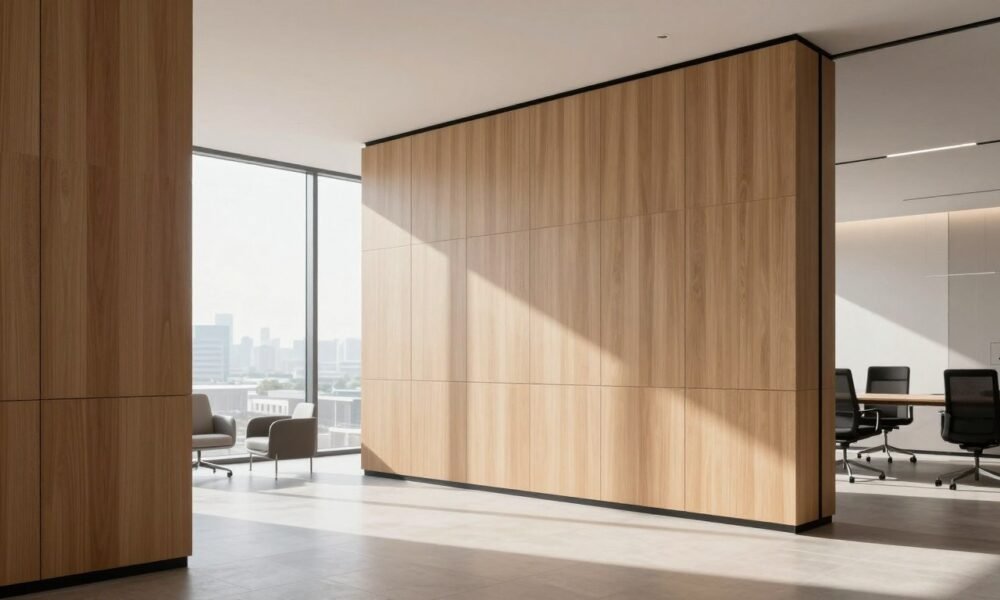
Nothing beats the warmth of natural wood. Wood panels bring elegance to executive offices and boardrooms. They create a sophisticated atmosphere that impresses clients. The grain patterns add depth and character to walls.
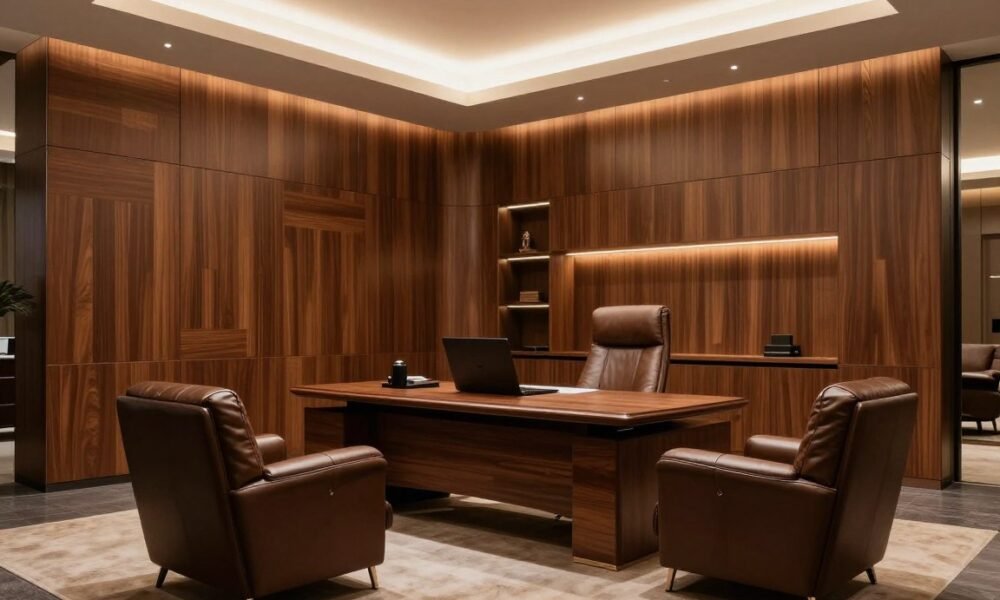
Wood panels require more maintenance than PVC. However, their longevity justifies the investment. Proper care keeps them beautiful for decades. They age gracefully, developing character over time.
Fluted Wall Panels
Fluted panels feature vertical grooves that create visual texture. This panel design adds dimension without overwhelming the space. Reception areas often use fluted panels to make memorable first impressions.
The grooves catch light beautifully. This effect changes throughout the day as natural light shifts. Fluted wall panels work well with modern and traditional office aesthetics. They bring sophistication to any room.
3D Design Wall Panels
Three-dimensional panels create dramatic visual effects. These panels feature geometric patterns that project from the wall surface. They add depth and interest to otherwise plain walls.
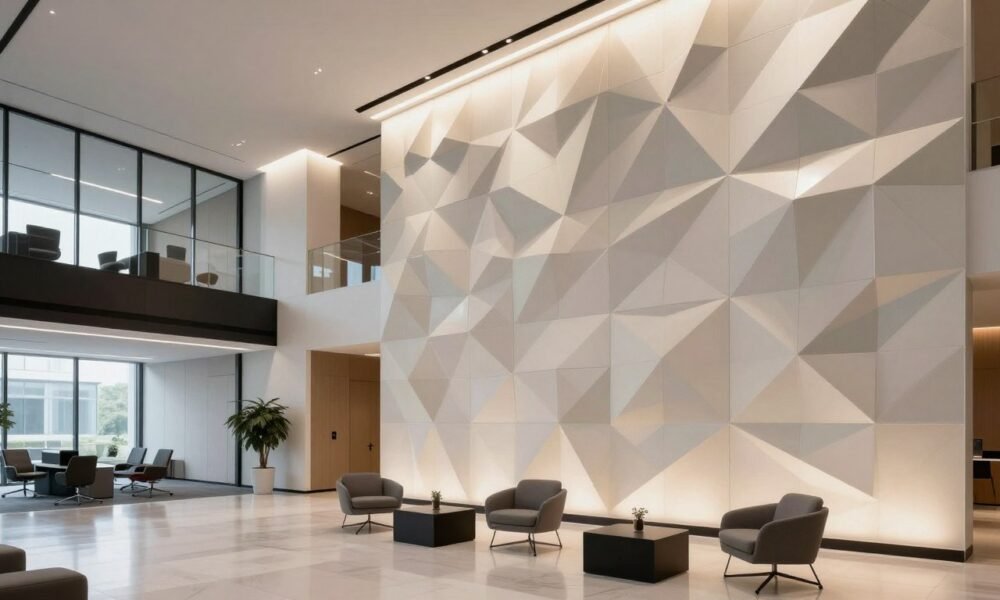
Creative agencies and tech companies favor 3D panel designs. They signal innovation and forward thinking. The patterns work especially well in common areas and break rooms where people gather.
LED Integrated Panels
LED panels combine lighting with wall coverage. Lights integrate directly into the panel design. This creates ambient lighting while defining space. The effect is modern and energy-efficient.
These panels work best in corridors and feature walls. They eliminate the need for separate light fixtures. The integrated approach creates clean lines and contemporary style.
Get Expert Help Choosing the Right Wall Panels
Our design team has transformed hundreds of offices across India. We help you select the perfect wall panel design that matches your budget, style, and functional needs. Get a free consultation today.
Metal Wall Panels
Metal panels project strength and durability. Aluminum and steel options resist damage better than most materials. Executive cabins and high-traffic areas benefit from metal panel designs.
The metallic finish adds a high-end feel. These panels come in brushed, polished, or powder-coated finishes. Each finish creates a different mood and aesthetic for your office wall.
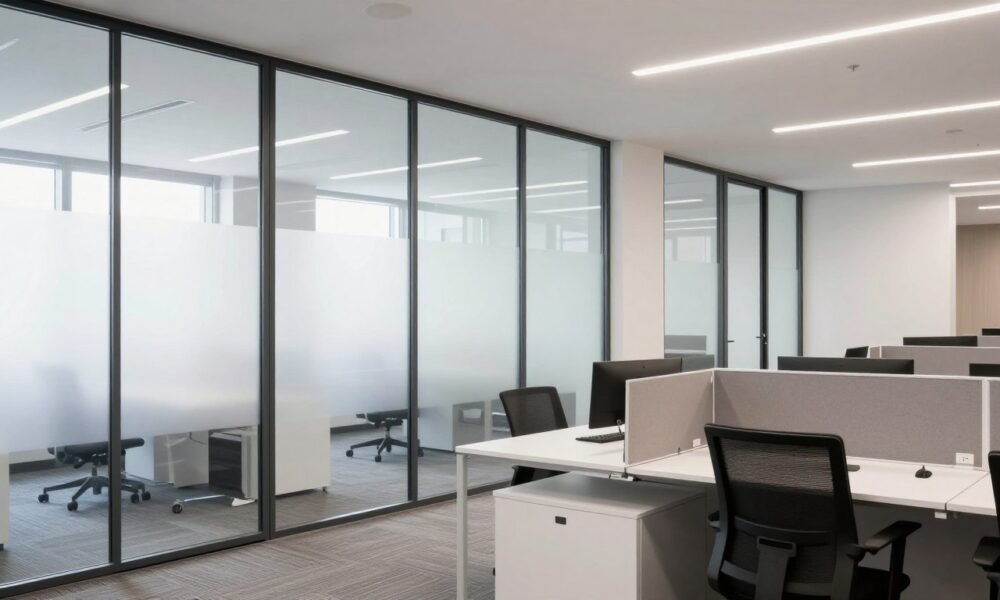
Glass Wall Panels
Glass panels divide space without blocking light. Frosted or tinted glass maintains privacy while keeping rooms bright. This panel design works perfectly for modern open office layouts.
Glass creates an airy feel. Small offices appear larger when glass panels replace solid walls. The transparency promotes collaboration while defining distinct zones.
Sustainable Bamboo Panels
Eco-conscious companies choose bamboo for wall panels. This fast-growing material renews quickly. Bamboo panels offer the beauty of wood with better environmental credentials.
The natural grain patterns vary from piece to piece. This creates unique character in every installation. Bamboo resists moisture better than traditional wood. It works well in various office environments.
Stone-Textured Panels
These lightweight panels mimic natural stone appearance. They deliver the look of marble or granite without the weight. Stone-textured wall panel designs add luxury without structural concerns.
The texture feels realistic to the touch. These panels work beautifully in lobbies and executive areas. They create an upscale atmosphere that impresses visitors immediately.
Laminated Panels
Laminated panels combine durability with design flexibility. The laminate surface resists scratches and stains. These panels maintain their appearance through years of daily use.
Maintenance is minimal. A simple wipe removes most marks and dirt. This makes laminated wall panels ideal for high-traffic office areas that need to look pristine.
Wainscoting Panels
Wainscoting brings traditional elegance to modern offices. These panels typically cover the lower portion of walls. The design creates a classic look that never goes out of style.
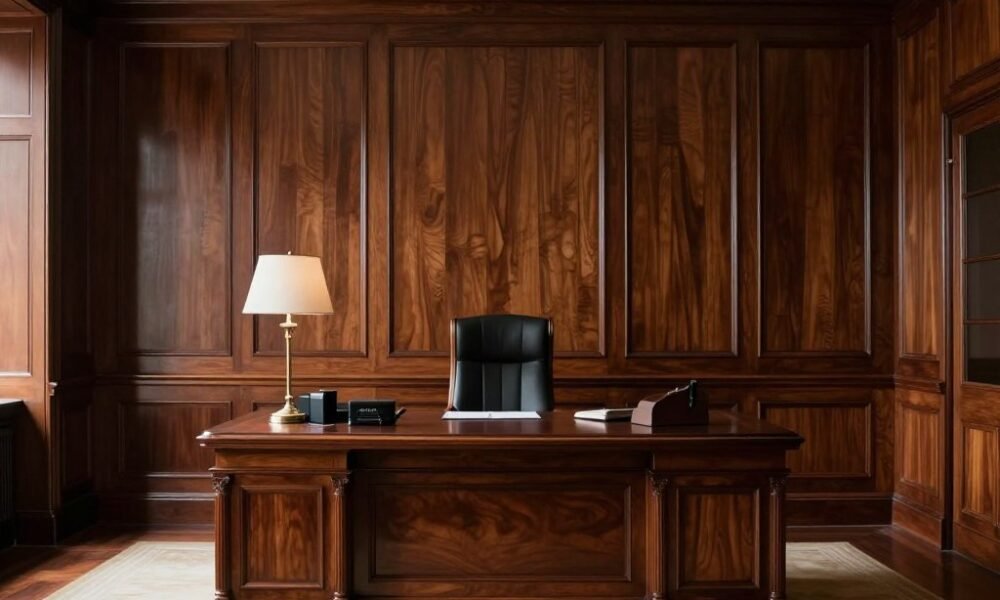
Law firms and financial offices often choose wainscoting. The style projects stability and professionalism. Modern variations adapt this traditional panel design for contemporary spaces.
Perforated Acoustic Panels
Small holes perforate these panels to enhance sound absorption. Recording studios and call centers need this level of acoustic control. The perforations work invisibly while dramatically improving sound quality.
These panels reduce echo more effectively than solid acoustic options. The pattern of perforations can create interesting visual designs. Function meets form in this innovative panel type.
Concrete Texture Panels
Industrial-style offices embrace concrete-textured panels. These panels deliver the urban aesthetic without actual concrete weight. The raw, unfinished look appeals to creative businesses and startups.
The texture adds character to modern spaces. These wall panels pair well with exposed ductwork and metal fixtures. The industrial vibe creates an energetic, no-nonsense atmosphere.
MDF Panels
Medium-density fiberboard panels offer budget-friendly versatility. MDF panels take paint and finishes exceptionally well. They provide a smooth surface for any design vision.
These panels work for offices watching costs carefully. The material is easy to work with during installation. MDF wall panel designs deliver professional results without premium pricing.
How to Choose the Perfect Wall Panels for Your Office
Selecting wall panels involves balancing several factors. Your choice affects both appearance and function. The right panel design improves your workspace. The wrong choice wastes money and creates problems. Follow this systematic approach to make the best decision.
Assess Your Office Needs First
Start by defining what your office requires. Different spaces have different demands. A conference room needs sound control. A reception area prioritizes visual impact. A break room requires easy cleaning.
Key Questions to Answer
- How much foot traffic does the area receive?
- Do you need sound absorption?
- What impression should the space create?
- How often will cleaning occur?
- What is your budget range?
- Do you have existing wall issues?
Pro Tip: Walk through your office and note problem areas. Identify walls that need special attention. Consider both current issues and future needs when selecting wall panel designs.
Match Materials to Function
Each material excels in specific situations. PVC wall panels handle moisture and frequent cleaning. Acoustic fabric panels control sound in open layouts. Wood panels create executive presence. Match the material to the room purpose.

High-traffic corridors need durable wall panels. Client-facing areas demand impressive aesthetics. Work zones require functionality over flash. List your priorities before comparing panel types.
Consider Your Design Aesthetic
Wall panels should complement your overall office design. Modern offices lean toward sleek materials like glass or metal. Traditional businesses prefer wood or wainscoting. Your brand identity should guide these choices.
Color schemes matter significantly. Neutral tones create calm environments. Bold colors energize creative spaces. Texture adds depth without overwhelming the senses. Review design ideas that align with your company culture.
Budget Planning
Wall panel costs vary dramatically. PVC wall panels offer affordability. Premium wood or glass panels require larger investments. However, consider long-term value beyond initial cost.
| Panel Type | Cost Range | Durability | Maintenance | Best For |
| PVC Panels | Budget-Friendly | High | Low | All areas, especially wet zones |
| Fabric Acoustic | Moderate | Medium | Medium | Meeting rooms, open offices |
| Wood Panels | Premium | Very High | Medium-High | Executive areas, boardrooms |
| Metal Panels | Moderate-Premium | Very High | Low | Modern offices, high-traffic zones |
| Glass Panels | Premium | High | Medium | Dividers, modern layouts |
Cheaper panels that need frequent replacement cost more long-term. Quality wall panel designs justify higher upfront costs through durability. Calculate total cost over five to ten years for accurate comparisons.
Installation Complexity
Some panels install easily. Others require professional expertise. PVC wall panels typically feature DIY-friendly installation. Heavy materials like wood or stone textures need experienced installers.
Factor installation time into your decision. Quick installation means less business disruption. Complex wall panel work might require temporary space closures. Plan accordingly to minimize impact on operations.
Wall Panel Installation: What to Expect
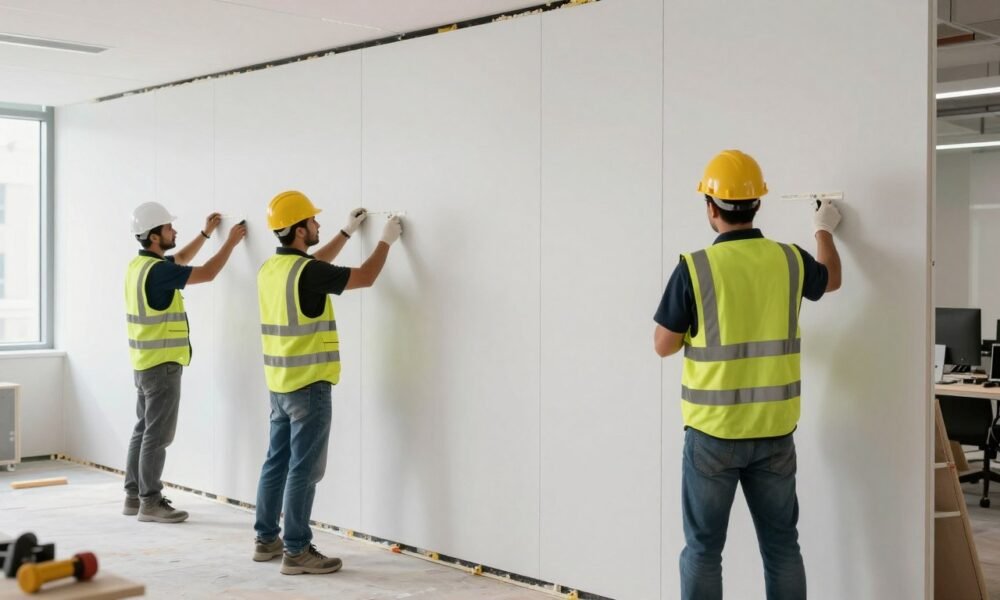
Understanding the installation process helps you prepare properly. Professional installation ensures your wall panels look perfect and last longer. Here is what happens during a typical office wall panel installation project.
Pre-Installation Preparation
Preparation determines installation success. Contractors first assess your existing walls. They identify any damage or irregularities. Uneven surfaces may need correction before panel installation begins.
The team measures each wall carefully. Accurate measurements prevent waste and ensure proper fit. They calculate exactly how many panels your office wall requires. This precision keeps projects on budget and schedule.
Wall Surface Preparation
Clean walls are essential. Installers remove old paint, wallpaper, or loose material. The surface must be smooth and stable. Any remaining imperfections could affect panel adhesion or appearance.
Sometimes a framework is necessary. Wooden or metal frames create a stable mounting surface. This step is especially important for heavy wall panel designs. The framework ensures panels stay secure for years.
Panel Cutting and Fitting
Panels rarely fit perfectly as delivered. Installers cut each piece to exact specifications. They account for outlets, switches, and other wall features. Precision cutting ensures seamless panel design integration.
Test fitting happens before permanent attachment. This step catches potential issues early. Adjustments are easier before adhesive is applied. Professional installers take time to verify everything aligns correctly.
Installation Methods
Installation techniques vary by panel type. PVC wall panels often use strong adhesives. Wood panels might require both glue and mechanical fasteners. The installer selects methods appropriate for your specific wall panel material.
- Apply adhesive evenly to panel backs or wall surface
- Position panels carefully, starting from a corner or reference point
- Press firmly to ensure complete contact and bonding
- Check level and alignment before adhesive sets
- Install subsequent panels, maintaining consistent gaps
- Trim edges and corners for perfect fit
- Seal joints and seams as needed
- Install trim pieces and finishing touches
Each panel must align with its neighbors. Gaps should be consistent throughout. Professional installers use spacers and levels constantly. This attention to detail creates the polished look that defines quality wall panel work.
Finishing Touches
After main installation, finishing work begins. Installers seal gaps between panels. They install edge trim and corner pieces. These details prevent moisture infiltration and complete the professional appearance.
Electrical outlets and switches need special attention. Panels must fit around these fixtures perfectly. Professional installers cut precise openings that look factory-made. The final result appears seamless and intentional.
Timeline Expectations
Installation speed depends on project scope. A single office wall might take one day. Entire office renovations require several days or weeks. Complex wall panel designs need more time than simple installations.
Weather and humidity affect some materials. Wood panels need stable conditions during installation. PVC wall panels tolerate temperature variations better. Your contractor will schedule work considering these factors.
Maintaining Your Office Wall Panels
Proper maintenance keeps wall panels looking new for years. Different materials need different care approaches. Understanding these requirements helps you protect your investment. Regular maintenance prevents costly repairs or replacements.
Daily and Weekly Care
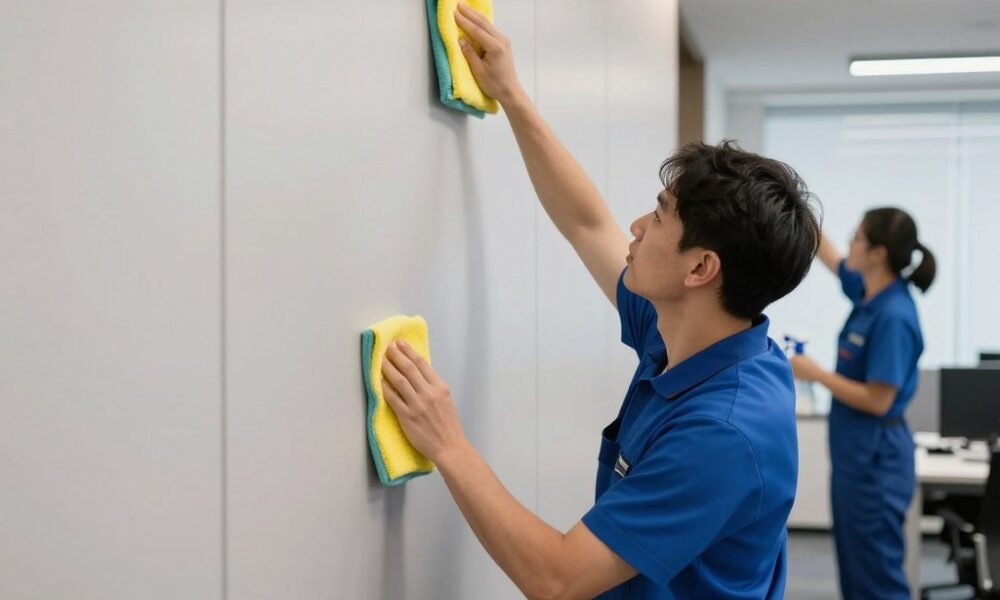
Most wall panels need minimal daily attention. Dust regularly with a soft cloth or duster. This prevents buildup that can dull the finish. Fabric panels benefit from gentle vacuuming weekly.
Address spills immediately. Quick cleanup prevents stains from setting. Use appropriate cleaners for your specific panel material. Always test cleaning products in hidden areas first.
Material-Specific Maintenance
PVC wall panels require little maintenance. Wipe them with damp cloths and mild detergent. Avoid abrasive cleaners that could scratch the surface. The water resistance of PVC makes cleaning easy in any office environment.
Wood panels need more careful attention. Use cleaners specifically formulated for wood. Polish occasionally to maintain luster. Monitor for signs of moisture damage or warping. Address issues promptly to prevent spreading problems.
Fabric acoustic panels collect dust more readily. Vacuum them gently using upholstery attachments. Professional cleaning services handle deep cleaning when needed. Regular care maintains both appearance and acoustic performance.
Long-Term Protection
Protect panels from direct sunlight when possible. UV rays fade colors over time. Window treatments help preserve your wall panel design. This is especially important for fabric and wood materials.
Control humidity levels in your office. Excessive moisture damages many panel types. Good ventilation prevents moisture accumulation. This simple step extends panel life significantly.
Current Design Trends in Office Wall Panels
Wall panel design evolves with office culture. Today’s trends reflect how we work and what we value. Understanding these trends helps you create a modern, relevant workspace. Your office wall can embody contemporary style while remaining functional.
Biophilic Design Integration
Nature-inspired panels are gaining popularity. Biophilic wall panels incorporate plant life or natural imagery. Some feature actual living plants in panel structures. Others use nature-themed textures and patterns.
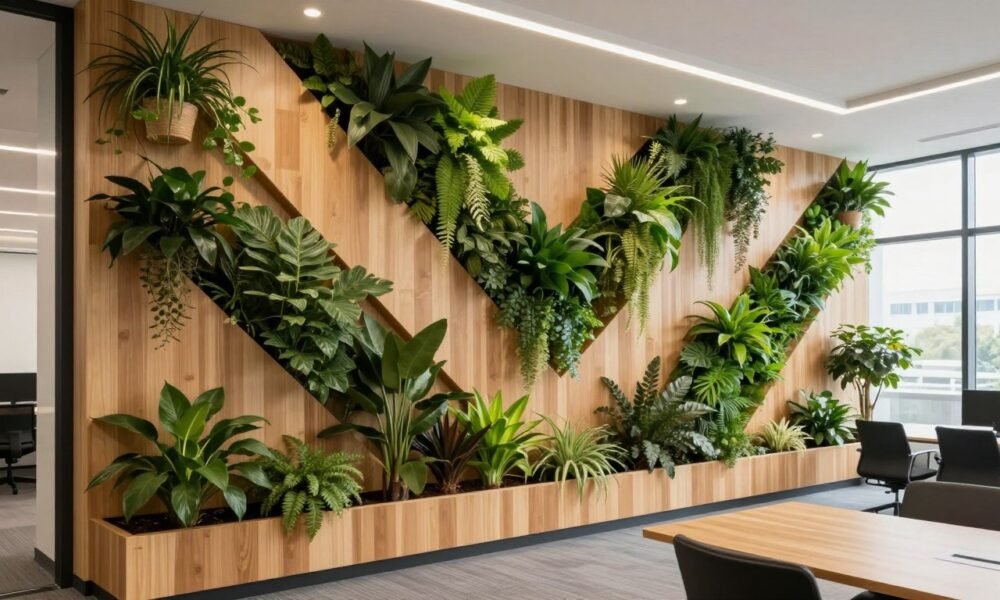
This trend connects office workers with nature. Studies show biophilic design reduces stress. It improves productivity and overall wellbeing. Companies investing in people choose these innovative panel designs.
Multi-Texture Combinations
Mixing materials creates visual interest. Modern offices combine wood with metal. They pair smooth surfaces with textured wall panels. These combinations add depth without overwhelming spaces.
The key is balance. Too many textures create chaos. Strategic mixing creates sophistication. Professional designers plan these combinations carefully. The result is a dynamic yet cohesive office aesthetic.
Sustainable Materials
Environmental consciousness drives material choices. Recycled and renewable materials are in demand. Bamboo panels and reclaimed wood gain market share. Companies want their office wall to reflect environmental values.
Sustainable choices no longer mean sacrificing style. Today’s eco-friendly panels match traditional materials in appearance. They often exceed them in durability. This trend continues growing as awareness increases.
Smart Panel Technology
Technology integration defines modern panel design. LED lights embed in panels for mood lighting. Some panels include sound masking technology. Others feature integrated charging ports or display capabilities.
These smart panels serve multiple functions. They reduce clutter by eliminating separate devices. The integration creates cleaner lines and more flexible spaces. Technology-forward companies embrace these innovations enthusiastically.
Common Mistakes to Avoid When Installing Wall Panels
Even with quality materials, mistakes can undermine your project. Learning from others’ errors saves time and money. Here are the most common pitfalls in office wall panel projects and how to avoid them.
Best Practices
- Hire experienced installers for complex materials
- Measure multiple times before cutting panels
- Allow materials to acclimate to room temperature
- Plan for future access to utilities behind panels
- Choose appropriate adhesives for your panel type
- Consider acoustics when selecting materials
Mistakes to Avoid
- Skipping proper wall preparation
- Choosing style over function
- Ignoring moisture issues before installation
- Using incompatible adhesives or fasteners
- Rushing installation to meet deadlines
- Neglecting maintenance requirements
Inadequate Planning
Many projects fail due to poor planning. Rushing into installation without proper assessment causes problems. Take time to evaluate your needs thoroughly. Consider how each room functions. Think about future changes your office might need.
Create detailed plans before purchasing materials. Account for every wall, outlet, and fixture. This planning prevents material shortages and costly delays. Professional installers provide planning assistance as part of their service.
Ignoring Professional Advice
DIY enthusiasm sometimes overrides common sense. Some wall panel installations truly need professional expertise. Complex materials or large projects exceed amateur capabilities. Knowing your limits prevents expensive mistakes.
Professional installers bring experience you cannot match. They foresee problems before they occur. Their work comes with guarantees and quality assurance. The cost of professional installation often proves worthwhile.
Understanding Wall Panel Costs and ROI
Budget considerations influence every business decision. Wall panel investments should demonstrate clear value. Understanding costs helps you allocate resources wisely. Smart choices deliver maximum impact within your budget.
Initial Investment Breakdown
Total costs include more than material prices. Professional installation adds significantly to budgets. Preparation work like wall repair increases expenses. Factor in all elements when planning your office wall project.
Material Costs
- Panel purchase price per square foot
- Adhesives and fasteners
- Trim and finishing pieces
- Extra materials for waste allowance
Labor Costs
- Professional installation fees
- Wall preparation work
- Removal of existing materials
- Cleanup and disposal services
Additional Costs
- Design consultation fees
- Electrical work for outlets
- Custom color or finishing
- Extended warranty options
Request detailed quotes from multiple contractors. Compare what each quote includes. Some low bids exclude essential services. Understanding inclusions prevents budget surprises later.
Long-Term Value
Quality wall panels deliver returns beyond appearance. They reduce maintenance costs compared to paint. Energy-efficient panels lower heating and cooling expenses. Sound-absorbing panels improve productivity by reducing distractions.
Calculate your return on investment over time. Durable panels avoid frequent replacement costs. Enhanced office aesthetics can improve employee retention. Impressive spaces help recruit top talent. These benefits justify higher initial investments.
Budget-Friendly Options
Limited budgets need not prevent panel installation. PVC wall panels deliver professional results economically. Phased installation spreads costs over time. Start with high-impact areas like reception or conference rooms.
Mixing materials strategically controls costs. Use premium panels in visible areas. Choose economical options for back offices. This approach maximizes visual impact while respecting budget constraints.
Why Professional Installation Matters
Professional installation separates average results from exceptional outcomes. Experienced installers bring skills developed over years. They understand materials deeply. They anticipate and solve problems efficiently. This expertise proves invaluable for office wall projects.

Expertise and Experience
Professional installers have completed hundreds of projects. They know which techniques work best for each material. They understand how different panels react to conditions. This knowledge prevents mistakes that cost time and money.
Experienced teams work efficiently. They complete installations faster than DIY attempts. Their speed minimizes business disruption. Professional efficiency often offsets their service fees through reduced downtime.
Quality Guarantee
Reputable installers stand behind their work. They offer warranties on both materials and labor. This protection gives you peace of mind. If problems occur, professionals return to make corrections.
DIY mistakes lack this safety net. Errors become your responsibility to fix. The cost of correcting amateur work often exceeds professional installation fees. Quality assurance justifies the professional approach.
Access to Better Materials
Professional contractors source materials at better prices. They maintain relationships with suppliers. These connections provide access to wider selections. You benefit from their industry knowledge and purchasing power.
Professionals also stay current with new products. They know which wall panel designs perform best. They understand emerging trends and technologies. This insight helps you make informed decisions for your office wall.
Transform Your Office with Expert Wall Panel Design
Partner with India’s leading office interior specialists. We provide complete solutions from design consultation to professional installation. Our team has transformed over 500 offices across major Indian cities. Get your free consultation and cost estimate today.
Wall Panel Selection for Indian Office Environments
India’s climate and conditions require special consideration. Panels that work elsewhere may fail here. Understanding regional factors helps you choose appropriate materials. Your wall panel design must suit local conditions for lasting success.
Climate Considerations
India’s varied climate challenges wall panels. High humidity in coastal areas affects material choice. Extreme heat in northern regions requires different solutions. Monsoon conditions demand water resistance.
PVC wall panels excel in humid environments. They resist moisture damage that destroys other materials. Coastal offices benefit particularly from PVC’s water-resistant properties. The material maintains its appearance despite challenging conditions.
Local Material Availability
Sourcing affects both cost and timing. Materials readily available in India cost less than imported options. Local suppliers provide faster delivery and better support. Consider availability when selecting panel types.
Indian manufacturers now produce high-quality panels locally. These products match international standards while offering better prices. Supporting local industry often proves more practical than importing materials.
Cultural and Aesthetic Preferences
Indian office design often blends traditional and modern elements. Wall panels should respect this cultural context. Some businesses prefer warmer colors reflecting local tastes. Others choose neutral palettes for international appeal.
Consider your client base when planning design. Businesses serving Indian markets might choose culturally resonant designs. Companies with global clients may prefer universal aesthetics. Your wall panel design should align with business positioning.
Creating Your Perfect Office with Wall Panels
Wall panels transform ordinary offices into inspiring workspaces. They combine beauty with functionality. Whether you choose PVC wall panels for practicality or wood for elegance, the right selection elevates your environment.
This comprehensive guide covered everything from material types to installation processes. You learned about maintenance requirements and design trends. You discovered how to avoid common mistakes and maximize your investment.
The next step is action. Evaluate your office needs carefully. Consider which panel design best serves your goals. Think about budget, timeline, and desired outcomes. Then connect with experienced professionals who can bring your vision to life.
Quality wall panel installations require expertise and planning. Professional guidance ensures your project succeeds. The right team handles complexities while you focus on your business. Their experience prevents costly mistakes and delivers results that last.
Your office wall speaks volumes about your company. Make sure it tells the right story. Modern wall panels offer unlimited possibilities for creating spaces that inspire, impress, and perform. Invest in quality materials and professional installation. The results will serve your business for years to come.
Get Your Free Office Design Consultation
Ready to transform your office with professional wall panel design? Our expert team is here to help. We offer free consultations to discuss your project needs, budget, and timeline. Fill out the form below or call us directly.
Read More:
LinkedIn Company Page: https://www.linkedin.com/company/decoratr
Instagram: https://www.instagram.com/godecoratr/

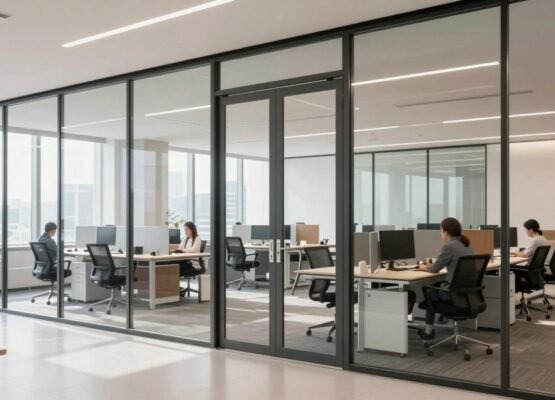
Office Glass Door.
The right office glass door design can dramatically transform a workspace, creating an atmosphere of openness while maintaining functionality. Glass doors have.
Designing Offices for.
Designing Offices for Startups: When launching a startup, your office design is more than just an aesthetic decision — it's a reflection.